Pet Fair Asia 2026: Asia-Pacific Pet Industry Flagship Show Report
Shanghai New International Expo Centre · 19–23 August 2026
1. Executive Summary
Pet Fair Asia 2026 returned to Shanghai as the undisputed flagship trade platform for the pet industry in Asia-Pacific. Spanning five days from 19 to 23 August 2026, the 28th edition occupied the entire Shanghai New International Expo Centre, delivering 320,000 square metres of gross exhibition space and welcoming more than 2,600 exhibitors from over 40 countries and regions. The show drew approximately 130,000 industry professionals during the first three trade-only days and close to 390,000 consumers during the public weekend, reinforcing its position as the largest pet exhibition in the region and one of the most influential globally.
For GlobalPetIndex, the 2026 edition was a strategic opportunity to map the competitive landscape, identify emerging brands, and validate category trends. This report synthesises on-the-ground observations, official exhibitor data, booth-level photography, and market intelligence into a single narrative. It highlights the sectors that are reshaping the industry—premium pet food, functional treats, smart devices, cat litter innovation, professional cleaning and grooming, and veterinary healthcare—and translates them into actionable insights for B2B buyers, distributors, and investors.
The headline takeaway is clear: the Chinese pet market is no longer a low-cost, me-too playground. It has matured into a quality-driven, science-backed, and digitally integrated ecosystem where domestic champions such as Myfoodie, Rosy Fresh, PETKIT, Homerun, and CATLINK now compete head-to-head with international icons including Royal Canin, ZIWI Peak, Orijen, and Zoetis. Understanding who is winning share, and why, is essential for any stakeholder planning to enter or expand in Asia.
Three structural shifts defined the 2026 edition. First, the centre of gravity moved from manufacturing scale to brand equity: exhibitors invested heavily in stand theatre, packaging design, and storytelling rather than simply displaying unit capacity. Second, the show functioned as a live content studio. Thousands of live-streaming sessions ran continuously from booths, turning the exhibition floor into a parallel e-commerce engine that converted attention into same-day sales. Third, the boundary between pet care, human lifestyle, and home hygiene dissolved. Products were increasingly designed for shared living spaces, social-media aesthetics, and human-grade safety expectations, expanding the addressable value of every category.
Read together, these shifts signal an industry approaching maturity. Growth is no longer guaranteed by rising pet population alone; it is earned through differentiation, trust, and operational excellence. The brands that thrived at Pet Fair Asia 2026 shared a common profile: a clear positioning, a defensible supply chain, credible science, and a native command of digital channels. For GlobalPetIndex partners, this report is both a map of the current competitive set and a forecast of where margin, risk, and opportunity will concentrate over the next 24 months.
It is worth stating the implication plainly. For the better part of a decade, the default assumption about the Chinese pet market was that it would simply replicate Western category structures at lower price points. The 2026 show invalidates that assumption. Domestic brands are not copying; they are competing on the same terms—and in smart devices and live-commerce integration, they are setting the pace. International brands that arrive expecting an easy premium arbitrage will be disappointed; those that bring genuine science, localised storytelling, and channel partnership will still find enormous opportunity. The remainder of this report documents, category by category, where that opportunity is largest and where the competitive wall is highest.
2. Show Overview and Numbers
Pet Fair Asia 2026 was structured across three interconnected zone clusters: the W halls (W1–W11), the N halls (N1–N5), and the E halls (E1–E8), supplemented by an outdoor activation area. Each cluster carried a distinct category identity. N1 and N2 hosted the largest concentration of pet food, freeze-dried nutrition, and fresh-food brands; N3 and N4 were dominated by veterinary medicine, medical devices, nutritional supplements, and hospital chains; N5 served as the import premium pavilion for global brands. W1–W3 focused on grooming, cleaning, apparel, travel gear, toys, and cat litter; W4 and W5 were dedicated to domestic pet food, snacks, and healthcare; while W7–W11 housed the supply-chain pavilions covering OEM/ODM, packaging machinery, ingredients, and additives. E1 and E2 emerged as the smart-device and future-living zone, and E3–E8 presented cat shows, dog competitions, small-animal and aquarium exhibits, and cross-border service providers.
The scale was reflected in the numbers. Over 2,600 exhibitors occupied 17 full halls plus ten supply-chain halls and one outdoor area. The concurrent conference programme included the 15th International Pet Industry Summit, the Asia Pet Healthcare & Food Summit, the Asia Pet Hospital Management Conference, the PFA Supply Chain Conference, and the Pet Industry Global Export Forum. More than 1,000 key opinion leaders and live-streamers participated, generating over 1.7 billion topic views on social platforms. These figures confirm that Pet Fair Asia is no longer simply a sales event; it is a calendar-defining media and thought-leadership platform.
Geographically, the exhibitor base reflected China's industrial map. The Yangtze River Delta and Pearl River Delta supplied the bulk of manufacturing and branded exhibitors, while a growing contingent came from Shandong, Sichuan, and Hebei, where ingredient and OEM capacity is consolidating. International participation was led by Thailand, the United States, Germany, Japan, New Zealand, and Australia, with national pavilions showcasing premium nutrition and veterinary science. The import premium hall (N5) remained the clearest indicator of which global brands treat China as a strategic, rather than opportunistic, market.
Attendance composition also shifted. Trade visitors—distributors, retailers, veterinarians, groomers, and e-commerce operators—arrived in force during the first three days, while the weekend public days drew families and younger pet owners who treated the show as a leisure destination. This dual audience is now a permanent feature of the event and explains why so many booths were engineered for both B2B negotiation and B2C spectacle. For GlobalPetIndex, the trade days provided the richest intelligence; the public days confirmed which consumer brands had achieved genuine cultural resonance.
The show's calendar position also matters. Held in late August, Pet Fair Asia sits at the strategic pivot between the summer selling season and the autumn-winter procurement cycle, making it the natural venue for brands to launch next-year ranges and for buyers to lock in annual contracts. This timing reinforces its role as both a launchpad and a negotiating table, and it explains why the conference programme leans heavily toward forward-looking themes—export strategy, regulation, and channel evolution—rather than retrospective celebration. For partners planning their annual calendar, the lesson is to treat the weeks surrounding the show as a decision window, not an isolated event.
3. Pet Food: From Volume to Value
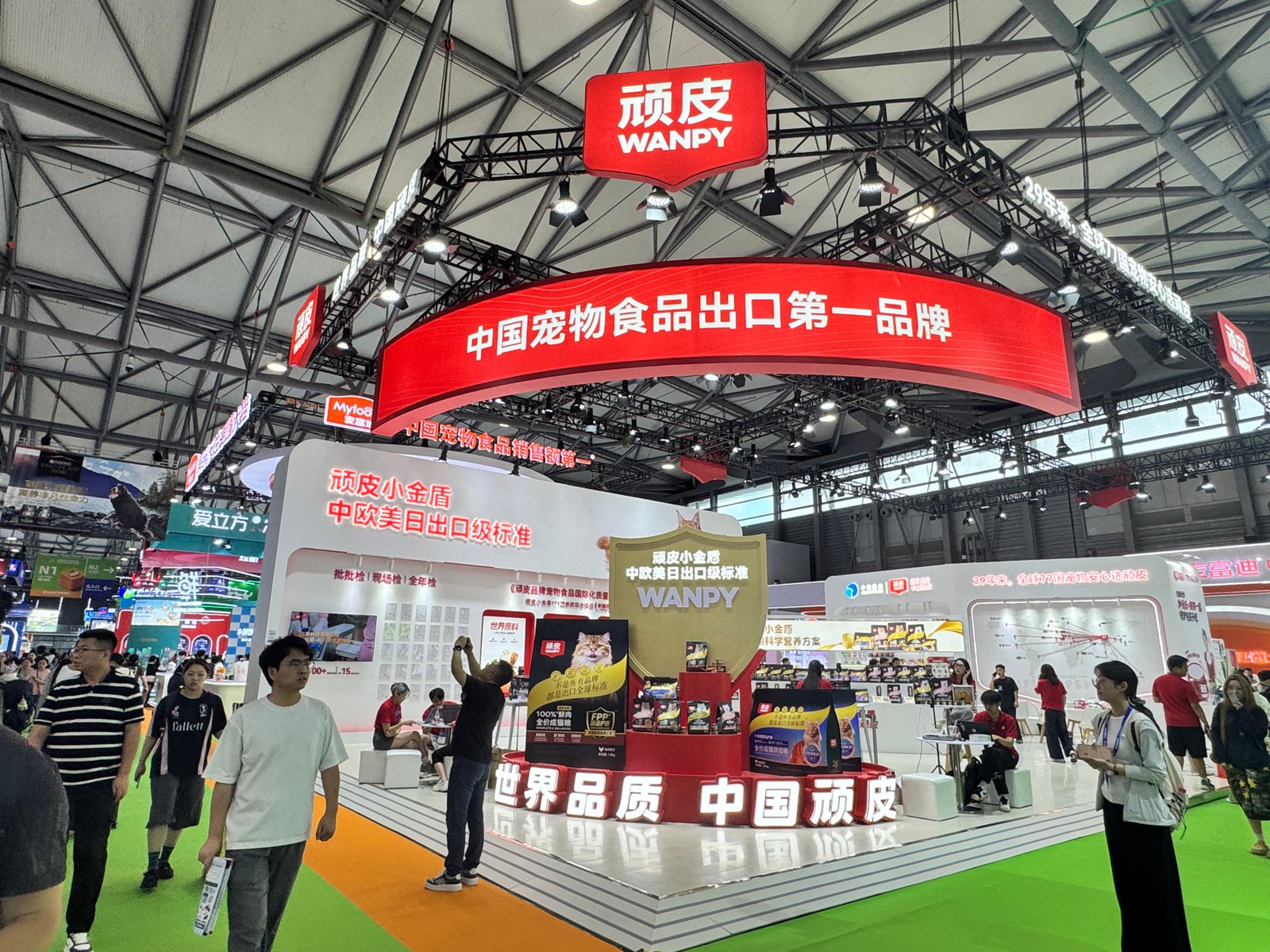
Pet food remained the single largest revenue category at the show, but the dominant story was premiumisation. Booth after booth in N1, N2, W4, and W5 promoted high-meat, grain-free, low-carbohydrate, cold-pressed, baked, freeze-dried, and fresh formulas. Brands such as Rosy Fresh (鲜朗) openly positioned themselves as the market leader in baked pet food, while Myfoodie (麦富迪) leveraged its parent company Gambol's manufacturing scale to showcase a portfolio spanning economy to super-premium. Imported premium brands—Orijen, Acana, ZIWI Peak, K9 Natural, Canidae, and Natural Balance—were concentrated in N5, signalling that the import channel still commands significant prestige among affluent Chinese pet owners.
Several formulation themes recurred. First, single-source and novel proteins—pigeon, quail, rabbit, and duck—were widely used to differentiate recipes and address allergy concerns. Second, functional claims moved from marketing slogans to science-backed positioning: digestive health, urinary care, joint support, skin and coat, weight management, and oral care. Third, packaging shifted toward single-serve pouches, freshness-lock bags, and transparent ingredient callouts to meet the expectations of younger, digitally native consumers. Finally, domestic brands demonstrated increasing confidence in exporting, with several exhibitors displaying English-language packaging and overseas certifications.
From a channel perspective, the boundary between trade and consumer continued to blur. Many brands used the show as a live-streaming studio, offering show-only discounts and sampling programmes that drove same-day e-commerce conversions. This 'trade show as content studio' model is now standard in China and is something international brands must master to remain competitive.
A closer reading of the floor revealed a bifurcation within premiumisation. At the top, fresh and refrigerated formats—chilled gently-cooked meals and raw-coated kibble—targeted the most affluent urban households and commanded the highest margins. In the middle, baked and air-dried formats balanced price and perceived quality, making them the volume engines of domestic champions. At the entry level, private-label and OEM products kept prices accessible while quietly adopting the visual language of premium brands. The risk for buyers is assortment fatigue: with hundreds of near-identical high-meat recipes on offer, differentiation now depends less on the formula itself and more on brand trust, supply reliability, and marketing firepower. GlobalPetIndex's guidance to partners is to curate a tight portfolio weighted toward brands with verifiable sourcing and a track record of retail velocity, rather than chasing every new SKU.
4. Pet Treats and Functional Snacks
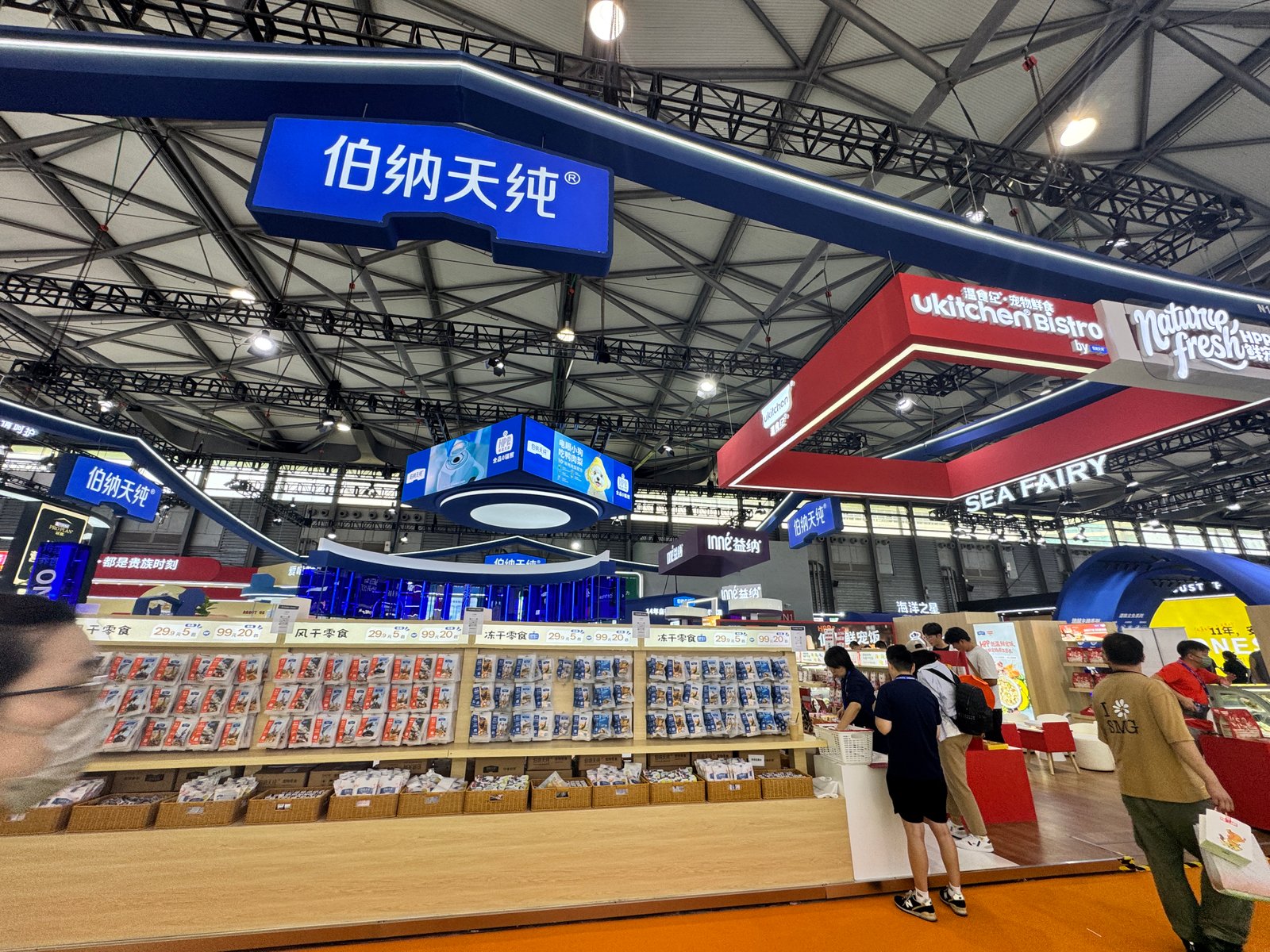
If pet food is the engine of the industry, treats are the emotional connection point between brands and pet owners. The 2026 show floor confirmed that treats are being repositioned from indulgence to functional nutrition. Freeze-dried meats, air-dried strips, dental chews, hairball-control pastes, probiotic yoghurt cups, and collagen-rich broths filled the aisles. Brands such as RANOVA (朗诺), PET-EVER (生生不息), AILIFANG (爱立方), and PartnerPet (帕特) built large, experiential booths around freeze-dried and raw nutrition concepts.
Texture and format innovation was another standout trend. Squeezable purées, creamy cups, lickable tubes, and jerky slices were designed to serve as rewards, meal toppers, and hydration aids. Dental function remained a major claim, with multiple brands launching triple-enzyme chews and textured shapes intended to reduce plaque. What distinguishes the current generation of treat brands is their willingness to publish ingredient sourcing stories, third-party testing results, and feeding guidelines—an approach that builds trust in a market still recovering from past food-safety scandals.
For distributors, the treat segment offers high margins and high purchase frequency, but also SKU complexity. Winners will be those who can curate a tight assortment of proven performers while using storytelling and sampling to convert trial into repeat purchases.
The treat category also proved to be the most export-friendly segment for Chinese manufacturers. Lightweight, shelf-stable, and culturally universal, freeze-dried treats travel well and face fewer regulatory hurdles than complete diets. Several exhibitors reported double-digit overseas growth, with North America and Europe as the leading destinations and Southeast Asia as the fastest-rising frontier. For GlobalPetIndex's B2B wholesale partners, treats represent the lowest-friction entry point into private-label and co-branded programmes, offering healthier margins than staples while testing a brand's operational discipline.
5. Pet Supplies, Lifestyle, and Grooming
W1 through W3 delivered the most visually diverse experience of the show. Here, colour, design, and lifestyle branding took precedence over clinical claims. Categories ranged from toys, leashes, collars, harnesses, and travel carriers to apparel, beds, scratchers, and feeding accessories. Established international names such as KONG, Flexi, IRIS, DoggyMan, StarMark, Ruffwear, and Trixie shared space with fast-growing Chinese design brands including VETRESKA, pidan, zeze, and GiGwi.
A clear shift toward humanisation was visible. Products borrowed language and aesthetics from human lifestyle categories: 'minimalist', 'Scandinavian', 'luxury', 'outdoor performance', and 'sustainable'. Stainless-steel bowls were repositioned as kitchen-grade design objects; cat trees were styled as modern furniture; and travel carriers began to resemble premium luggage. This elevation of pet products into home décor and fashion categories expands addressable market value and justifies higher retail prices.
Grooming and cleaning also occupied a central position. Professional salon brands such as Iv San Bernard, Vanesia, Virbac, TropiClean, and Davis demonstrated premium shampoos, conditioners, and finishing sprays. Meanwhile, domestic cleaning brands emphasised enzymatic deodorants, plant-derived floor cleaners, and low-tracking cat litter additives. The convergence of grooming, wellness, and home hygiene suggests that the 'pet-friendly home' concept is becoming a single, addressable market rather than three separate aisles.
Design-led brands used the show to signal that Chinese pet accessories have closed the quality gap with Japan and Europe. Materials, finishing, and packaging at the top tier were indistinguishable from premium imports, while prices remained more competitive. The implication for retailers is that the accessories aisle can now support both a value wall and a premium display, with the latter driving basket size and brand perception. GlobalPetIndex recommends treating supplies as a margin and traffic hybrid: everyday toys and bowls pull footfall, while design objects and smart accessories lift average order value.
6. Smart Pet Technology
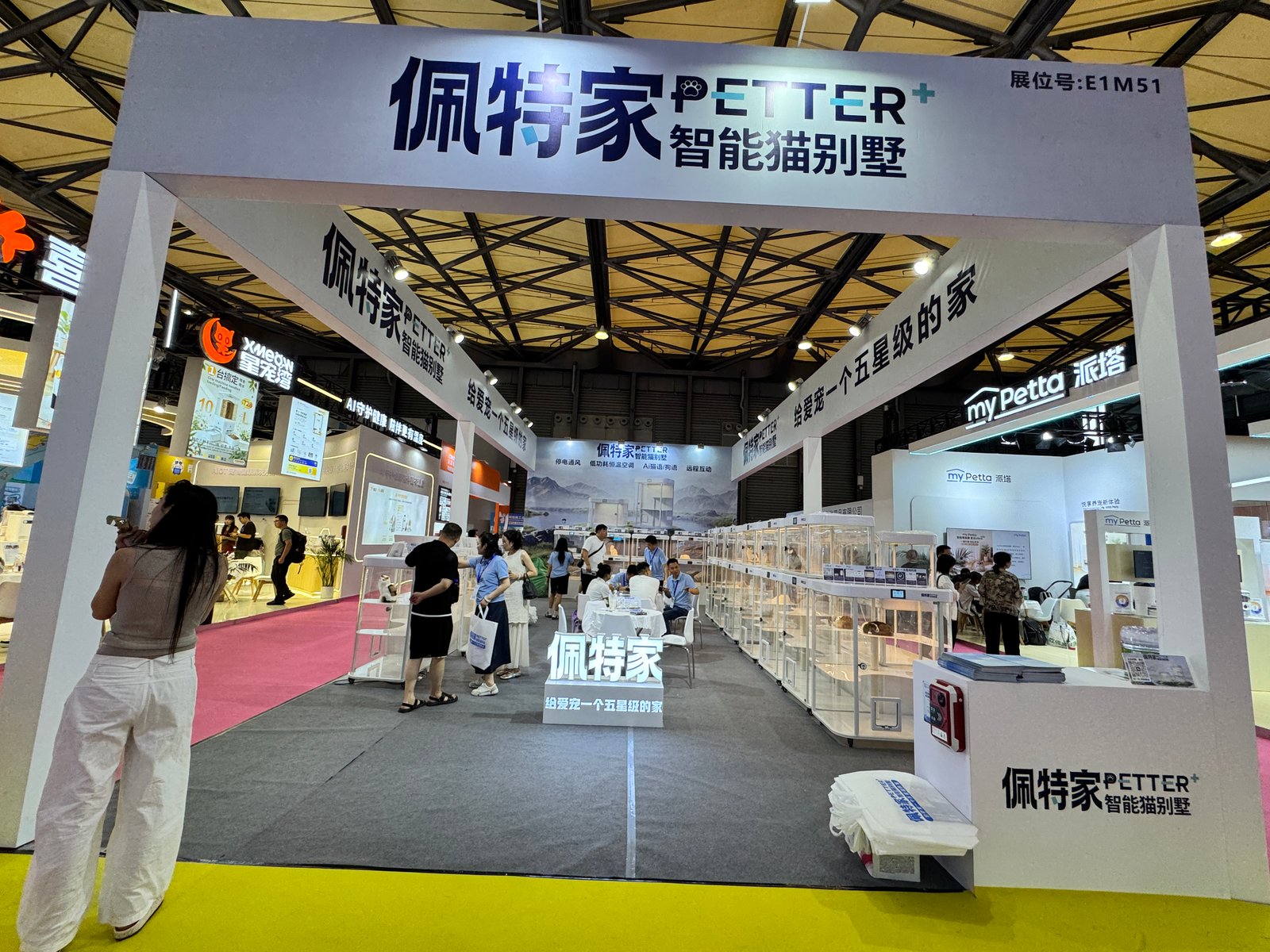
The E1 hall was the most energetic zone of the entire exhibition. Smart pet technology has moved beyond early-adopter novelty into mainstream category status, with automatic litter boxes, app-controlled feeders, video-enabled water fountains, GPS trackers, and AI behaviour monitors now seen as standard equipment for urban pet households. Leading the charge were CATLINK, PETKIT, Homerun, PET MARVEL (鸟语花香), and DOGNESS, each presenting ecosystems rather than isolated gadgets.
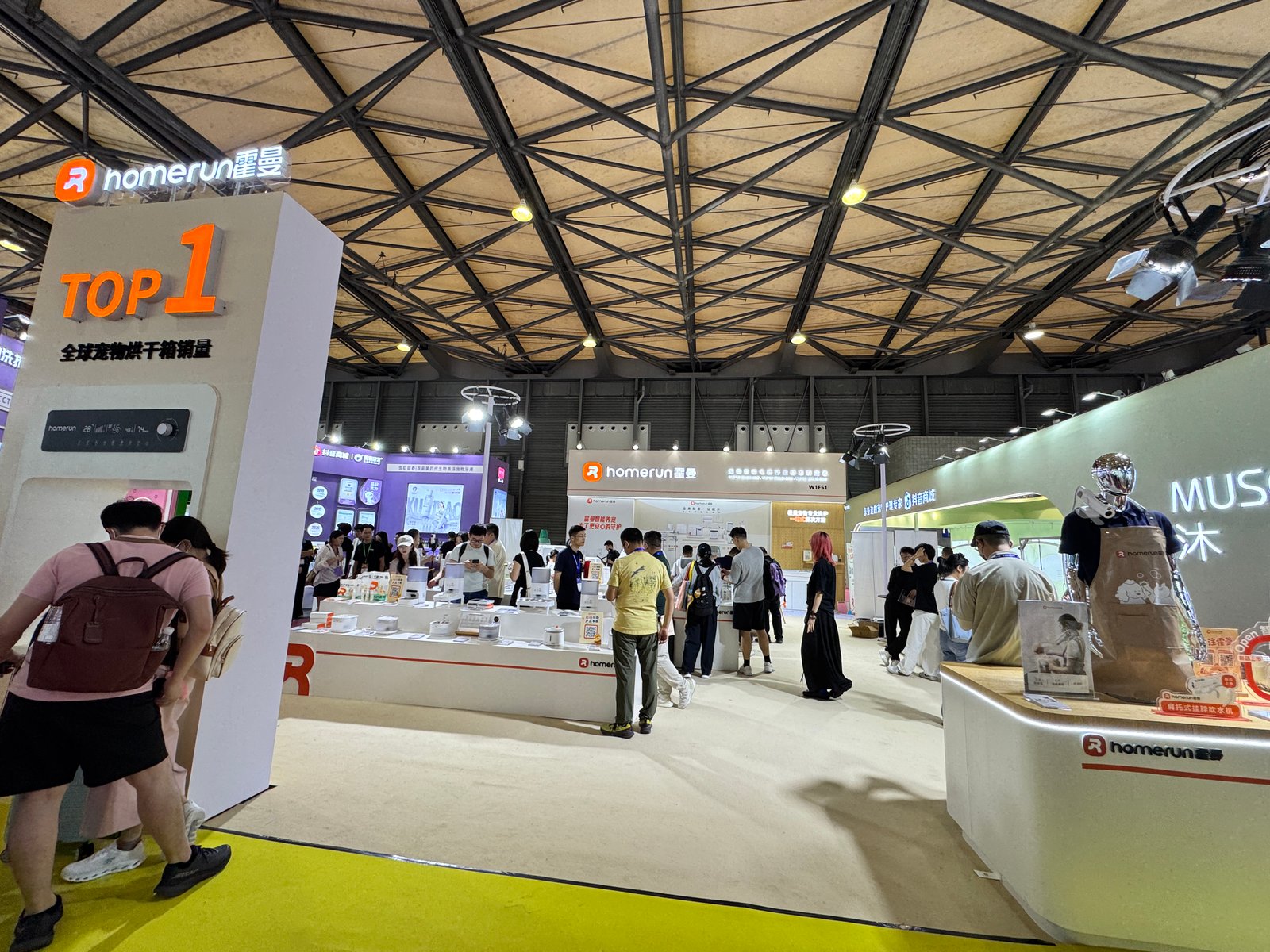
CATLINK showcased its open-top automatic litter box with dual-camera health monitoring, while PETKIT promoted the ULTRA visible water fountain with AI multi-pet facial recognition. Homerun's drying cabinets and feeders continued to dominate the premium segment, and PET MARVEL emphasised its global distribution footprint across more than 30 countries. Newer entrants such as HHOLOVE, PawzZ, MeowSC, and Petree focused on specific pain points: multi-cat prescription feeding, facial-recognition access control, and low-noise automatic litter boxes.
Beyond dedicated pet-tech brands, major consumer-electronics companies including Xiaomi, Midea, Haier, and OPPO displayed connected pet devices as part of broader smart-home ecosystems. This cross-industry participation will accelerate price competition and raise consumer expectations for interoperability, design, and data privacy. For retailers, smart devices represent a high-ticket, high-loyalty category that benefits strongly from in-person demonstration—making trade shows like Pet Fair Asia uniquely valuable.
The most consequential evolution in pet tech was the shift from connectivity to intelligence. Where earlier generations simply connected a device to an app, the 2026 cohort embedded on-device AI for pet identification, health anomaly detection, and behaviour classification. CATLINK's dual-camera litter boxes, for instance, aim to turn a daily necessity into a continuous wellness signal, surfacing weight, frequency, and digestive-pattern changes to owners and, potentially, veterinarians. This reframing—from gadget to health infrastructure—raises the stakes for data privacy and clinical credibility, and it invites scrutiny from regulators and veterinary bodies. Brands that can pair genuine algorithm accuracy with transparent data handling will likely consolidate the category, while those relying on gimmick features will fade. For GlobalPetIndex, smart devices are the clearest example of how software economics (recurring app engagement, subscription upsell) are entering the pet hardware aisle.
The commercial model attached to pet tech deserves scrutiny. Several leaders are shifting from one-time hardware sales to hardware-plus-subscription bundles, where cloud storage, health reports, and multi-pet profiles sit behind a monthly fee. This mirrors the broader consumer-electronics move toward services revenue and materially improves customer lifetime value, but it also raises the bar for retention: a subscription only works if the device delivers daily utility. International expansion is the second lever. CATLINK, PETKIT, and PET MARVEL all advertised overseas warehouses and localized apps, and North America and Europe are now meaningful revenue pools for Chinese pet tech. For GlobalPetIndex partners evaluating the category, the question is less 'does the device work' than 'does the company have the software discipline and support infrastructure to monetise it beyond the first purchase'.
7. Cat Litter and Home Cleaning
Cat litter is a deceptively strategic category. It is heavy, low-margin, and highly competitive, yet it generates recurring purchases and drives traffic to both online stores and physical shops. The 2026 show revealed an industry in the middle of a material-science race. Tofu litter, mixed tofu-bentonite blends, cassava litter, wood-chip litter, crystal silica, and health-monitoring colour-changing crystals were all on display.
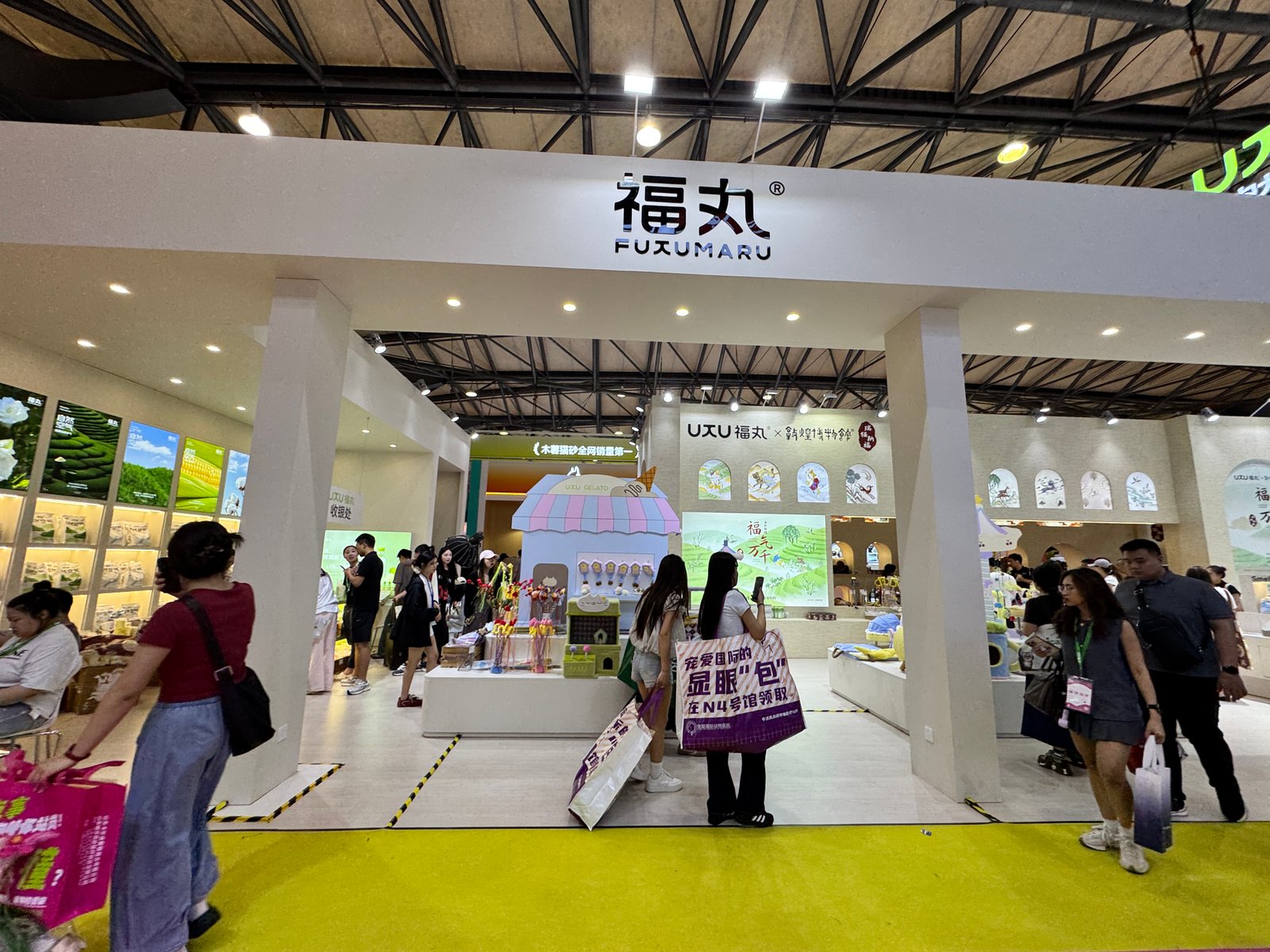
FUKUMARU (福丸) and pidan remained the most recognised domestic names, with FUKUMARU promoting its cassava-tofu blend and pidan defending its position as the mixed-litter pioneer. CatCheck and Cat's Best introduced health-monitoring and plant-based concepts, while imported players such as EverClean, Arm & Hammer, and Catsan maintained a smaller but premium presence. The dominant consumer promises were low dust, fast clumping, odour control, flushability, and reduced tracking—benefits that manufacturers are now trying to deliver through finer granulation, binders, and added probiotics.
Home cleaning products grew in parallel. Enzymatic deodorants, plant-based floor cleaners, and laundry additives designed for pet households were abundant. Brands such as Xuediao, 再三, Puff, and MOKEN targeted the sensorial concerns of cohabitation: smell, hair, stains, and bacteria. As more Chinese consumers allow pets onto furniture and beds, the 'pet-friendly home' cleaning segment is expected to outgrow traditional grooming in percentage terms.
Within litter, the strategic prize is not the substrate but the ecosystem around it. Automatic litter boxes (covered in the smart-tech section) are creating demand for compatible, low-dust, clumping-forward formulas, effectively tying a commoditised product to a high-margin device. Brands that control both the device and the consumable—PETKIT, CATLINK, Homerun—are positioned to capture recurring revenue that pure litter makers cannot. For buyers, this means evaluating litter not as a standalone purchase but as a recurring-revenue attachment, and favouring suppliers with both product quality and channel discipline to avoid destructive price wars.
8. Pet Healthcare and Veterinary Services
N3 and N4 functioned as a parallel veterinary congress. Global animal-health leaders including Zoetis, Boehringer Ingelheim, Virbac, Elanco, and MSD Animal Health occupied large booths alongside major Chinese veterinary players such as HISUN, CAHIC, and BK Pet Medical. The product mix covered vaccines, parasiticides, antibiotics, dermatology, nutritional supplements, and diagnostic equipment.
Preventive wellness was the dominant narrative. Probiotics, omega-3 supplements, joint-support formulations, and dental-care products were positioned as daily essentials rather than occasional remedies. Brands such as RedDog, NOURSE, Gimborn, IN-PLUS, and Cature built strong consumer-facing messaging around coat quality, gut health, and immunity. At the same time, diagnostic-device manufacturers including Mindray, IDEXX, Wondfo, and Edan demonstrated point-of-care analysers, ultrasound systems, and monitors tailored for veterinary clinics.
The veterinary hospital chains also had a major presence. Ruichen, Ruipai, Petlove International, and Naughty Family used the show for franchise development and talent recruitment. This vertical integration—pharma, diagnostics, hospitals, and insurance—reflects the rapid professionalisation of pet healthcare in China and the growing importance of lifetime-value management for clinics.
Healthcare is where the pet industry's maturation is most visible. The conversation has moved from treating illness to managing lifetime wellness, mirroring human healthcare trends and creating space for subscription-style supplement routines. The rise of clinic chains also意味着 purchasing power is consolidating: a single chain's formulary decision can make or break a supplement brand's national trajectory. For GlobalPetIndex partners, the healthcare aisle rewards evidence and relationships over flash; brands with clinical data, veterinary endorsement, and supply consistency are the safest long-term bets, while unsubstantiated 'miracle' claims face rising regulatory and reputational risk.
Two adjacencies are worth watching. Pet insurance, still nascent in China compared with Japan or the West, drew quiet interest from both clinic chains and fintech exhibitors, and its growth would structurally increase demand for preventive products and documented care. Telemedicine and remote consultation tools, accelerated by the same connectivity trends powering pet tech, appeared in early form and could compress the distance between urban specialists and rural clinics. Neither is yet a headline category, but both would, if they scale, reshuffle how preventive and therapeutic products reach pets—another reason GlobalPetIndex treats healthcare as a frontier rather than a settled aisle.
9. Supply Chain, OEM, and Export Readiness
W7 through W11 and parts of E5–E7 were dedicated to the supply side: contract manufacturers, packaging companies, ingredient suppliers, machinery providers, logistics services, and regulatory consultants. China's pet-product manufacturing base is increasingly export-ready, with many exhibitors displaying CE, FDA, FSSC 22000, BRC, and BSCI certifications. Food contract manufacturers such as Fubel (福贝宠食), Haichen Organic, and Shuaiker promoted their ability to produce baked, freeze-dried, wet, and fresh formats under customer brands.
For international buyers, the supply-chain halls offered a one-stop sourcing environment. Packaging machinery for cans, pouches, and kibble bags; label and coding equipment; cold-chain logistics; and raw-material suppliers for proteins, starches, and additives were all represented. Several companies also promoted cross-border e-commerce fulfilment services, recognising that many foreign brands now enter China through Tmall Global, Douyin, and Xiaohongshu rather than traditional distribution.
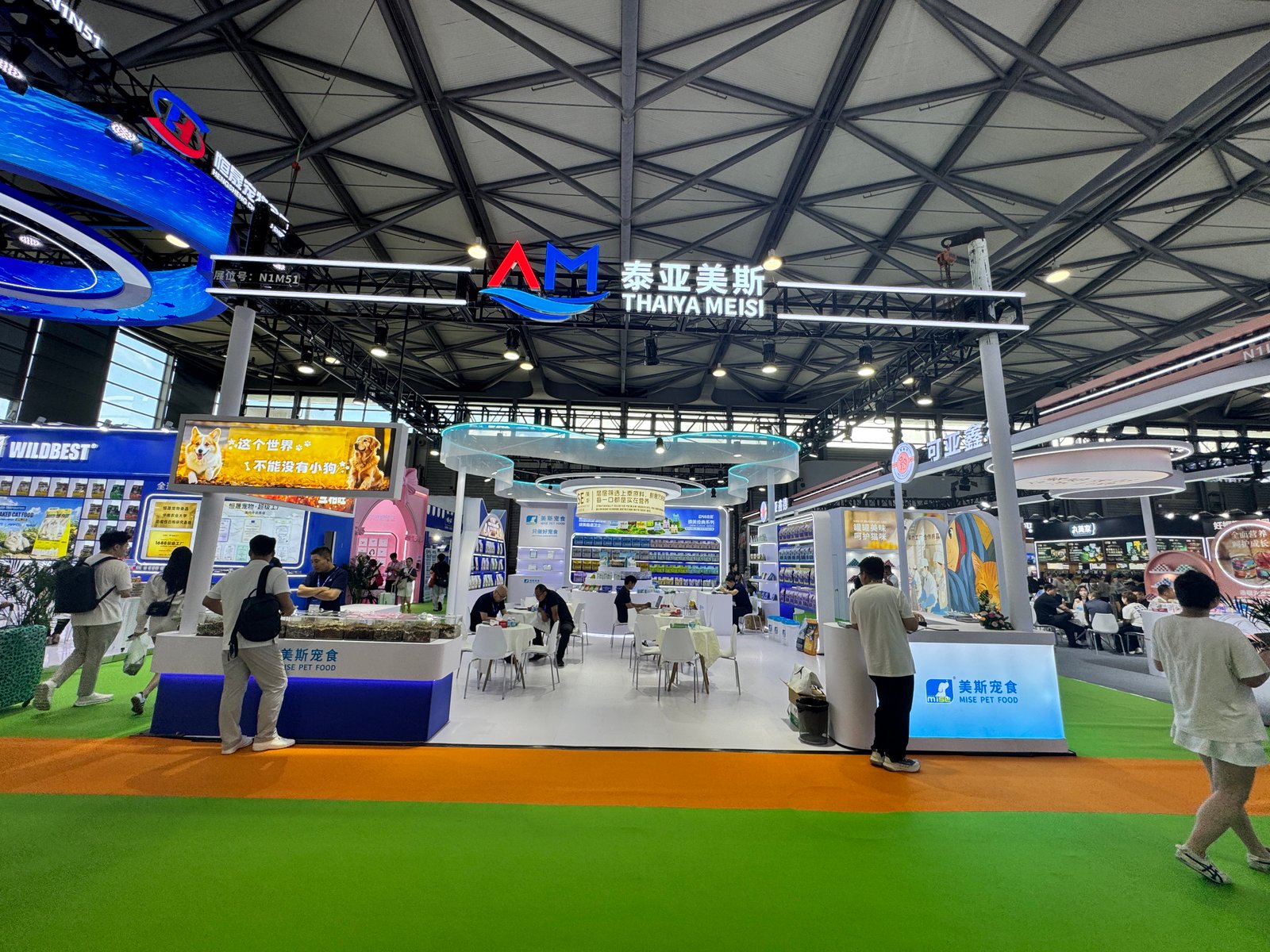
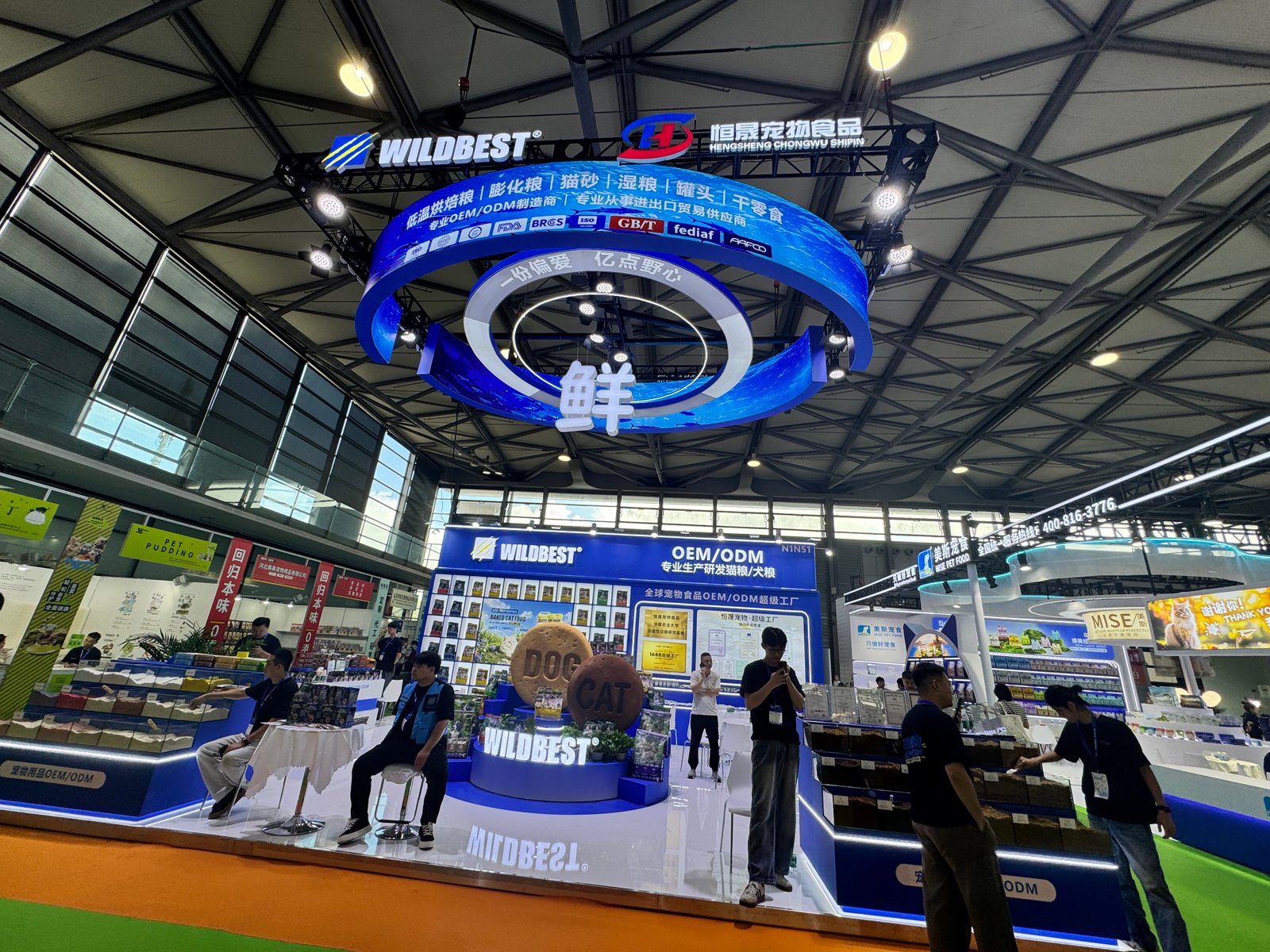
The supply-chain halls are where GlobalPetIndex's directory value is highest: they contain the contract manufacturers and ingredient houses behind many consumer brands, often invisible to end buyers. A recurring theme was the professionalisation of food contract manufacturing, with leading OEMs advertising not just capacity but R&D, regulatory filing, and export documentation support. For international brands considering China manufacturing—or Chinese brands preparing to export—the 2026 floor demonstrated that turnkey, certifiable production is now widely available, lowering the barrier to launching a credible private-label line.
10. Five Macro Trends Shaping the Market
First, premiumisation is now a mass-market phenomenon. Consumers across income tiers are trading up to products that offer transparent sourcing, functional benefits, and emotional resonance. Second, science and veterinary endorsement have become table stakes. Brands that cannot substantiate claims with clinical data, ingredient traceability, or expert credibility will struggle to maintain shelf space. Third, digitisation is transforming every touchpoint. Live streaming, AI customer service, connected devices, and data-driven personalisation are no longer optional innovations but core operational capabilities.
Fourth, sustainability is moving from niche to normative expectation. Biodegradable packaging, plant-based litter, carbon-neutral manufacturing claims, and recyclable materials were visible across multiple halls, even if greenwashing remains a risk. Fifth, the pet-human relationship is deepening into lifestyle integration. Products are being designed for shared living spaces, travel, social media aesthetics, and human-grade safety standards. These five trends create both opportunities and barriers: they raise the capital and expertise required to compete, but they also expand the total addressable market and the willingness to pay.
A regional dimension deserves emphasis. The trends above are most advanced in China's tier-one and new tier-one cities, but the show made clear that growth is migrating outward. Exhibitors reported accelerating demand from tier-two and tier-three cities, where pet ownership is rising faster than in saturated coastal hubs and where price sensitivity remains higher. This geographic diffusion means the winning strategy is rarely one product for the whole country; it is a tiered portfolio that pairs aspirational premium lines for affluent urban cores with value-engineered options for emerging cities. GlobalPetIndex's directory data, which already segments brands by region and channel, is built to support exactly this kind of granular, geography-aware sourcing decision.
Underneath these five trends sits a sixth, quieter force: consolidation. As the cost of brand-building, compliance, and digital operations rises, the industry is concentrating around a smaller number of well-capitalised groups that can fund all three simultaneously. This does not eliminate room for innovators—smart devices, fresh food, and sustainable materials remain open frontiers—but it does raise the threshold for survival. GlobalPetIndex reads the 2026 show as an inflection point: the easy-growth era is over, and the next phase will reward operators who combine category insight with execution discipline.
11. Strategic Implications for GlobalPetIndex Partners
For B2B wholesale partners, the priority is to build a defensible assortment. The market has too many undifferentiated SKUs; success depends on selecting brands with clear positioning, reliable supply chains, and marketing support. Domestic leaders such as Myfoodie, Rosy Fresh, PETKIT, and CATLINK offer strong consumer pull and operational scale, while international brands provide premium credentials and margin protection. A balanced portfolio that combines volume drivers, premium import lines, and high-margin niche categories is the most resilient approach.
For DTC and retail partners, content and experience are the new currency. Brands that invest in booth theatre, live streaming, sampling, and educational content generate disproportionate attention. Retailers should look for suppliers who can deliver not only product but also ready-made marketing assets, training, and data feedback loops. Finally, for investors and industry analysts, the show underscored that China's pet economy is consolidating around a smaller number of well-capitalised groups while leaving room for agile innovators in smart devices, fresh food, and sustainable materials.
A practical recommendation for all partners is to treat Pet Fair Asia as an annual calibration ritual rather than a one-off sourcing trip. The brands that matter—and the claims they make—shift year to year; tracking booth size, new entrants, and repeat presence provides a low-cost competitive-intelligence signal that complements formal market data. GlobalPetIndex will maintain a rolling view of these signals inside its directory and trend products, giving partners a persistent, structured advantage between show cycles.
12. Methodology: The 2026 Top 50 Brand Rankings
This report is accompanied by a dedicated Top 50 brand ranking across seven categories: pet food, pet treats, pet supplies, smart pet products, pet cleaning, cat litter, and pet medical. Rankings were compiled from three inputs: the official Pet Fair Asia 2026 exhibitor showroom (more than 2,300 verified exhibitors), on-the-ground booth-impact observation, and GlobalPetIndex's market-intelligence database. Brands were scored on awareness, market voice, distribution breadth, booth presence, and category leadership. The resulting lists are intended as a starting point for due diligence, not a definitive league table; the full dataset, including booth numbers and source links, is provided in the accompanying spreadsheet for partner use.
A note on limitations: exhibitor lists and booth observations capture trade-show presence, which is a strong but imperfect proxy for total market share. Some category leaders may under-index at the show because they prioritise other channels, and emerging brands may over-index because of aggressive booth investment. GlobalPetIndex applies these rankings as directional signals and encourages partners to weight them alongside sales data, e-commerce rankings, and veterinary-channel feedback before making sourcing or investment decisions.
13. On-the-Ground Field Notes
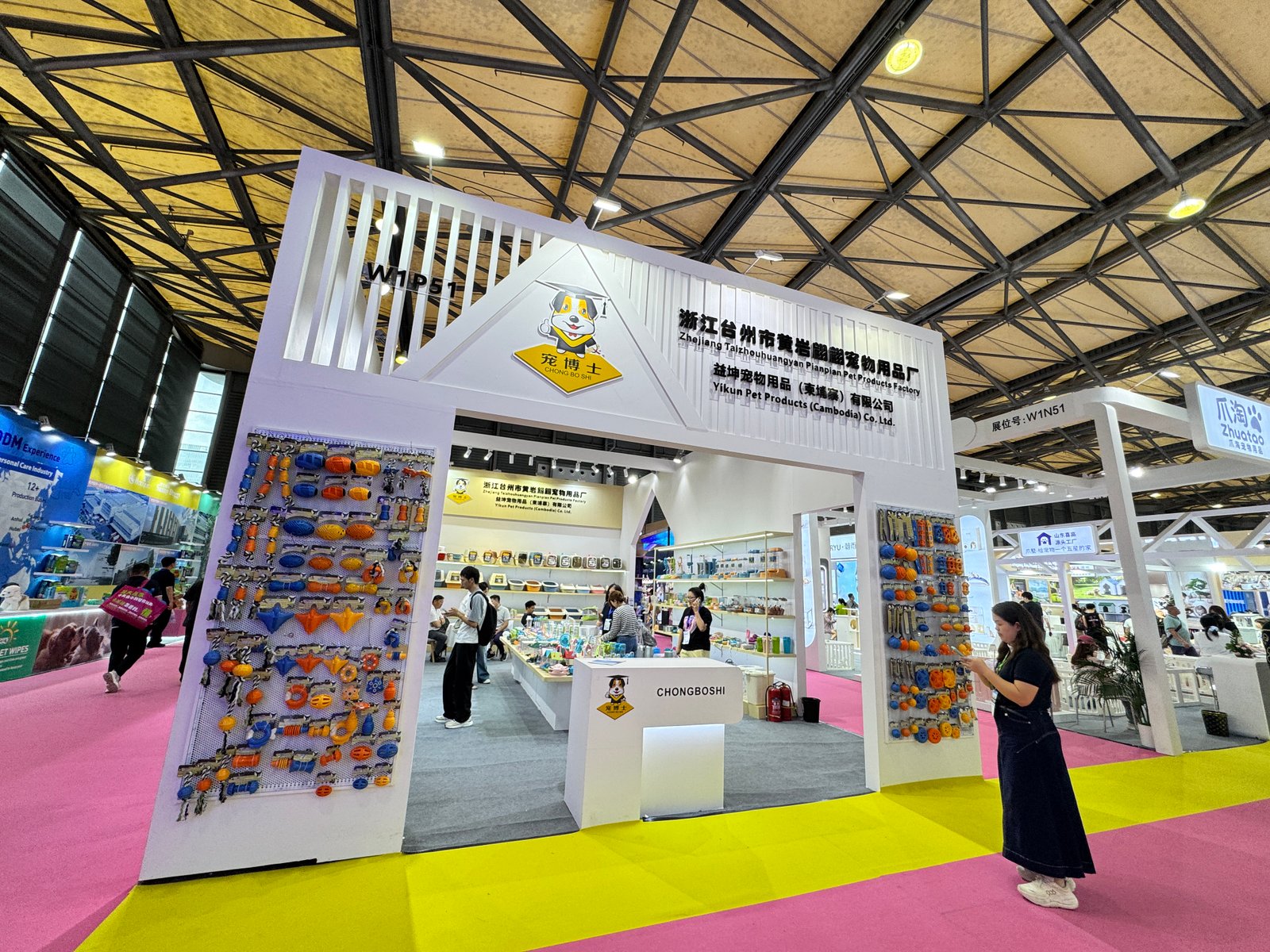
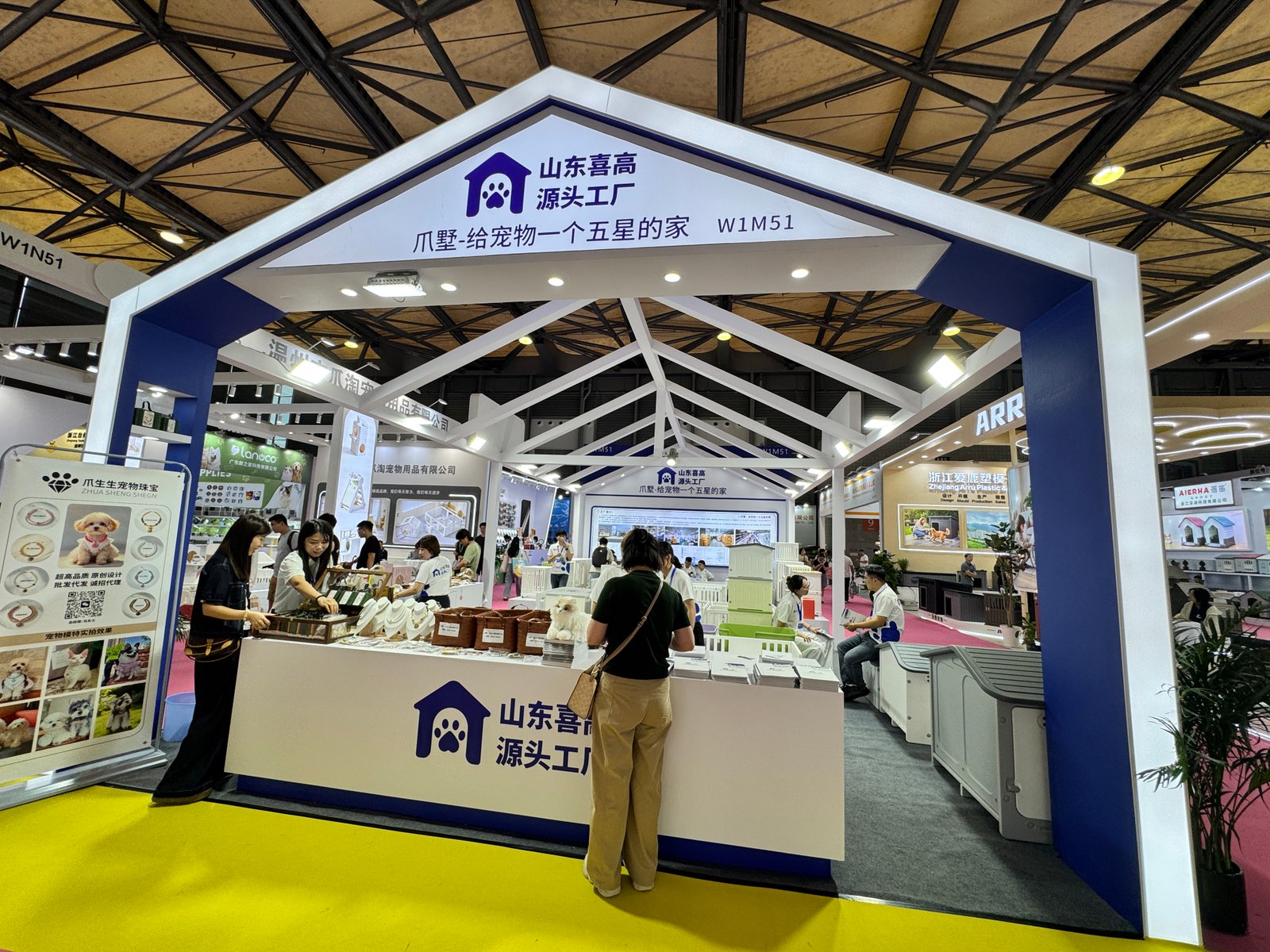
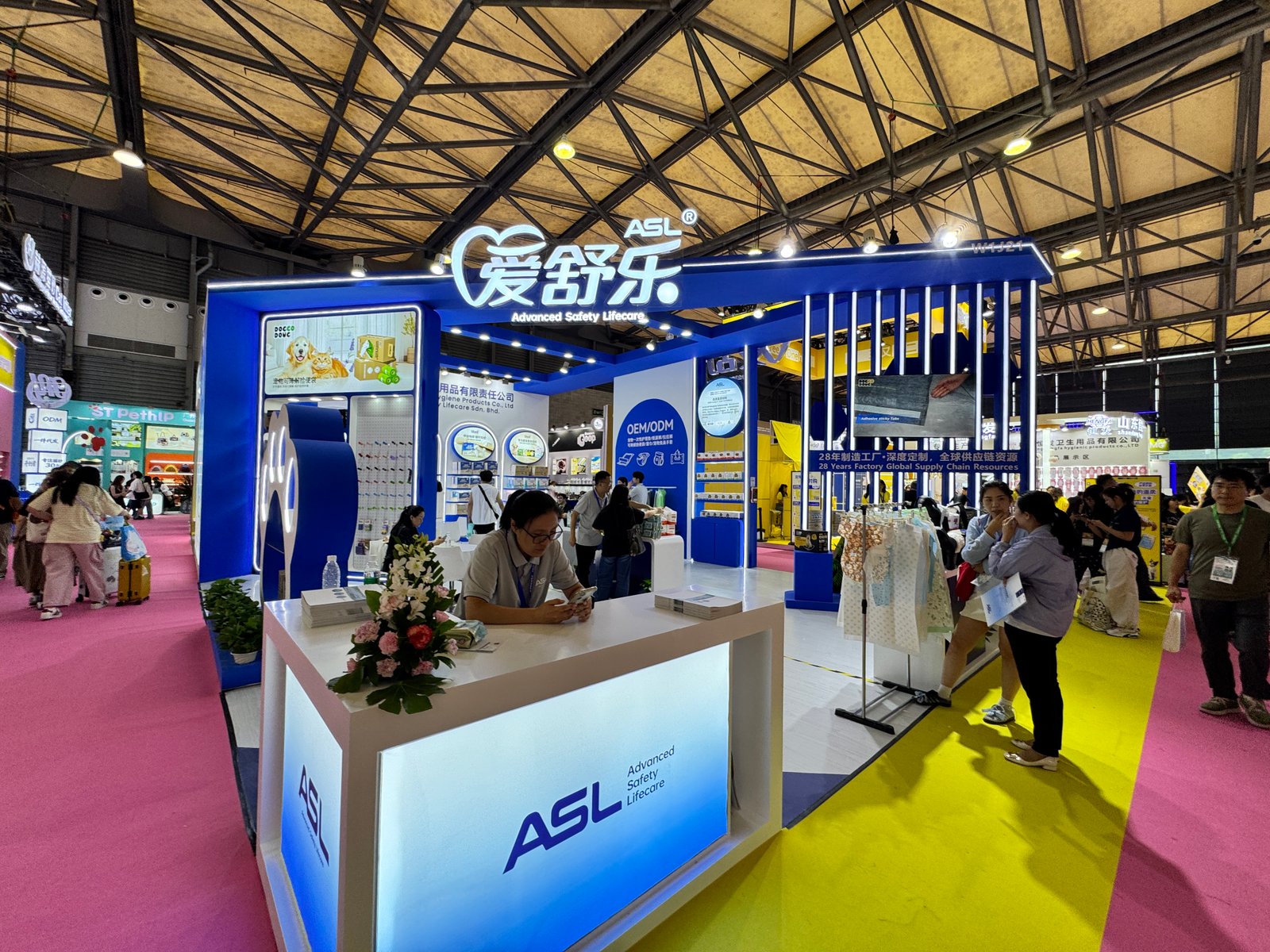
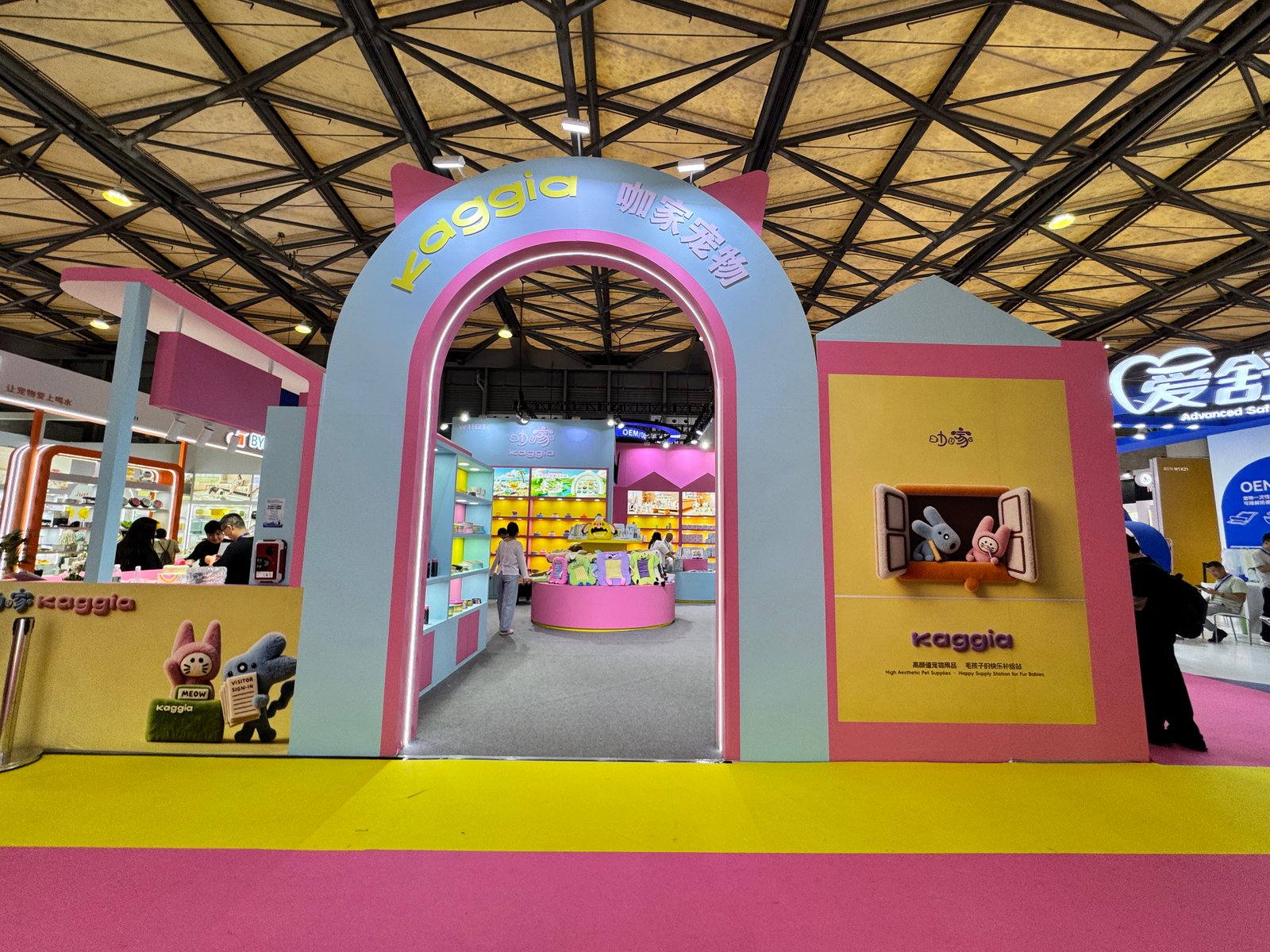
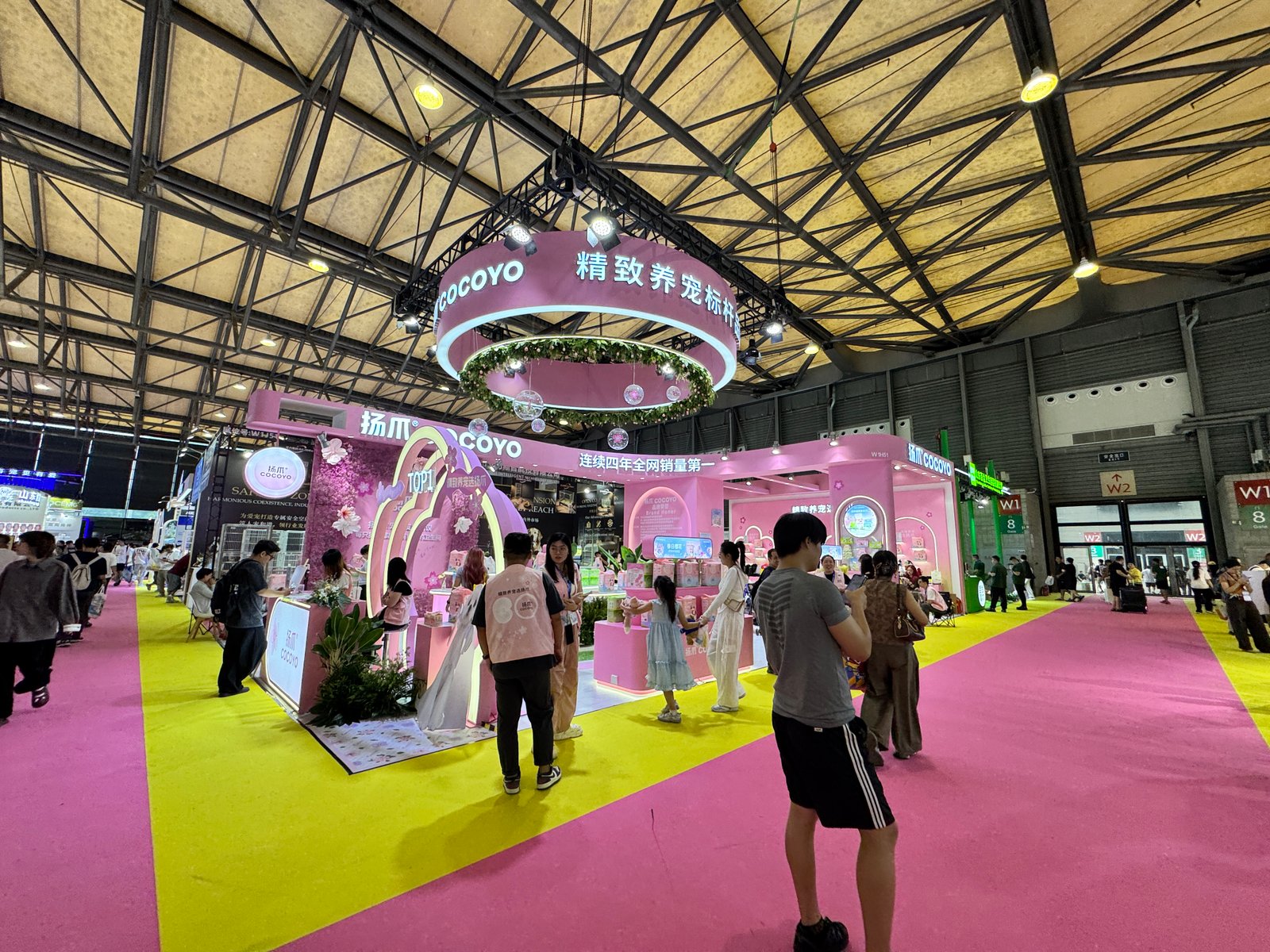
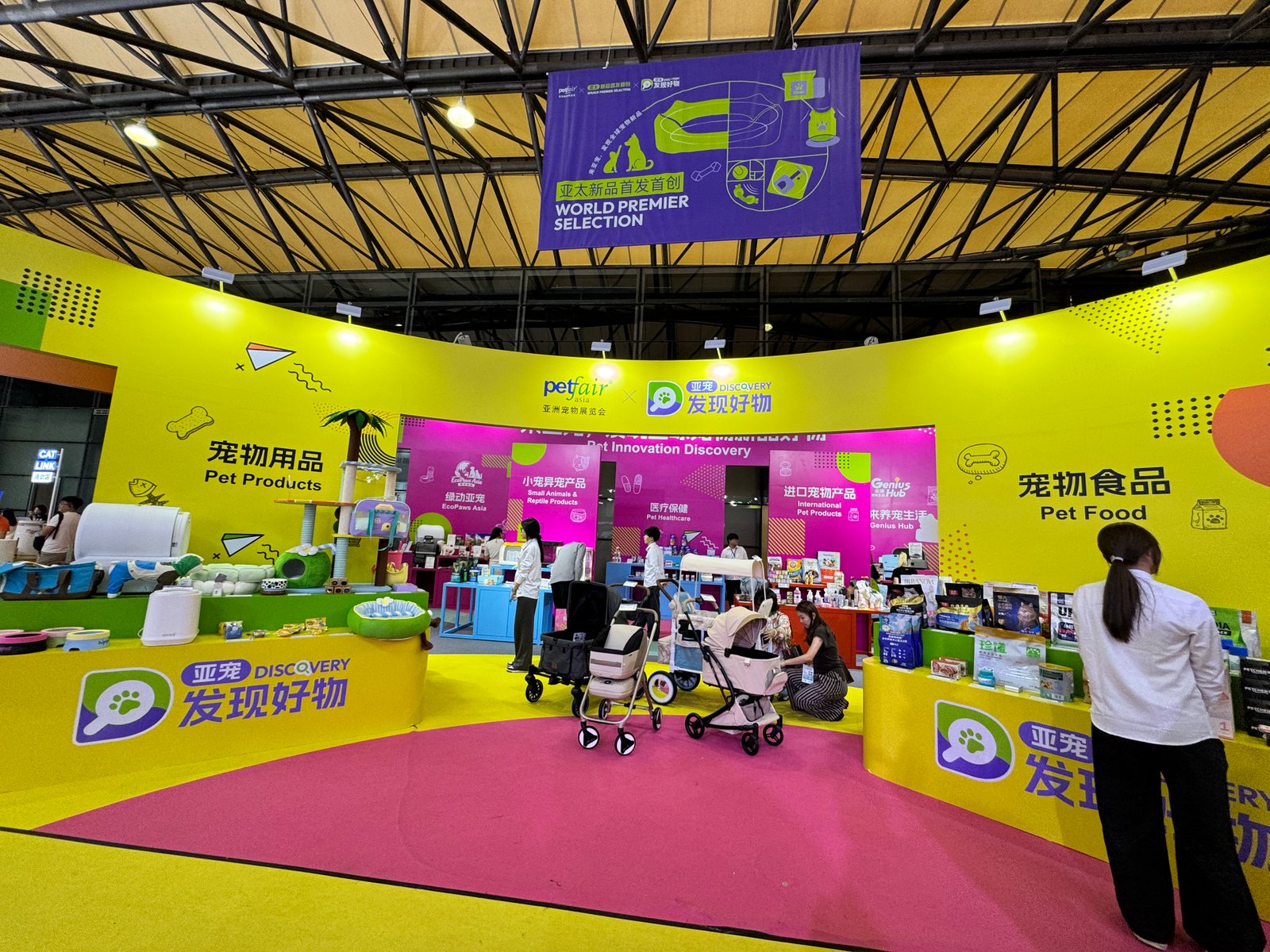
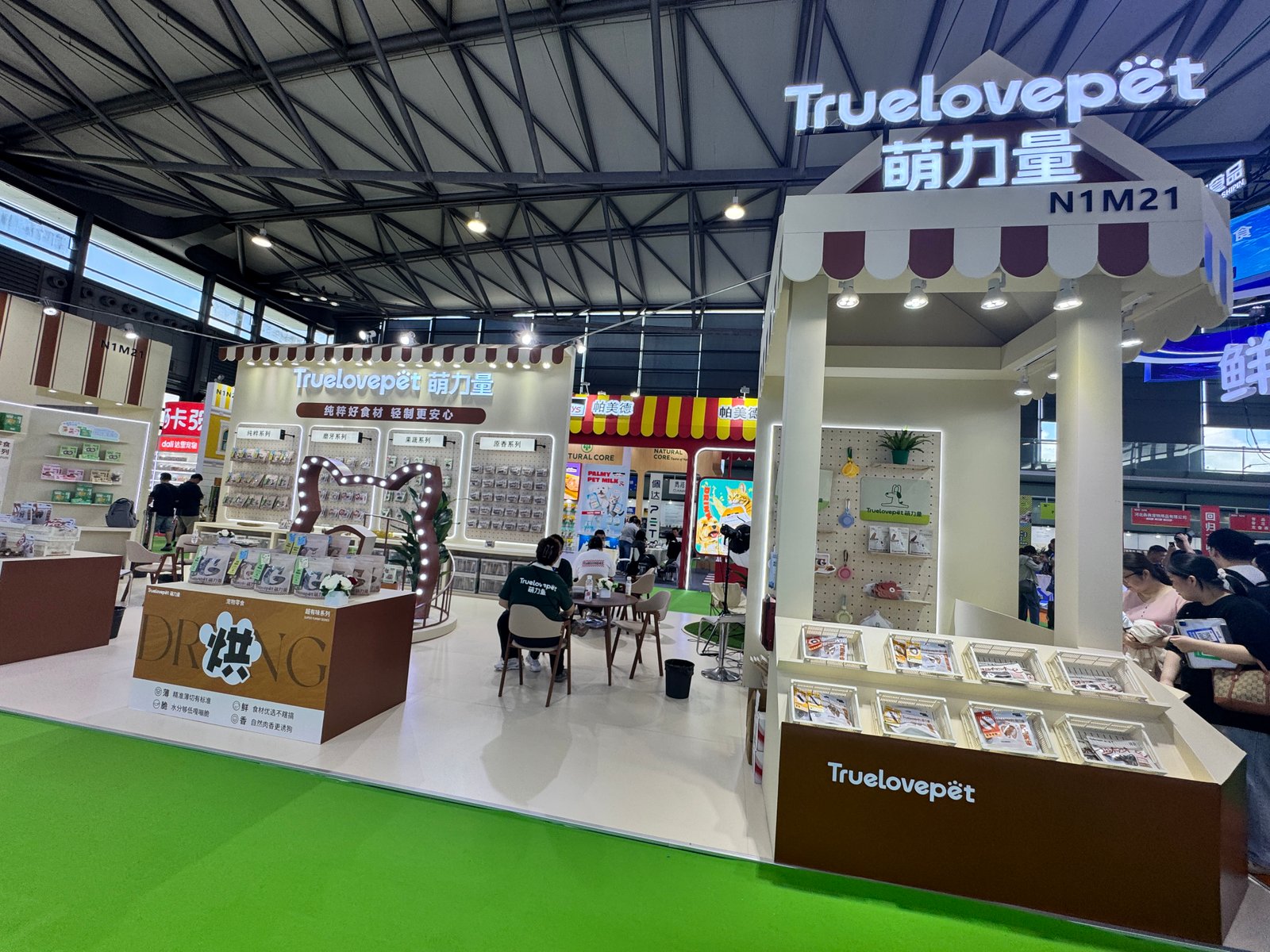
Beyond the structured category analysis, several qualitative signals stood out during the walkthrough of the halls. The first was the sheer professionalism of stand construction. Even mid-tier brands commissioned architect-designed booths with dedicated demo zones, photo backdrops, and meeting pods, signalling that trade-show presence is now a core marketing line item rather than an afterthought. The second was the density of live commerce. Nearly every sizable booth ran at least one live-stream, often with hired hosts and ring lights, and several displayed real-time sales dashboards—evidence that the show floor had become a direct sales channel, not merely a lead-generation one.
The third signal was the internationalisation of the Chinese supply base. Multiple contract manufacturers displayed export case studies, overseas warehouse maps, and foreign-language compliance documentation, indicating that 'made in China for the world' has matured from aspiration to operating model in pet care. The fourth was consumer sophistication on the public days: visitors asked pointed questions about protein sources, ingredient transparency, and device data privacy, behaviours that previously characterised only Western markets. Together, these observations confirm that the gap between the Chinese pet market and its mature counterparts is now one of nuance rather than stage of development.
A final, strategically important note concerns the role of platforms like GlobalPetIndex. As the number of brands and claims explodes, the scarce resource is not information but trustworthy curation. Buyers and investors told us repeatedly that they struggle to separate genuine innovation from packaging, and that independent, structured intelligence—verified exhibitor data, category rankings, and trend synthesis—is precisely what they lack. The 2026 show therefore reinforced our core thesis: the pet industry's next competitive frontier is not more products, but better navigation of the products that already exist.
14. Conclusion
Pet Fair Asia 2026 was a powerful demonstration of scale, sophistication, and speed. The event captured an industry that has evolved from manufacturing-led growth to brand-led, consumer-centric competition. Chinese brands are no longer merely local challengers; they are setting global standards in product innovation, digital marketing, and supply-chain integration. At the same time, international brands retain strong appeal in premium nutrition, veterinary science, and professional grooming.
For GlobalPetIndex, the data gathered at the show—including exhibitor lists, booth locations, product categories, and on-the-ground photography—will feed directly into our directory, trend reports, and partner-matching services. The Top 50 brand rankings by category, compiled from official floor plans, market presence, and observed booth impact, provide a starting point for deeper due diligence. As the pet industry continues to converge with technology, healthcare, and lifestyle, platforms like Pet Fair Asia will remain essential intelligence nodes for anyone building a global pet business.
The single most important lesson of the 2026 edition is that the Chinese pet market rewards operators who treat the consumer as sophisticated. Transparency, science, design, and digital fluency are no longer differentiators—they are the price of entry. GlobalPetIndex's role is to help partners navigate this higher bar: to find the brands that meet it, to avoid the ones that merely pretend to, and to turn the noise of the show floor into a clear, actionable view of where the industry is going.
For those ready to act on these observations, the practical next steps are straightforward. Wholesale and retail partners should request GlobalPetIndex's full exhibitor and Top 50 datasets to shortlist brands against their own assortment strategy, then prioritise suppliers who can provide marketing assets and training alongside product. Investors should weight the consolidation and smart-tech signals most heavily, where capital intensity and software discipline create the widest gaps between leaders and followers. And every stakeholder should plan to return to Pet Fair Asia next year with a sharper scorecard, because the pace of change on this floor is unforgiving. The brands that will define the next cycle are already on the 2026 show floor; the task is simply to see them clearly, and to move before the rest of the market does.
Photo Gallery: On the Show Floor