2025 Asia Pet Fair Report: Brand Worlds, Smart Pet Technology and Sourcing Signals
Shanghai New International Expo Centre · 20–24 August 2025
Editorial note and source basis. This report is an English editorial adaptation of the supplied “2025 Asia Pet Fair Summary — Europe Region” presentation dated 26 August 2025. Booth, product and supplier observations are reported as field notes from that deck. Supplier capabilities, certifications, ownership claims, patents, pricing, compliance status and production readiness require independent confirmation before commercial use. The deck identifies 43 contacts as being in follow-up; it is not a supplier approval list.
The 2025 Asia Pet Fair field review points to a pet industry that is becoming more designed, more segmented and more technologically expressive. The important change was not simply the number of products on display. It was the way exhibitors connected product, space, character, content and category architecture into a recognisable commercial world.
For a European buyer, brand owner or category manager, the show offered a clear message: competing as a generic supplier of “pet accessories” is becoming harder. The opportunity is to build coherent propositions around a pet parent, a use case, a species, a material story, a technology layer or an emotional ritual. Smart feeding, hydration, litter care, climate-controlled resting, small-pet habitats, licensed character goods, food and treat ecosystems, and premium home-compatible furniture all appeared as relevant directions.
The supplied presentation separates its conclusions into two lenses. The first is a business lens: how exhibitors create brand recognition, structure collections and turn a booth into an immersive product story. The second is an operations and sourcing lens: new factories, new products from existing factories, and product-design concepts that could create the next buying brief. Together, they form a practical framework for developing a European-facing pipeline rather than treating a trade fair as a one-off product hunt.
Executive Summary: What the 2025 Asia Pet Fair Signals
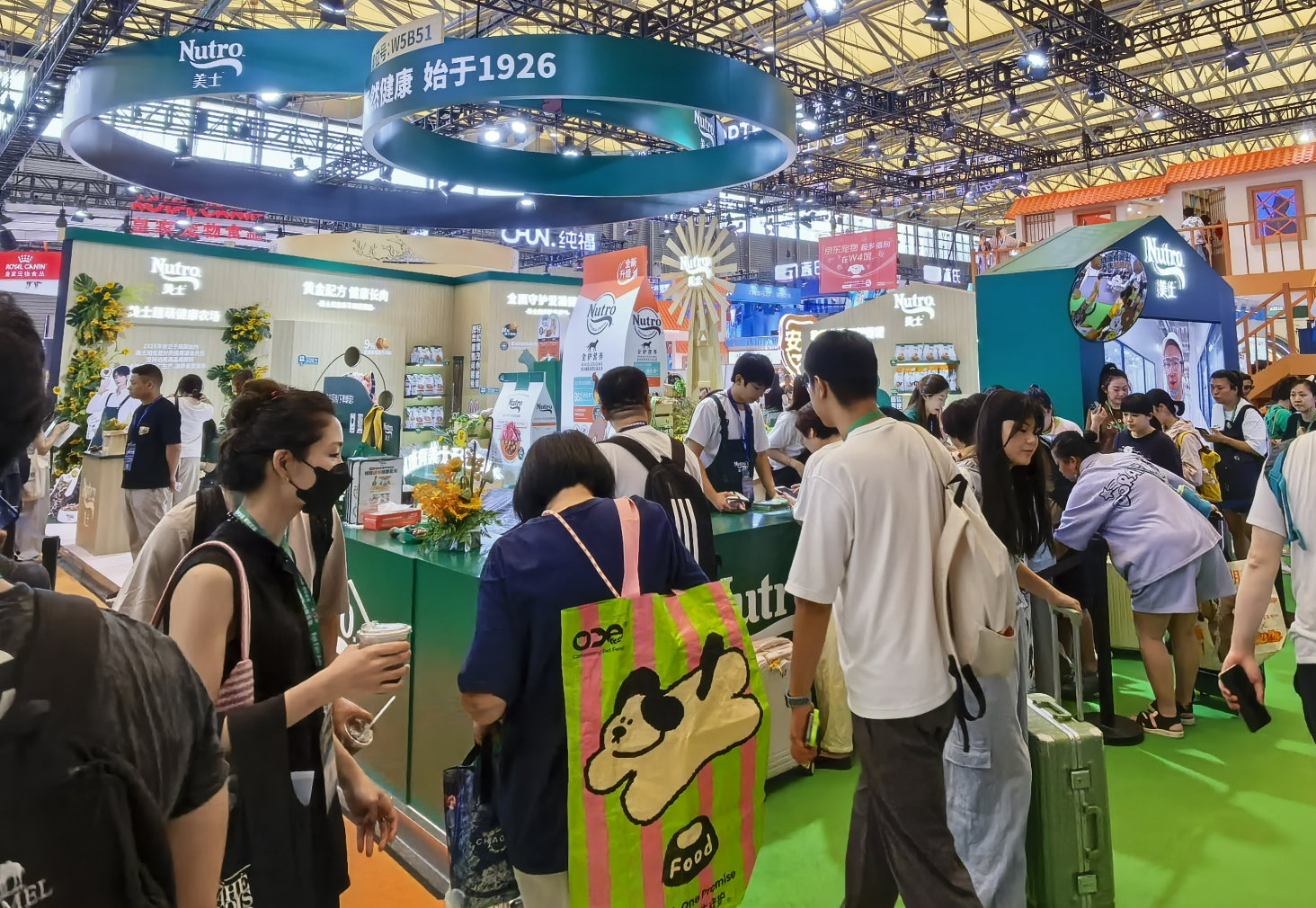
The most actionable observation from the presentation is that product branding and brand operations now need to be developed together. A display is no longer only a place to show stock-keeping units. It can communicate a brand’s colour system, mascot, material language, intended lifestyle and hero category within seconds. Exhibitors used architectural forms, illuminated signage, ceiling structures, zones and product scenes to make their offering legible in a crowded hall.
Five themes emerge from the field material.
- Booths are becoming brand environments. Strong exhibitors aligned large-format graphics, fixtures, product colours and interaction space. They reduced the distance between store display, digital content and trade-show presence.
- Pet intellectual property (IP) has become a practical product-system tool. Licensed and original character design extended from soft beds and apparel to toys, leads, feeding accessories and booth storytelling. The commercial value is not decoration alone; it is collection logic, recognisability and content potential.
- Smart pet technology is spreading across daily routines. The deck documents automatic litter systems, feeders, fountains, climate-oriented beds, air-related devices, drying equipment and electronically enabled toys. Technology is migrating from a single premium novelty into a wider ecosystem of care moments.
- Premiumisation is increasingly domestic and emotional. Pet parents are being addressed as people furnishing a home, creating rituals and expressing care—not only solving a basic need. Material choices, colour palettes, furniture-like forms, curated treat displays and playful experiences all support this move.
- Sourcing advantage depends on structured validation, not fair-floor enthusiasm. The presentation identified suppliers with product novelty, R&D teams, small-batch flexibility, trade experience or stated audit credentials. It also records gaps, including missing factory audits, unclear overseas-market readiness and limited certification coverage. Those gaps should drive a disciplined qualification workflow.
The strategic conclusion is straightforward: build a category plan around differentiated consumer value, then use the supply chain to deliver it modularly. Do not begin with a crowded catalogue and hope a brand will emerge later.
The Business Lens: From Product Display to Brand System
Brand Integration Was the Dominant Visual Language
The presentation repeatedly uses the term brandisation to describe what was seen in the halls. In practice, this meant integration: the booth structure, brand identity, product display and visitor experience were designed as one system.
One documented booth used a restrained primary colour palette, strong brand exposure, illuminated lettering and visibility from multiple angles. Another integrated aluminium-profile construction directly with its brand presentation. These are not merely exhibition-design decisions. They show a mature understanding that category buyers need to recognise a supplier or brand before they can process the detail of a large assortment.
For European retail and DTC teams, this has a direct implication. If a collection cannot be explained by a visual system at an exhibition stand, it may also struggle on a shelf, category page, social thumbnail or campaign landing page. The fair reinforces the need to define a visual operating system before broadening a range:
- one lead colour and a controlled supporting palette;
- a simple hierarchy between hero products and supporting accessories;
- consistent use of packaging, icons and photography;
- store fixtures or display modules that can be reused across channels;
- a content-ready story, not only a technical specification.
The Booth as a Prototype of the Retail Experience
A high-performing booth can be understood as a physical prototype of a future retail environment. It answers four questions rapidly: Who is this for? What does the brand stand for? What should the visitor notice first? What should they want to explore next?
The strongest examples in the deck avoided an undifferentiated wall of products. They used scenes and zones: a soft-goods area that feels domestic, a character display that feels playful, or a clear tool-and-toy system that makes category navigation effortless. This approach helps a buyer read the range as a set of solutions rather than a collection of unrelated items.
Design Rule: Make the Hero Category Obvious
A booth can carry many categories, but it should have a clear hero. A brand can lead with smart litter care, plush character products, dog toys or food-and-treat expertise. That lead role allows buyers to remember the brand, while adjacent products increase basket size and account value.
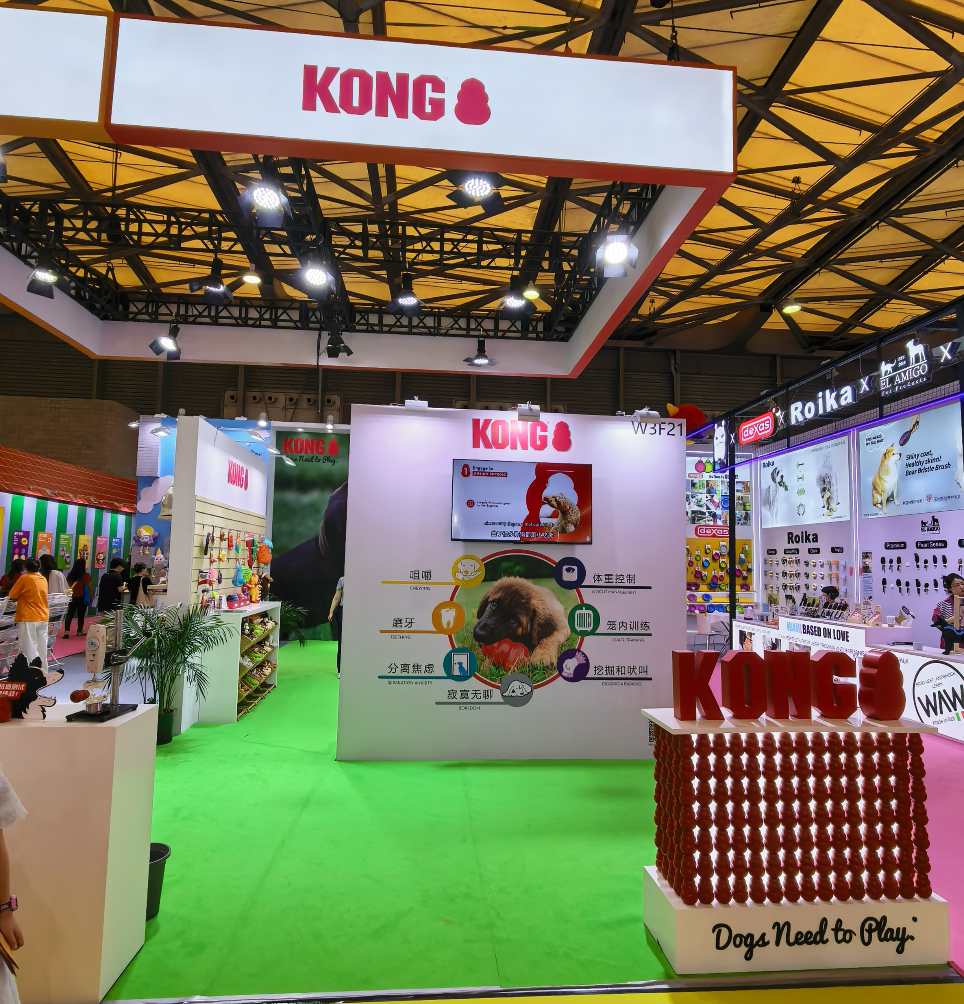
The report’s source material offers a useful contrast. KONG’s observed presentation was described as relatively simple and open, with product lines arranged by material and use. The strength of this approach is clarity: product families become easy to browse, compare and buy. An experiential brand can still learn from this discipline. Story should never obscure navigation.
IP-Led Collections Are Moving Beyond Licensing
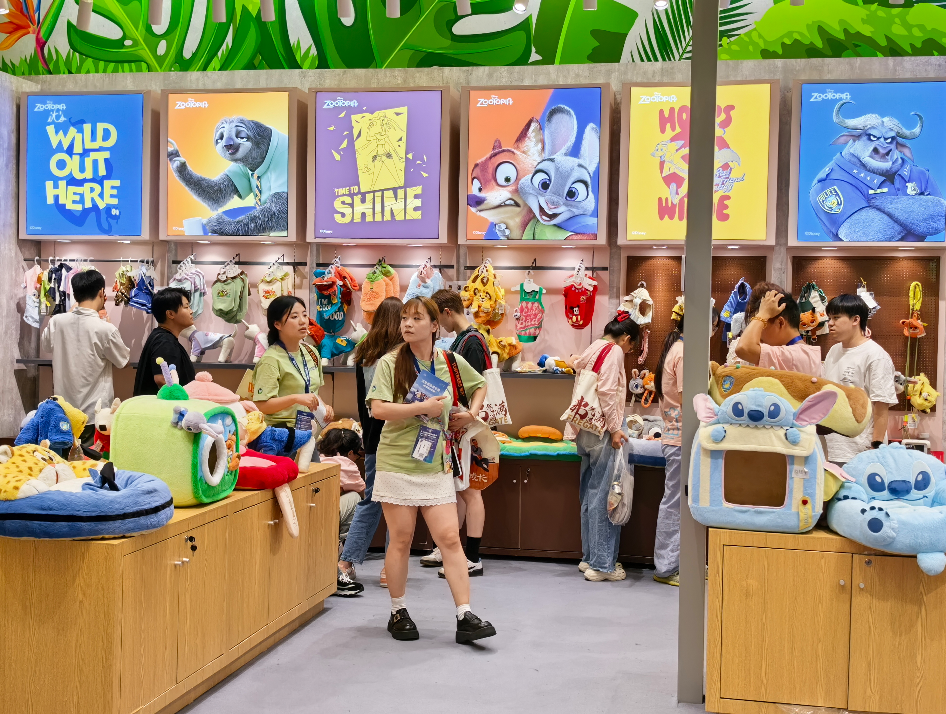
Character-led merchandising appeared in several documented examples. Huayuan was noted for a fully IP-oriented product approach featuring a Disney range across beds, apparel and leads; its booth design was integrated with product design. Paisiwei was also observed using IP-led booth construction, where characters took a prominent role and products acted as supporting elements. Elsewhere, oversized plush installations created an immediate photogenic scene and drew attention to core electronic products.
This matters because pet IP now functions at three levels.
- Recognition: a character, colour world or motif makes a product easier to notice in a dense assortment.
- Collection-building: the same visual universe can extend across multiple price points and categories.
- Content production: characters create natural social-media hooks, in-store events, gifting narratives and seasonal editions.
A European buyer should distinguish carefully between licensed IP, original supplier-owned IP and generic character-inspired styling. The first requires formal rights management; the second needs ownership, territory and exclusivity clarification; the third needs a design-risk review. The commercial principle is the same, however: a coherent character system can create a reason to buy repeatedly.
How to Convert IP into a Commercial Platform
A successful pet IP system should not begin with a mascot placed randomly on products. It should start with a role. Is the character a playful companion for indoor cats? A guide for first-time pet parents? A premium lifestyle symbol? A humorous “chief tester” for a social-content series? The answer defines product shape, language, photography and content.
A practical launch sequence could include a hero plush or bed, a lower-priced toy or accessory, a feeder or bowl add-on, an apparel item, a packaging insert and a short-form content series. Each item should do a different job: discovery, conversion, gifting, repeat purchase, social proof or education. This is how IP turns from visual decoration into an economic system.
Experience-Led Staging Helps Products Compete for Attention
The deck’s examples from Pet Gravity and zeze show the importance of staging. One used a giant plush-toy scene with a large exhibition area and smaller product displays, keeping attention on key electronic products. Another was described as installation-led, integrating products, the physical build and visitor interaction in an entertainment-oriented setting with room reserved for engagement.
The lesson is not that every brand needs an expensive build. The lesson is that an engaging environment makes a product easier to understand and share. For a smaller brand, the equivalent could be a modular display unit, a test-and-play station, a tactile material wall, a photo corner or a live feeding demonstration. The asset must serve a commercial action: stop, touch, scan, ask, post or order.
Category Architecture: Broad Enough to Retain, Focused Enough to Lead
The presentation recommends comprehensive product coverage across food and supplies, along with integrated, series-based development. That is a sensible ambition, but breadth must be earned. It is better to build a recognisable category system than to add unrelated products solely to look complete.
The Petio observation in the deck is useful here. Its product mix was perceived as weighted towards food and snacks, with toys and supplies representing a smaller share; high-value orientation and a prominent role for meat treats were also noted. Whether or not that mix should be copied, it illustrates a portfolio with an apparent centre of gravity. The buyer can understand where the brand is strongest.
For a European portfolio, a resilient architecture may be:
- Hero routine: hydration, feeding, litter, sleep or play;
- Core consumable or replenishment: food, treats, filters, litter, replacement pads or refills;
- Accessory ecosystem: bowls, mats, grooming, storage, lead accessories or small toys;
- Premium upgrade: a smart device, furniture-grade piece, licensed collection or giftable set;
- Content layer: care guides, routine videos, product pairing advice and seasonal prompts.
This structure supports customer acquisition without relying on a single viral SKU. It also gives commercial teams a way to cross-sell based on real routines.
The Operations and Procurement Lens: Supplier Leads and Product Opportunities
A Fair Is a Qualification Starting Point, Not a Supplier Decision
The deck divides its sourcing findings into new factories with new products, established factories with new products and new thinking/new design. This is the right way to organise follow-up because each type of lead has different risk and value.
A new factory may have a compelling product opportunity but limited export processes. An existing supplier may be easier to activate but still require product-innovation assessment. A trend concept may be strategically attractive while no production partner is ready to deliver it at the desired quality, compliance level or margin.
The presentation lists 43 contacts as under continuing follow-up. Before progressing any lead, the commercial team should apply a common evidence pack:
| Qualification area | What to request or verify | Why it matters |
|---|---|---|
| Corporate identity | Registered entity, factory address, ownership, operating history | Confirms who will contract and manufacture |
| Product capability | Product catalogue, BOM-level materials, tooling status, R&D ownership | Separates concept display from repeatable production |
| Compliance | Market-specific test reports, declarations, lab scope, product labels | Prevents assumptions based on domestic or unrelated certifications |
| Social and environmental | Current audit reports where relevant, corrective-action status, recycled-material evidence | Supports retailer requirements and risk management |
| Commercial terms | MOQ, sample lead time, production lead time, Incoterms, payment terms | Tests whether the product can fit the launch model |
| Quality system | Incoming inspection, in-line controls, final AQL process, traceability | Establishes a basis for scalable quality |
| IP and exclusivity | Patent evidence, trademark ownership, territory rights, design exclusivity | Protects the buyer from disputes and commoditisation |
| Logistics resilience | Export history, packing method, battery handling, spare parts and after-sales plan | Especially important for smart and fragile products |
The field notes below preserve the directional value of the presentation without treating any supplier statement as verified fact.
New Factory and New Product Leads
Smart Hydration and Feeding
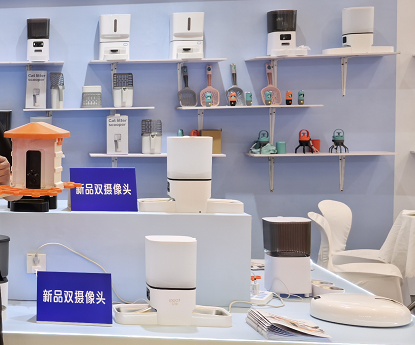
Linyi Huadong Pet Products Co., Ltd. was documented as a Linyi-based specialist in electronic water dispensers, including plastic and stainless-steel models, with rechargeable and sensor-driven variations. The deck notes an in-house R&D team, relevant electronic certifications and export experience, while also recording that no relevant factory-audit qualification was listed. For buyers, this is a potentially interesting narrow-category lead: deep product focus can support faster iteration, but audit and compliance evidence should be requested before range development.
The commercial opportunity is broader than a fountain alone. A hydration system can include filters, replacement pumps, cleaning tools, travel bowls, water-quality reminders and educational content around cleaning frequency. The risk is that electronics can fail in ways simple accessories do not. Ask for endurance testing, noise measurements, ingress considerations, electrical conformity documents, spare-part policy and warranty workflow.
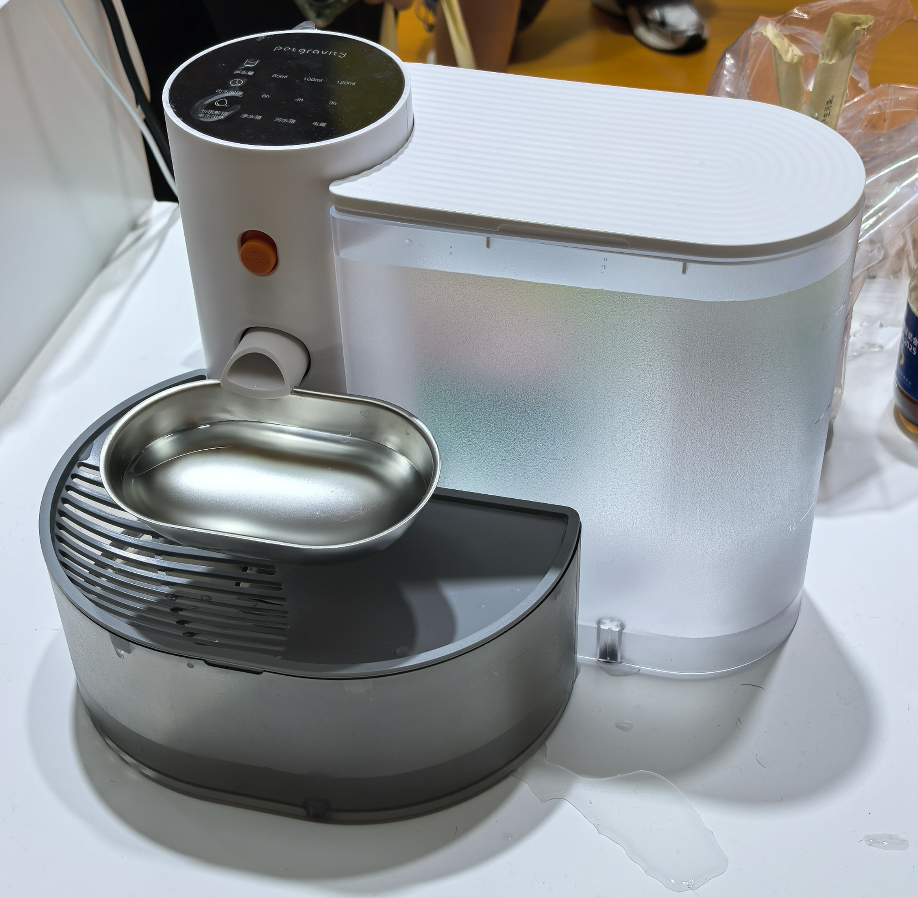
Ningbo Jinchen Intelligent Technology Co., Ltd. was described as a Ningbo-based smart-device producer for feeding and drinking, with small-pet smart products reportedly planned for production later in September. The deck records stated R&D capability, stated electronic certifications and stated BSCI, WCA and GRS audit coverage; it also notes a focus on cross-border and channel business. These are promising signals, not a substitute for documentation. The distinctive strategic angle is the possible extension from cats and dogs into small pets, where specialist routines can create less crowded propositions.
Smart Litter, Drying and Climate-Controlled Care
Guangdong Mengchong Dangdao Technology Co., Ltd. was documented as a Guangzhou-based company with its own brand, “Chongjieshi,” focused on electronic litter boxes and cat litter. The deck characterises the core concept as strong because the device is sold together with its own litter, while noting a premium price position and a brand-led model. This is an important ecosystem signal. Hardware is commercially stronger when it is paired with a recurring consumable, provided the customer value is genuine and the consumable is not merely locked in artificially.
Jiaxing Langquan Pet Intelligent Products Co., Ltd. was listed with intelligent litter boxes, drying boxes and water dispensers, along with stated R&D and electronic-certification capability. The deck suggests it works mainly through private label and cooperates with trading companies, while noting no factory audit. This could suit a private-label programme seeking a broad smart-cat platform, but needs particular scrutiny on tool ownership, firmware control, app data handling, repairability, battery and electrical compliance, packaging protection and post-sale service.
Dongguan Jimi Electrical Appliances Co., Ltd. was documented as producing smart warm/cool cat beds, feeders, air purifiers and electronic toys. The presentation frames these as categories missing from the current assortment and records a domestic-market orientation with no previous foreign-trade contact. The opportunity is genuine differentiation: environmental comfort for pets may become a meaningful subcategory as indoor living, climate stress and premium care converge. The operational risk is high when a domestic device is adapted for Europe. Determine voltage, plug, safety design, material emissions, heat management, user instructions, return handling and technical support before setting a launch date.
Furniture, Rest and Home-Compatible Pet Products
Guangxi Runda Furniture Co., Ltd., with production described in Guangxi and an office in Foshan, was observed with cat trees, tempered-glass cat beds and bentwood cat beds under its own “Peilewu” brand. The presentation notes a professional development team, private-label capacity and novelty in the tempered-glass category, while identifying a domestic-brand focus. This type of supplier reflects a wider trend: pet products are being asked to look more like intentional furniture.
The category should be approached as both a product and a logistics problem. Buyers need to evaluate stability, assembly experience, edge treatment, glass safety, damage rate, carton engineering, replacement parts and photography. A beautiful cat bed that ships poorly cannot support premium margin. Yet if developed correctly, furniture-grade pet products can move the brand conversation from “pet supply” to “home and lifestyle.”
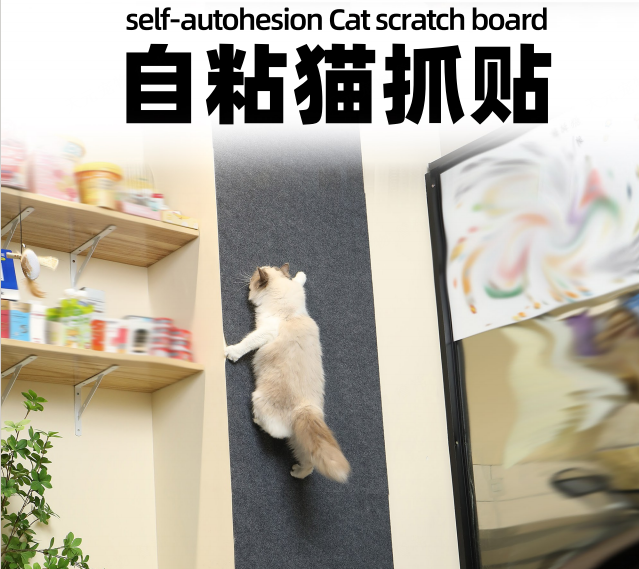
Jinhua Jinhe New Materials Co., Ltd. was described as a Jinhua-based producer of self-adhesive cat scratching boards. The notes indicate small-batch customisation, low MOQs and a value proposition suitable for supermarket customers, while also noting a single-product focus and domestic test reports rather than European standards. This is a classic route-to-market match: a simple, compact, visual item can suit retail programmes, seasonal promotions and entry-price trial. Its success would depend on adhesive performance, substrate safety, pack communication, damage-free removal and a credible replenishment format.
Toys: Material Innovation, Play Patterns and Low-MOQ Flexibility
The deck identifies several toy-oriented prospects. Yuyao Qianqian Pet Products Factory was listed for cat toys, catnip toys and teaser products, with novel designs, stated patents and viral-product source-factory positioning, but no relevant factory audit noted. A separate field note refers to a Nangong production location for felt toys and felt cat beds, with novelty, stated patents, favourable pricing and foreign-trade experience; the presentation’s naming appears inconsistent, so entity identity should be confirmed before outreach.
Huiduoduo Pet Products, with production noted in Yiwu and Henan, was described as offering cat and dog toys, high-end customisation, feather inspection capability, low MOQ and good quality. The source notes also flag a potential follow-up issue where lower-priced products are processed in Henan. That does not rule out the supplier; it simply means a buyer should map the actual production site by SKU and ensure that approval samples, inspection plans and shipment origin match the selected cost tier.
Toy sourcing should be organised by play job rather than by appearance alone: chase, chew, tug, forage, comfort, sensory stimulation, training reward or solo engagement. That framework makes it easier to build a range that shoppers understand and that retailers can merchandise.
Material-Led Toy Opportunity
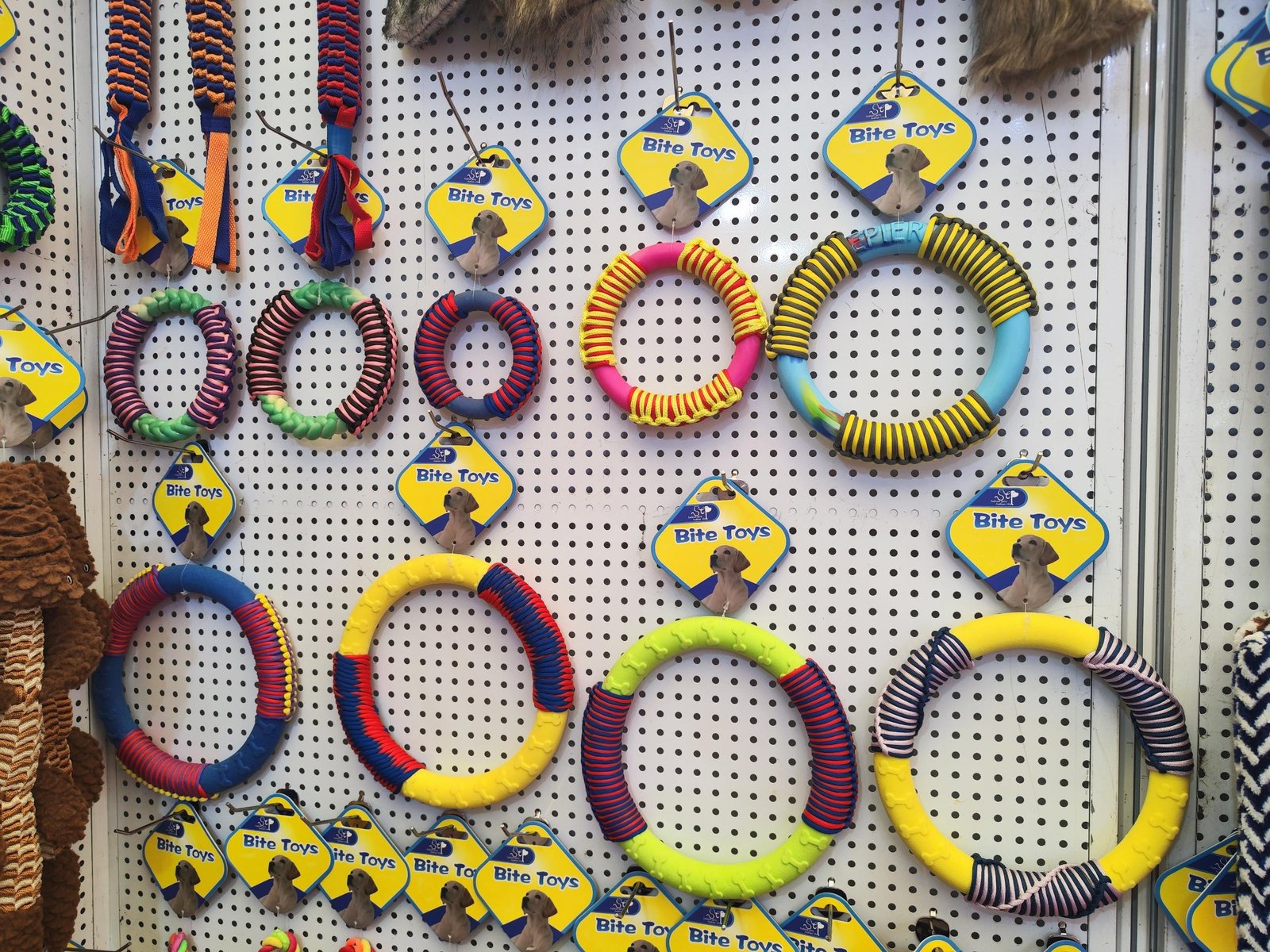
An existing partner, Henan Haidog, was documented with a large dog toy combining foamed EVA and hand-woven rope. The deck positions it as high value for money. This combination illustrates a useful product-development principle: use materials to create perceived complexity and tactile value without multiplying components unnecessarily. Large-dog toys need strong testing protocols for rope retention, chew resistance, dye transfer, odour, breakage and warnings. If the underlying construction performs, the same design language can extend into tug, fetch and water-play variants.
Existing Factories with New Products
The second sourcing lane in the deck is especially important because relationships already exist. Innovation from a known partner often has lower process friction than onboarding a completely new manufacturer—provided the product is evaluated with the same discipline.
- Hangzhou Chong Dingdang was noted for a newly developed wobble-style cat teaser tray. The product concept offers a clear play mechanic and could suit an affordable, content-friendly cat enrichment line.
- Tangshan Jichangbao was associated with smart feeders, water dispensers and intelligent litter boxes. This provides another pathway to examine a multi-device smart-care range, with all the technical validation that entails.
- Chaozhou Changhe was documented with marble-texture slow-feeding bowls. The opportunity is aesthetic differentiation in a simple category. Buyers should assess food-contact materials, glaze durability, weight, slip resistance, dishwasher use and colour variation before converting the visual idea into a retail range.
These examples show why “old factory, new product” should be a formal innovation programme. Existing suppliers often understand communication, packaging expectations and order rhythms. But novelty can create blind spots: a factory that executes proven lines well may not have robust tooling, materials or test methods for a newly developed product. Maintain the same gated sample process used for new suppliers.
Design and Consumer Trends: From Basic Need to Emotional Care
The Pet Economy Is Moving Toward Refined Care
The presentation states that the pet economy is evolving from basic necessity into emotional consumption, while consumer demand is moving from “being fed and cared for” toward refined, more considered pet parenting. The fair imagery supports that interpretation. Products are increasingly presented as designed objects, lifestyle signals and relationship tools.
This does not mean every consumer wants luxury. It means the value equation is changing. Pet parents may pay for convenience, aesthetics, personal expression, enrichment, a cleaner home, reduced uncertainty, a better routine or a more visible demonstration of care. The task for a product team is to translate that emotional value into a specific, credible benefit.
Five Consumer Value Territories
- Comfort: beds, climate-related products, furniture, soft materials and domestic integration.
- Care confidence: fountains, feeders, litter systems, monitoring and maintenance routines.
- Play and enrichment: interactive toys, sensory materials, catnip, puzzle mechanics and social play.
- Identity and gifting: character collections, colour stories, limited editions and seasonal sets.
- Species-specific expertise: products designed around real needs of cats, dogs, birds, small mammals or other companion animals.
A category manager can use these territories to score every concept. Does it solve a visible problem? Is the benefit easy to demonstrate? Does it have a distinctive visual signature? Can it support a family of products? Is it credible for the target species? The best concepts often answer at least three of these questions well.
Technology Is Becoming an Ecosystem, Not a Gadget Category
The deck’s “smart technology fully penetrates” conclusion is supported by the spread of product types documented across suppliers: fountains, feeders, litter systems, smart beds, air devices, drying products and electronic toys. The strategic opportunity is not to add screens to ordinary products. It is to make routines easier, more reliable or more informative.
A smart-pet range should therefore be designed around a care loop:
- set up the device;
- use it confidently every day;
- maintain it with minimal friction;
- replenish the related consumable or spare part;
- receive understandable help when something goes wrong;
- discover adjacent products that improve the same routine.
When a product cannot support this loop, “smart” may only increase returns and support cost. On the other hand, when hardware, consumables, service and content work together, the brand can move from a transaction to an ongoing relationship.
Data, Privacy and Repairability Require Attention
For Europe-facing launches, connected products need commercial and operational design beyond manufacturing. Determine whether the product collects data, where data is processed, what app permissions are requested, how firmware is updated and who owns the software relationship. Also assess repairability: can filters, pumps, cables, bowls, sensors or batteries be replaced? Can customer support identify common faults? These questions are not secondary. They can determine whether a high-value product becomes a repeatable category or an expensive return stream.
Small Pets and Exotic Pets Are a Differentiation Frontier
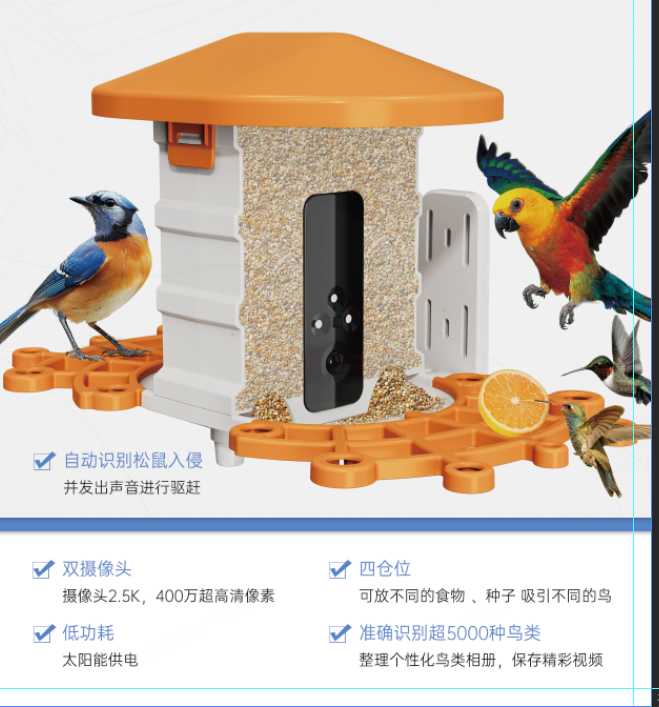
The deck identifies rapid growth potential in small-pet and exotic-pet markets, particularly for birds and other species that may benefit from dedicated smart housing solutions. This should be treated as an opportunity hypothesis, not a reason to rush into an unfamiliar category. Small animals are not miniature cats and dogs. Their environmental, behavioural and safety needs differ substantially.
The most promising approach is specialist collaboration. Work with species experts, welfare advisers, experienced keepers and retailers before finalising a product brief. Develop housing, feeding, enrichment and monitoring as a system, and avoid using “smart” technology where it could create stress, overheating, unsuitable noise or inappropriate confinement.
A Better Brief for Species-Specific Products
A credible small-pet brief should name the animal, life stage, environment, behaviour, welfare constraint, cleaning routine, owner skill level and evidence required before launch. “For small pets” is too broad to guide design or safety. This level of specificity is also a commercial advantage: it helps a brand create authoritative content and avoid generic competition.
Recommended Commercial Actions for European Pet Businesses
Build Series, Not Isolated Products
The presentation recommends series-based, integrated product development and deeper category ownership. That recommendation is commercially sound. A series turns sourcing into an assortment strategy. Instead of buying one smart fountain, create a hydration platform. Instead of one character plush, create a giftable universe. Instead of one slow feeder, create a feeding ritual.
A 12-month product roadmap can be structured in three waves.
| Wave | Objective | Example deliverables |
|---|---|---|
| 1. Validate | Test one focused proposition with real shoppers and selected accounts | samples, user tests, compliance plan, landing page, content prototypes |
| 2. Systemise | Build attachments, refills, accessories and merchandising | accessory family, packaging system, fixture guide, creator assets |
| 3. Scale | Expand by price point, species, channel or seasonal story | premium edition, retailer pack, gift set, localised content, replenishment programme |
Put Sales Insight Ahead of the Supply Chain
The deck recommends that sales teams keep a whole-business view, stay ahead of the supply chain and uncover customer needs fully. This is a critical operating principle. Sales conversations should yield structured insight, not just a request for a lower price or another colour.
Create a standard field-feedback template capturing:
- shopper and buyer pain points;
- category gaps by channel;
- expected retail price and target margin;
- desired packaging and display format;
- compliance and documentation requirements;
- top reasons a comparable product fails to sell;
- likely cross-sell opportunities;
- required delivery window and first-order volume.
This gives product and sourcing teams a much better starting brief. It also makes it easier to decide when an external-sourcing solution is more appropriate than an in-house product.
Operate with a Customer-Solution Mindset
The presentation specifically recommends flexible handling of customer requirements through both owned and externally sourced products, with the goal of solving the customer’s need. This is the right decision rule, provided brand integrity is protected. A flexible product portfolio does not mean indiscriminate reselling. It means choosing the best route—own design, adapted supplier design, licensed product, private label or curated external item—based on customer value, margin, speed and strategic fit.
A useful governance question is: Does this product strengthen the brand’s intended ecosystem, or only fill a short-term catalogue gap? If the answer is the latter, the team should demand a strong commercial reason before proceeding.
A Practical 90-Day Follow-Up Plan
Days 1–30: Capture and score. Consolidate the 43 contacts mentioned in the deck into a single CRM or supplier tracker. Classify them by category, innovation type, commercial fit, technical risk and evidence gap. Request initial documentation only from the highest-priority group. Archive fair photos, product notes and card scans against each record.
Days 31–60: Validate products and factories. Select a limited shortlist for samples. Run a sample scorecard covering functionality, build quality, packaging, user experience, expected landed cost, compliance path, repairability, merchandising potential and content value. Begin the audit and documentation process in parallel rather than after sample approval.
Days 61–90: Build business cases. For the most viable concepts, define target customers, price architecture, channel strategy, packaging requirement, SKU range, forecast, launch content and operational owner. Reject products that cannot establish a defensible value proposition or realistic compliance path. The goal is not to keep every lead warm; it is to convert the best leads into executable category bets.
Conclusion: Build a Pet Ecosystem, Not a One-Hit Catalogue
The central conclusion of this 2025 Asia Pet Fair report is that pet brands are moving from individual product claims toward ecosystem recognition. The presentation expresses this as a transition away from simply selling a bag of food, acquiring one customer or making one blockbuster product. The more durable ambition is to build a pet ecosystem.
That ecosystem can be physical—a device, refill, accessory and service. It can be emotional—a character, design language and pet-parent philosophy. It can be educational—guides, feeding routines, maintenance instructions and welfare-aware content. Most often, it is a combination of all three.
The show materials point to a market where technology, aesthetics, IP, category depth and supply-chain modularity are converging. For European businesses, the winning response is not to chase every trend seen on the fair floor. It is to select a few strategic territories, qualify suppliers rigorously, create integrated product series and communicate a credible point of view about better pet care.
The brands that stand out will be those that make the consumer’s life easier, the pet’s experience better and the product story clearer—across the shelf, the screen, the home and the entire ownership journey.
Explore more expo reports on GlobalPetIndex
GlobalPetIndex publishes on-the-ground expo reports and pet-industry data from the world’s leading trade shows. Continue reading:
- Pet Fair Asia 2026 Expo Report
- PATS 2025 Expo Report
- The One Pet Show (TOPS) 2026 Report
- Global Pet Expo 2026 Report
- Animalis Pet Show 2026 Report
Browse the full Global Pet Industry Events Calendar and the GlobalPetIndex brand directory for thousands of verified pet companies.