Mars Royal Canin Expands Tianjin Plant with Wet Food Capability, Deepening China Manufacturing Commitment
On August 31, 2026, Mars Inc.’s Royal Canin division signed a Memorandum of Understanding (MOU) with the Tianjin Economic-Technological Development Area (TEDA) to expand its existing pet food manufacturing facility with wet food production capability. The expansion adds to a site that already represents approximately RMB 1 billion in cumulative investment, 110,000 square meters, and 250,000-ton annual capacity — signaling continued multinational confidence in the Asia Pacific pet market despite margin pressure facing Chinese domestic pet food manufacturers.
- Company
- Mars Inc. / Royal Canin division
- Location
- Tianjin Economic-Technological Development Area (TEDA), China
- Event Date
- August 31, 2026 (MOU signing)
- Expansion
- Adding wet pet food production to existing dry food + treats facility
- Existing Site
- ~110,000 sqm, ~250,000-ton annual capacity, ~RMB 1 billion cumulative investment
- Source
- Tianjin Radio (天津广播) via Toutiao, August 31, 2026
What Happened
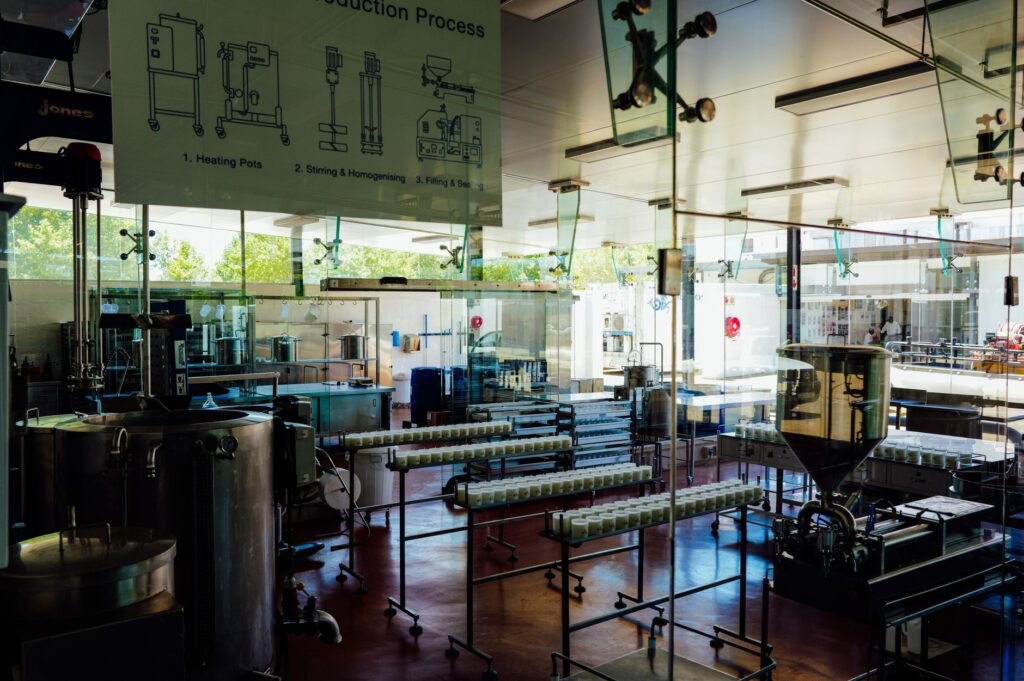
Royal Canin, the premium pet nutrition brand owned by Mars Inc., signed a Memorandum of Understanding with the Tianjin Economic-Technological Development Area (TEDA) to expand its manufacturing facility in Tianjin, China. The expansion will add wet pet food production capability to the existing site, which currently produces dry food and treats. The MOU was reported by Tianjin Radio (天津广播) on August 31, 2026.
The existing Mars Tianjin facility represents approximately RMB 1 billion in cumulative investment, covers roughly 110,000 square meters, and has an estimated annual production capacity of 250,000 tons. Adding wet food capability represents a significant new investment, as wet pet food requires different production lines, cold-chain logistics, and packaging infrastructure compared to dry kibble and treats.
Background
Mars Inc. has been building its China manufacturing presence through the Tianjin facility for several years. The site was originally established to produce dry pet food and treats for the Chinese domestic market, reducing reliance on imported finished products. China’s Ministry of Agriculture and Rural Affairs (MARA) has previously approved Mars/Royal Canin prescription diet imports, indicating the company’s dual-track strategy of both local production and selective premium imports.
China’s pet ownership has been growing steadily, with pet ownership by country data showing China as one of the fastest-growing pet markets globally. The domestic pet food market has seen explosive growth, but H1 2026 earnings from major Chinese manufacturers revealed significant margin pressure: Gambol Pet Care (301498) reported revenue of ¥35.43 billion (+10.01% YoY) but net profit fell 49.57%; Wanpy (002891) reported revenue of ¥32.80 billion (+34.88%) with net profit down 37.63%; and Petasy (300673) saw net profit decline 69.25%.
Industry Context
The wet food expansion at Tianjin reflects a broader industry trend in the Asia Pacific pet market. Premium wet pet food has been gaining market share globally as pet owners increasingly view wet food as more palatable, nutritionally dense, and closer to natural diets. Mars’s decision to localize wet food production in China — rather than relying on imports — positions Royal Canin to capture this growing segment at a lower cost basis.
The investment also has implications for cross-border pet e-commerce. Many Chinese consumers currently purchase imported premium wet pet food through cross-border channels. Local production at Tianjin could shift this demand toward domestically produced Royal Canin wet food, reducing the role of cross-border intermediaries and improving supply chain efficiency.
For the pet market southeast asia and broader APAC region, Mars’s Tianjin expansion signals continued multinational capital deployment. While Chinese domestic manufacturers face margin pressure from raw material costs and foreign exchange headwinds, multinational companies with deep capital reserves are investing in long-term production capacity — a dynamic that could reshape competitive dynamics in the region.
Market & Business Impact
The Tianjin expansion creates a competitive challenge for Chinese domestic pet food manufacturers already facing margin compression. Royal Canin’s localized wet food production can leverage Mars’s global supply chain, quality control systems, and brand equity to offer premium wet food at a lower landed cost than imports — directly competing with domestic brands that have historically been stronger in the wet food segment.
This investment also reinforces the pet products factory trend of multinational localization. Mars’s Tianjin site is one of several major multinational pet food manufacturing investments in China, alongside Nestlé’s operations and domestic expansions by companies like Gambol and Wanpy. The addition of wet food capability may trigger competitive responses from other multinational and domestic manufacturers.
Companies & Brands Involved
- Mars Inc. — Global pet food manufacturer (PEDIGREE, WHISKAS, Royal Canin, IAMS, EUKANUBA). One of the world’s largest privately held companies.
- Royal Canin — Mars’s premium veterinary and breed-specific pet nutrition brand. The Tianjin facility produces Royal Canin products for the Chinese market.
- Tianjin ETDZ — Tianjin Economic-Technological Development Area, a national-level economic zone that hosts numerous multinational manufacturing facilities.
- Gambol Pet Care (301498) — Chinese pet food manufacturer, H1 2026 revenue ¥35.43B (+10.01%), net profit -49.57%.
- Wanpy (002891) — Chinese pet food manufacturer, H1 2026 revenue ¥32.80B (+34.88%), net profit -37.63%.
Data & Evidence
| Metric | Value | Context |
|---|---|---|
| Mars Tianjin Site Area | ~110,000 sqm | Existing dry food + treats facility |
| Annual Capacity | ~250,000 tons | Current production volume |
| Cumulative Investment | ~RMB 1 billion | Through August 2026 |
| New Capability | Wet pet food production | Subject of August 31 MOU |
| Gambol H1 2026 Revenue | ¥35.43B (+10.01%) | Net profit -49.57% |
| Wanpy H1 2026 Revenue | ¥32.80B (+34.88%) | Net profit -37.63% |
Source: Tianjin Radio (天津广播) via Toutiao, August 31, 2026. Background data from Baidu Baike. Full financial terms of the wet food expansion pending official Mars press release.
What This Means
Mars’s Tianjin wet food expansion is a strategic bet on the long-term growth of China’s premium pet food market, even as domestic manufacturers face severe short-term margin pressure. By localizing wet food production, Royal Canin can reduce import logistics costs, improve cold-chain supply chain efficiency, and offer premium products at a more competitive price point — directly challenging domestic brands that have historically dominated the wet food segment.
For the pet products factory landscape, this investment adds another major multinational manufacturing footprint in China. The competitive dynamics between multinational brands (Mars, Nestlé) and domestic champions (Gambol, Wanpy, Petasy) will intensify as all parties invest in production capacity. The margin pressure facing Chinese manufacturers in H1 2026 may limit their ability to match Mars’s capital deployment, potentially widening the competitive gap over the next 2–3 years.
Note: Full financial terms of the wet food expansion (investment amount, timeline, capacity targets) were not available at the time of publication. An official Mars press release is anticipated. This article will be updated when official details become available.
- Mars Royal Canin signed an MOU with Tianjin ETDZ on August 31, 2026, to add wet food production to its existing ~RMB 1B, 110k sqm, 250k-ton pet food manufacturing facility in Tianjin, China.
- The expansion positions Royal Canin to capture China’s growing premium wet food segment with localized production, reducing reliance on cross-border pet e-commerce imports.
- The investment comes despite margin pressure on Chinese domestic pet food manufacturers (Gambol profit -49.57%, Wanpy profit -37.63% in H1 2026), signaling multinational confidence in long-term China pet market growth.
- For the Asia Pacific pet market, Mars’s Tianjin expansion reinforces the trend of multinational capital deployment in localized manufacturing capacity.
- Full financial terms of the wet food expansion are pending an official Mars press release.
What is Mars Royal Canin expanding at its Tianjin facility?
Mars Royal Canin signed a Memorandum of Understanding on August 31, 2026, with the Tianjin Economic-Technological Development Area to add wet pet food production capability to its existing manufacturing facility. The current site, representing approximately RMB 1 billion in cumulative investment, already produces dry pet food and treats with an annual capacity of approximately 250,000 tons across 110,000 square meters.
Why is Mars investing in wet food production in China despite domestic manufacturer margin pressure?
While Chinese domestic pet food manufacturers like Gambol (-49.57% profit) and Wanpy (-37.63% profit) face severe short-term margin pressure from raw material costs and FX headwinds, Mars’s investment reflects a long-term strategic bet on China’s growing premium pet food market. Localizing wet food production reduces import logistics costs, improves supply chain efficiency, and positions Royal Canin to compete directly with domestic brands in the wet food segment where they have historically been stronger.
- Primary — Tianjin Radio (天津广播) via Toutiao, “Mars Royal Canin signs MOU with Tianjin ETDZ for wet food expansion,” August 31, 2026.
- Secondary — Baidu Baike, Mars Tianjin facility background data (site area, investment, capacity).
- Context — Chinese pet food manufacturers H1 2026 earnings: Gambol (301498), Wanpy (002891), Petasy (300673) financial reports.
