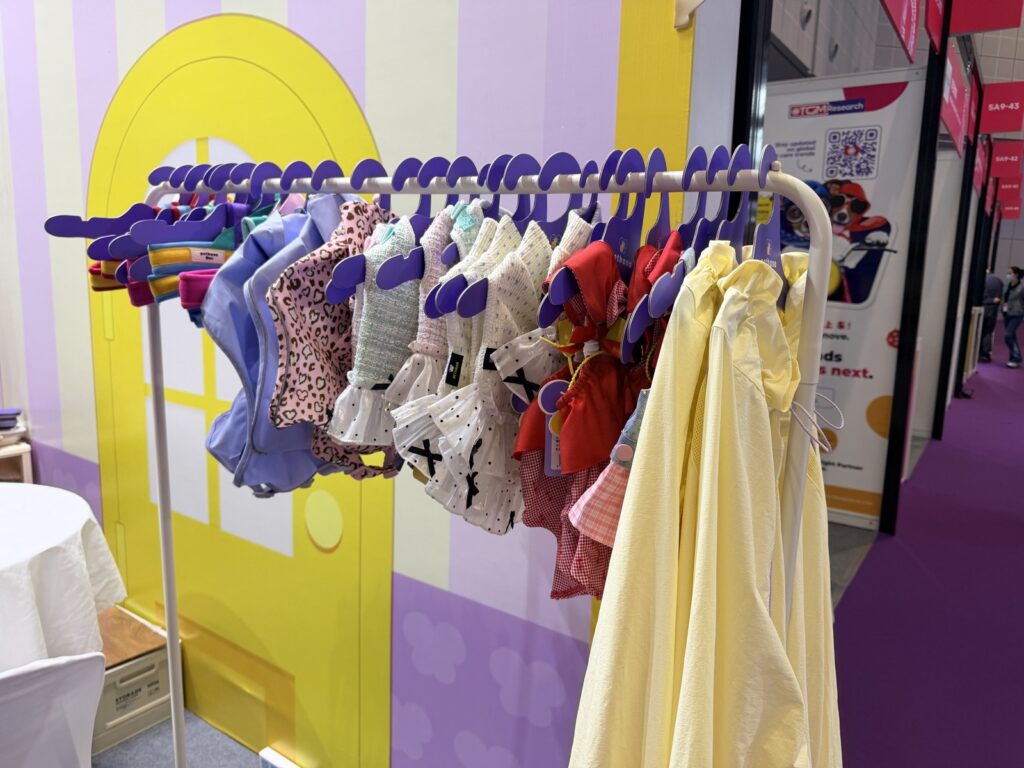
Global PETS reports that 66% of pet companies have direct China supply-chain exposure, and US tariffs on relevant pet goods rose from an average of ~6% to ~35%. The pet industry’s dependence on Chinese manufacturing is now a primary cost and resilience risk for Western brands.
pet china supply chain: key facts
China is the workshop of the global pet industry — from chew toys and grooming tools to supplement inputs, electronics, and flexible packaging converters. Global PETS (2025) puts the share of pet firms with China exposure at 66%, and the US tariff environment has swung average rates from roughly 6% toward 35% on affected lines. For brands built on Chinese contract manufacturing, the question is no longer whether to manage this risk, but how.
How exposed is the pet industry to China?
The 66% figure reflects how deeply Chinese suppliers sit in pet value chains.
- Hard goods: leashes, carriers, crates, automatic litter boxes, and wearables are overwhelmingly sourced from Chinese factories (e.g., PETKIT, a CES-winning Chinese pet-tech leader, sells in 180+ countries).
- Packaging: many flexible retort pouches and mono-material trials are converted in Asia, complicating EU PPWR documentation.
- Supplements and treats: active ingredients, CBD inputs, and functional chews frequently originate in Chinese or regional Asian supply.
- Electronics: GPS collars, cameras, and feeders rely on Chinese component ecosystems.
Only about one-third of pet firms are effectively insulated — typically those with vertically integrated local manufacturing or deliberately nearshored sourcing.
Why did US tariffs on pet goods rise to 35%?
Tariff escalation followed broader US–China trade policy, not pet-specific action.
- Baseline average tariffs on many consumer goods sat near ~6% pre-escalation.
- Successive rounds lifted rates on affected Chinese-origin goods toward ~35% on average, with some lines higher.
- Pet hard goods and inputs were swept in as part of general consumer-product classifications.
- The change is material because pet margins are thin and price sensitivity is high; a 29-point tariff swing cannot be fully absorbed.
Brands that had treated China sourcing as a pure cost optimization were suddenly exposed to double-digit duty shocks.
Which pet categories are most at risk?
Exposure varies by how China-dependent the category is.
- Pet tech (wearables, cameras, feeders, litter robots): highest exposure; Chinese OEM/ODM ecosystems dominate.
- Hard goods (beds, crates, toys, grooming): high exposure; labor-cost advantage keeps production in China.
- Flexible packaging: moderate-to-high; converters in Asia serve global brands, raising PPWR traceability burden.
- Supplements/treats: moderate; ingredient sourcing spans China and wider Asia.
- Domestic wet/dry food: lower direct exposure in Western markets, though packaging and some inputs still touch Asia.
How are pet brands mitigating China supply-chain risk?
Diversification is the dominant strategy, executed in stages.
- China+1 sourcing. Adding Vietnam, India, Thailand, or Mexico suppliers to supplement Chinese base capacity (Thailand’s pet-food export rise is a related signal — see our Thailand export analysis).
- Nearshoring. US brands shift simpler hard goods to Mexico or domestic production to cut tariff and freight risk.
- Inventory buffering. Pre-tariff stockpiling and higher safety stock to smooth cost spikes.
- Supplier diversification. Dual-sourcing critical SKUs to avoid single-country dependence.
- Tariff engineering. Reclassifying products or shifting final assembly to lower-tariff jurisdictions where compliant.
- Price management. Selective pass-through to consumers, tested against the value-sensitive pet owner.
What is the impact on pet prices and margins?
The 6%→35% swing compresses margins and reshapes pricing.
- Margin pressure: a 29-point duty increase on cost-of-goods can erase profitability for low-margin private label.
- Price pass-through: brands raise shelf prices, feeding the broader inflation in US pet spending ($158B in 2025 per APPA).
- Mix shift: retailers favor suppliers who can land tariff-resilient pricing, advantaging diversified manufacturers.
- Innovation drag: smaller brands delay launches constrained by working-capital and duty uncertainty.
How does China exposure intersect with EU PPWR and sustainability?
Two cross-currents meet in Asian supply chains.
- PPWR documentation: EU-bound packs sourced from Chinese converters need PCR traceability and recyclability evidence — harder across borders (see our EU PPWR analysis).
- Sustainability claims: NIQ’s +18.6% sustainable-pack growth (2025) rewards verifiable eco packs; opaque Asian supply undermines the claim.
- Cost conflict: diversifying away from China can raise unit cost, pressuring the very sustainability investments brands want to make.
Brands must solve for tariff, recyclability, and traceability simultaneously — a genuine supply-chain trifecta.
Is “de-risking” from China realistic for pet brands?
Partially. Complete decoupling is neither feasible nor desirable in the short term.
- China’s scale, speed, and ecosystem maturity are unmatched for pet tech and hard goods.
- Full reshoring would raise prices enough to suppress demand in value segments.
- The pragmatic path is balanced multi-country sourcing that caps single-country exposure without abandoning China’s efficiencies.
How did the 6% to 35% tariff swing unfold?
The escalation was staged rather than instantaneous, which is why many brands were caught off guard.
- Baseline (~6%). Pre-escalation average duties on broad consumer goods, including many pet items, sat near 6%.
- Section-based rounds. Successive US trade actions layered additional tariffs on Chinese-origin classifications, some exceeding 25% on top of base rates.
- Blended average (~35%). For affected pet hard goods and inputs, the effective average approached 35% once rounds compounded.
- Exemptions churn. Periodic exclusions created uncertainty; brands could not rely on stable rates for planning.
- Pass-through lag. Many held price increases initially, compressing margins before reluctantly raising shelf prices.
The volatility mattered as much as the level: unpredictable duties make inventory and launch planning risky.
What does China exposure mean for pet-food safety and traceability?
Beyond cost, concentration creates oversight challenges.
- Ingredient provenance. Treat and supplement inputs sourced across Asia need documented origin to satisfy regulators.
- PPWR traceability. EU-bound packs from Chinese converters must prove PCR content and recyclability (see EU PPWR analysis).
- Recall exposure. Single-source dependencies raise the blast radius of any contamination event.
- Audit burden. Brands must police distant factories for quality and labor standards, raising compliance cost.
- Diversification as control. Spreading supply reduces both tariff and safety concentration risk simultaneously.
Resilience and traceability are therefore two sides of the same China-risk management program.
What is the 2030 outlook for China pet supply exposure?
The trajectory points to managed, not eliminated, dependence.
- China+1 matures. Vietnam, India, Thailand, and Mexico absorb incremental volume, but China retains the bulk of complex hard goods.
- Tariff normalization uncertain. Rates could ease or rise with policy; brands must model both scenarios into pricing.
- Friend-shoring incentives. Western policymakers may further encourage non-China sourcing, accelerating diversification.
- China’s own pet market grows. Domestic APAC demand (China ¥312.6B urban spend, 2025) keeps Chinese capacity busy locally, not just for export.
- Resilience as strategy. The 66% exposure figure becomes a KPI boards track, with dual-sourcing the new normal.
The end state is a multi-node supply web where China remains central but no longer single points of failure.
Related reading
- EU PPWR 2025: Pet Packaging Rules Reshaped
- Sustainable Pet Packaging: +18.6% Sales Lift
- Thailand Pet Food Export Growth: +25%
FAQ
Q: What share of pet firms have China supply-chain exposure?
A: Global PETS (2025) reports 66% of pet companies have direct China supply-chain exposure.
Q: How high did US tariffs on pet goods go?
A: Average tariffs on affected Chinese-origin pet goods rose from about 6% to about 35% under broader US–China trade policy.
Q: Which pet categories are most China-dependent?
A: Pet tech, hard goods (beds, crates, toys), flexible packaging, and supplement/treat inputs carry the highest exposure.
Q: How are brands reducing China risk?
A: China+1 sourcing (Vietnam, India, Thailand, Mexico), nearshoring, inventory buffering, dual-sourcing, and selective price pass-through.
Q: Is full decoupling from China realistic?
A: Not short-term. China’s ecosystem is unmatched; the pragmatic path is balanced multi-country sourcing that caps single-country exposure.
Sources
- Global PETS, 2025 — 66% of pet companies have China supply-chain exposure; US tariffs on affected pet goods rose from ~6% to ~35%.
- APPA, 2025 — US pet expenditure reached $158B in 2025, contextualizing price-pass-through impact.
- NIQ (NielsenIQ), 2025 — Sustainability-claimed pet products grew +18.6%, rewarding verifiable eco packs.
- Global PETS / Ken Research, 2025 — Thailand pet-food exports rose +25% (Aug 2024), exemplifying China+1 diversification.
