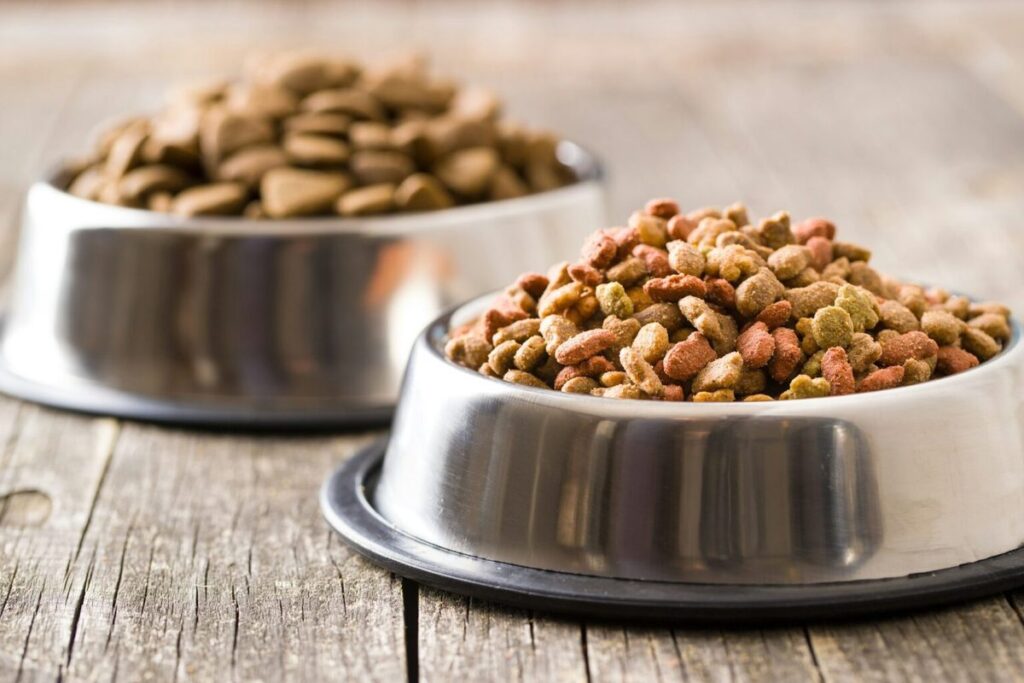
High Protein Dog Food Trial Shows Cats and Dogs Prefer Microbial Protein Kibble
Executive Summary: A PLOS One study published on September 23, 2026, found that dogs and cats preferred kibble containing 10% microbial protein over standard animal-protein kibble in a two-day, in-home trial. Dogs ate 72% of the microbial-protein kibble versus 50% of the standard kibble; cats ate 51% versus 34%. The trial was funded by MicroHarvest but designed and conducted by the independent research organization Sense Test, with analytical characterization by Eurofins Food Testing Portugal.
Key Facts
- Study
- “Microbial Protein as a novel ingredient in pet food: A food preference study in dogs and cats”
- Journal
- PLOS One, 21(9), e0356767
- Publication date
- September 23, 2026
- Funder
- MicroHarvest Unipessoal Lda.
- Independent trial design
- Sense Test
- Analytical characterization
- Eurofins Food Testing Portugal
- Participants
- 30 dogs and 30 cats in their own homes
- Design
- Two bowls served simultaneously for four consecutive meals over two days
- Microbial protein inclusion
- 10%, replacing fish meal and part of poultry meal
- Dog preference
- 72% of microbial-protein kibble vs 50% of standard kibble consumed
- Cat preference
- 51% of microbial-protein kibble vs 34% of standard kibble consumed
- Source
- PLOS One + independent research press release
What Happened
Researchers at MicroHarvest, a Portuguese fermentation-based ingredient company, published a palatability study in PLOS One on September 23, 2026, testing whether dogs and cats would accept kibble made with microbial protein. The trial replaced fish meal and part of the poultry meal in a dry extruded diet with 10% microbial protein, leaving the rest of the formulation nearly identical to the control.
Thirty dogs and thirty cats were fed both bowls simultaneously in their own homes for four consecutive meals across two days. Dogs consumed about 72% of the microbial-protein kibble and 50% of the standard kibble. Cats consumed about 51% of the microbial-protein kibble and 34% of the standard kibble. Both species were more likely to approach and eat the microbial-protein kibble first.
The in-home trial and statistical analysis were designed and run by Sense Test, an independent research organization. Analytical characterization of the diets was performed by Eurofins Food Testing Portugal. The study was funded by MicroHarvest, and two of the authors are MicroHarvest employees.
Background
Microbial proteins are produced by fermenting microorganisms such as bacteria, yeast or fungi. They have been proposed as a way to reduce the environmental footprint of pet food while maintaining amino acid quality. Earlier work showed that microbial proteins can be nutritious, but consumer acceptance depends on whether pets will actually eat the diets.
The study positions microbial protein as a possible ingredient for high protein dog food and high protein cat food formulations, because the ingredient is concentrated in protein and can replace part of the fish and poultry meal without diluting overall protein content. Pet food makers have been watching fermentation-derived ingredients as a way to diversify protein sources beyond conventional meat, fish and plant concentrates.
Industry Context
Interest in microbial, insect and plant proteins is growing as part of pet sustainability and eco friendly pet products discussions. The pet industry’s protein supply chain faces pressure from feed-grade fishmeal costs, poultry by-product markets and consumer concerns about land and water use. Microbial fermentation can produce protein in closed systems with smaller land and water footprints than conventional animal agriculture.
However, palatability is a hard gate. A premium dog food or high protein cat food recipe can score well on digestibility and amino acid balance but fail commercially if pets reject the bowl. The PLOS One result suggests that at least one microbial protein ingredient can clear the initial preference hurdle in both dogs and cats, though the authors note that longer-term palatability and health outcomes still need study.
Market & Business Impact
If larger trials confirm the finding, microbial protein could move from a niche ingredient to a standard option in premium and eco friendly pet products. Brands marketing sustainability claims could use the ingredient to support both protein content and environmental narratives. The 10% inclusion rate is low enough that it would function as a partial replacement rather than a wholesale change in recipe architecture.
For ingredient suppliers, the study is a proof point that can be shown to pet food manufacturers evaluating novel protein sources. For competitors in the insect and plant-protein space, it raises the competitive bar on palatability data. Investors in the alternative-protein sector are likely to cite the result as evidence that pet food is a viable first market for fermentation-derived proteins.
Companies & Brands Involved
MicroHarvest Unipessoal Lda., based in Lisbon, Portugal, funded the study and supplied the microbial protein. Sense Test, an independent research organization, designed and conducted the in-home palatability trial. Eurofins Food Testing Portugal performed the analytical characterization of the experimental diets. The journal PLOS One published the peer-reviewed article on September 23, 2026.
Data & Evidence
Publication: Motta de Matos, A. & Cruz, A.L.B. (2026). Microbial Protein as a novel ingredient in pet food: A food preference study in dogs and cats. PLOS One, 21(9), e0356767. DOI: 10.1371/journal.pone.0356767. Participants: 30 dogs, 30 cats. Setting: in-home, two bowls presented simultaneously for four consecutive meals over two days. Microbial protein inclusion: 10%, replacing fish meal and part of poultry meal. Dog consumption: 72% microbial-protein kibble vs 50% standard kibble. Cat consumption: 51% microbial-protein kibble vs 34% standard kibble. Trial design and statistics: Sense Test. Analytical characterization: Eurofins Food Testing Portugal. Funder: MicroHarvest Unipessoal Lda.
What This Means for the Pet Industry
The study does not prove that microbial protein is nutritionally superior or that pets will continue to prefer it over longer periods. It does show that a fermentation-derived protein can be formulated into a dry diet that both dogs and cats choose more readily than a control diet in a short-term preference test. For an industry looking for lower-impact protein options, that is a meaningful first barrier cleared.
Regulators and formulators will want to see follow-up data on digestibility, amino acid bioavailability, long-term palatability and tolerance before microbial protein becomes common in high protein dog food or high protein cat food lines. Until then, the result is best read as a promising signal rather than a market-ready conclusion.
Key Takeaways
- A PLOS One study published September 23, 2026, found dogs and cats preferred kibble containing 10% microbial protein over standard kibble.
- Dogs ate 72% of the microbial-protein kibble versus 50% of the standard kibble; cats ate 51% versus 34%.
- The trial was designed and conducted by independent Sense Test, with Eurofins performing analytical characterization.
- MicroHarvest funded the study and two authors are company employees.
- Long-term palatability and health outcomes still require further research.
Frequently Asked Questions
What is microbial protein?
Microbial protein is protein produced by fermenting microorganisms such as bacteria, yeast or fungi. It can be used as an ingredient in pet food and has been proposed as a lower-impact alternative to some animal proteins.
Did the study prove microbial protein is healthier?
No. The study measured short-term food preference, not long-term health or nutrition outcomes. The authors say more research is needed.
Why does palatability matter for eco friendly pet products?
A more sustainable ingredient only works commercially if pets will eat it. The study suggests microbial protein can be formulated into a dry diet that both dogs and cats prefer over a control in a short-term test.
Could microbial protein replace meat in high protein dog food?
At a 10% inclusion rate it can replace part of the fish and poultry meal while maintaining protein levels. Whether it can fully replace meat would require additional formulation and feeding studies.
Sources
- Primary — Motta de Matos, A. & Cruz, A.L.B. (2026). Microbial Protein as a novel ingredient in pet food: A food preference study in dogs and cats. PLOS One, 21(9), e0356767. https://doi.org/10.1371/journal.pone.0356767
- Secondary — eFeedLink, “Study finds cats and dogs prefer kibble with microbial protein over standard animal-protein kibble,” September 23, 2026
- Secondary — Scimex, “Your cat or dog might prefer food made from fermented microbes,” September 23, 2026
- Secondary — WorldProgramming, “Kibble with microbial proteins appeals to cats and dogs in new study,” September 23, 2026
