Variety-value retail runs on treasure-hunt assortment, and TEDi is where pet accessories and closeout lines find a fast, high-turn home.
TEDi: A Variety-Value Channel
- Founded: 2004; the first TEDi store opened in Hagen, Germany (the name stands for “Top Euro Discount”).
- Founder / owner: Behind TEDi is entrepreneur Jost-Stefan Heinig; the business began as a Tengelmann subsidiary and is now independently owned.
- Headquarters: Dortmund, Germany.
- Chief Executive: Petar Burazin (CEO since September 2023).
- Scale / Revenue: Gross sales exceeded EUR 3 billion for the first time in the 2024/25 financial year (ended 30 April 2025).
- Stores: More than 3,500 stores across 15 European countries; over 400 new stores opened in the 2024/25 year.
- Workforce: More than 36,000 employees across Europe.
- Product range: Approximately 15,000 items spanning household, DIY, toys, stationery, gifts, decoration, seasonal goods and pet supplies; over 3,000 items priced at EUR 1.00 or less.
- Growth target: 5,000 stores planned by the company’s 25th anniversary in 2029.
| Metric | FY2024/25 Result |
|---|---|
| Gross sales | > EUR 3.0 billion (record) |
| Stores (year-end) | > 3,500 in 15 countries |
| New stores opened | > 400 in the year |
| Employees | > 36,000 |
| Items at EUR 1.00 or less | > 3,000 |
Treasure-Hunt Assortment
TEDi is a non-food variety discounter focused on extreme price and constant novelty. Stores carry about 15,000 items, of which more than 3,000 cost EUR 1.00 or less, and the assortment is refreshed continuously with seasonal and trend-driven products. Unlike a grocery discounter, TEDi is almost entirely non-food, which makes it a natural home for pet accessories, toys, grooming items, feeding bowls, bedding and seasonal pet merchandise rather than pet food.
The buying logic is fundamentally cost-led. TEDi, like its German variety peers, imports the bulk of its goods from China and other low-wage countries, and the supplier that can deliver the lowest landed cost wins the listing. The chain rewards vendors who can supply standardized, high-volume, easily replicated products and who tolerate thin margins in exchange for enormous volume. Because most TEDi stores sit in shopping centres and pedestrian zones, footfall and impulse purchasing drive the model, and suppliers are expected to support that with eye-catching, low-price items.
TEDi’s buying is concentrated in Dortmund and run by category teams that trawl global markets for the next low-cost novelty, so the supplier’s job is less brand-building and more cost engineering and speed. The treasure-hunt rhythm means ranges turn over constantly: a pet item that sells well one season can be delisted the next if a cheaper or trendier substitute appears, so suppliers should expect short, renewable programmes rather than permanent fixtures. This favours agile factories that can prototype quickly and ride demand spikes. Because TEDi is almost wholly non-food, it avoids the cold-chain and feed-registration burden of grocery discounters, which lowers the compliance hurdle for pet accessories and makes it an accessible first European discounter for Asian general-merchandise exporters.
Pet as Impulse and Adjacency
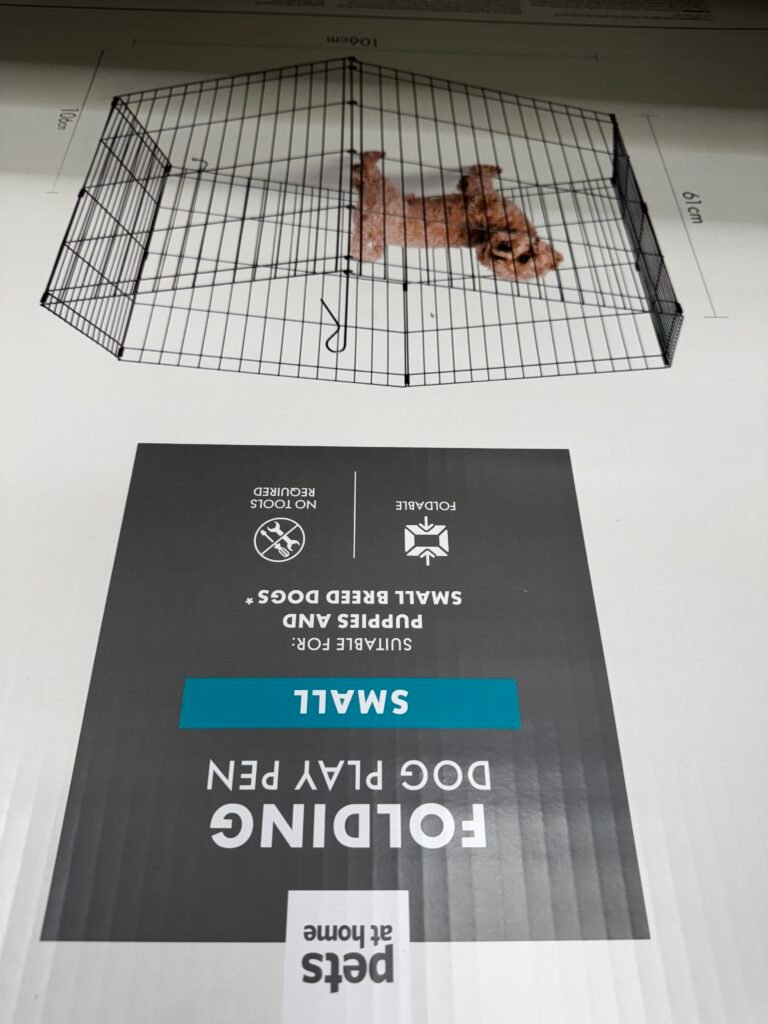
Pet supplies are an established part of TEDi’s range. The chain sells pet accessories, toys, care items and seasonal pet products alongside its household and hobby lines, and the value-seeking, impulse-driven TEDi shopper is highly receptive to inexpensive pet novelties. Pet food is less central than at grocery discounters, but accessories, chews, toys, collars, leads, bedding and seasonal costumes all fit the format perfectly.
For suppliers, TEDi is an excellent account for high-volume, low-price pet accessories and for the rotating “surprise” pet items that feed the treasure-hunt experience. The barrier to entry is lower than at Aldi or Lidl in terms of brand-building, but the cost bar is unforgiving: only the most competitive factories get on the shelf. Suppliers with Chinese or Southeast Asian production bases are particularly well positioned.
Within pet, TEDi’s sweet spot is the sub-EUR price points and the EUR 1.00 tier, where chews, balls, brushes, collars and small beds sell as impulse gifts and top-up buys. Seasonal pet costumes and holiday lines perform strongly around Carnival, Halloween and Christmas, and the “Barenland” family concept gives pet items an adjacent destination. Suppliers should design items that read clearly at a glance from the shelf, ship flat or nested to save freight, and survive a brutal opening price point. Pet food is marginal at TEDi, so suppliers with a food proposition are better aimed at grocery discounters, while accessory and novelty makers will find TEDi’s format most forgiving.
Closeout and Supplier Flexibility
- Cost primacy: TEDi selects on landed cost above almost everything else; suppliers must demonstrate a genuine cost advantage and the ability to hold or reduce price over time.
- Volume and standardization: Products should be simple to manufacture at scale, with stable quality across very large runs.
- Compliance baseline: As a European retailer, TEDi requires CE marking, REACH and general product-safety compliance for relevant items, plus acceptable factory labour standards (BSCI/Sedex-aligned expectations are increasingly normal).
- Speed and flexibility: The continuous assortment refresh means suppliers must turn samples and production quickly and absorb demand spikes.
- Packaging and presentation: Items must be retail-ready, visually appealing at shelf, and compliant with EU packaging and labelling rules.
- How to approach: TEDi buys centrally from its German headquarters, so suppliers should engage the central purchasing organisation with a low-price, compliance-ready pet accessory proposal and proof of high-volume manufacturing capability. References from other European variety discounters strengthen the case.
2024-2026 Store Growth
- Record sales: In its 20th-anniversary year (ended 30 April 2025), TEDi surpassed EUR 3 billion in gross sales for the first time in its history.
- Fastest-ever expansion: The company opened more than 400 new stores in the year, maintaining a pace of more than one new European location per day.
- Acquisitions: Growth was boosted by the successful acquisition and rapid integration of Pfennigpfeiffer and Bristol branches in Germany and Belgium.
- Rebranding: TEDi launched a Europe-wide store rebranding with a new layout and trendier product range, including a “Barenland” children’s and family concept, rolling out through the 2026 financial year.
- Outlook: Management reaffirmed the target of 5,000 stores by 2029 and planned continued daily new-store openings in 2025/26, with store anniversaries in Poland (300th), Austria (200th), Croatia and France (100th each).
The Value-Tier Pet Playbook
TEDi is an ideal “first big discounter” for pet-accessory and novelty suppliers that have strong Asian cost structures but may not yet meet the heavier private-label and compliance burdens of Aldi or Lidl. The trade-off is brutal price pressure in exchange for very large, fast-growing volume. Suppliers should lead with their most cost-competitive pet items, ensure CE/REACH and basic social-compliance readiness, and demonstrate the ability to scale production and ship retail-ready goods quickly.
For exporters, the clearest route is to lead with the most cost-competitive, CE- and REACH-compliant pet accessories and novelties, supported by retail-ready packaging and proof of high-volume Asian manufacturing. Build a cost model that absorbs TEDi’s repeated price pressure, secure basic factory audits, and prepare to scale production fast as the 5,000-store target approaches. A TEDi win is also a reference: suppliers can use the volume track record to step up to the stricter private-label discipline of Aldi, Lidl or Pepco once capacity and compliance mature.
The practical steps are to (1) identify a tight range of low-price pet accessories and novelties, (2) build a cost model that survives TEDi’s margin expectations, (3) secure baseline EU compliance and factory audits, (4) prepare retail-ready packaging, and (5) approach TEDi’s central buying team with a high-volume proposal. Suppliers that win here can use the reference to graduate to the more demanding private-label discounters later.
— Scott Zhu, Founder, GlobalPetIndex
Sources & Related Reading
Related on GlobalPetIndex
- More Market Intel: Retail Channel
- Global Pet Brand Directory
- Aldi: The Transatlantic Hard Discounter and Its Heart to Tail Pet Strategy
- Lidl: Schwarz Group’s Discount Powerhouse and Its Orlando and Coshida Pet Brands
- Kaufland: A Central and Eastern European Hypermarket Gateway for Pet Suppliers
