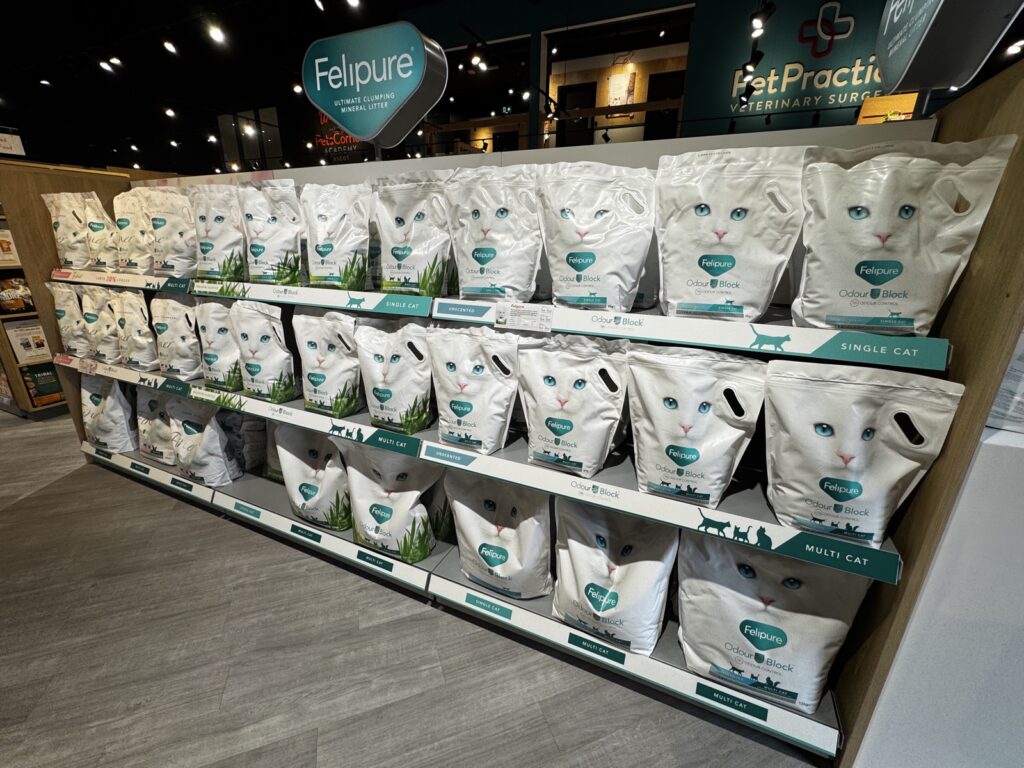
Packaged Facts identifies a “cat renaissance” in which 82% of cat owners view food as a health decision and 39% feel like “second-class” pet parents versus dog owners. Cats are shifting from overlooked to a premium, health-led, fast-growing segment of the pet economy.
About the cat economy trend
For decades, dogs dominated pet-industry attention — more SKUs, more marketing, more clinic focus. Packaged Facts (2025) argues that is reversing in a “cat renaissance,” documented alongside the explosive growth of communities like owner forums (8.6M members). Two statistics frame it: 82% of cat owners treat food as a health choice, and 39% feel cats get second-class treatment versus dogs. The implication for brands and investors is clear — the cat economy is under-served and ripe for premium expansion.
What is the “cat renaissance” in pet trends?
The cat renaissance describes the convergence of rising cat households, premiumization of cat care, and a community-driven advocacy for feline-specific products.
- Household shift. Cats now rival or exceed dogs in many urban markets, favored for lower space and care intensity.
- Premium awakening. Owners apply the same humanization standards to cats that dogs enjoyed first — fresh, natural, functional.
- Community voice. Large online cat communities surface unmet needs (urinary health, hydration, litter monitoring) and pressure brands to respond.
- Retail catch-up. The 39% who feel “second-class” signal a gap retailers and brands are starting to close with cat-first innovation.
Why do 82% of cat owners view food as health?
The 82% figure reflects how cat biology and owner education intersect.
- Obligate carnivores. Cats require animal protein and specific nutrients (taurine, arachidonic acid); owners learn food is medicine.
- Chronic conditions. Obesity, urinary issues, and kidney disease are common in cats, making diet a management lever.
- Humanization overlap. The pet humanization trend (43.6% prioritize pet food health over their own, 2025) flows strongly into cat feeding.
- Wet-food advocacy. Vets and communities push moisture-rich diets for hydration, reinforcing food-as-health thinking.
- Label literacy. Cat owners increasingly read feeding trials and WSAVA-compliant brands (Royal Canin, Hill’s, Purina Pro Plan).
Why do 39% of cat owners feel “second-class”?
The second-class sentiment exposes a real product gap.
- Dog-centric innovation. Telehealth, insurance, wearables, and clinics historically targeted dogs first.
- Fewer cat-specific formats. Treats, supplements, and functional chews skew canine in assortment.
- Veterinary bias. Feline-only clinics are rare; cat-friendly handling is still uneven in mixed practices.
- Nutrition gaps. Despite 82% health-focus, many lines under-serve senior, urinary, and weight needs.
- Community correction. The 39% are precisely the audience driving cat-first brands (Smalls, Butternut Box’s Marro, Tiki Cat) upward.
How big is the cat food market in the cat renaissance?
Cat food is a high-growth pocket of pet food.
- Estimates range: Report Prime values the cat food market at $32.55B (2025), while Fortune Business Insights sizes it at $45.45B — divergence itself signals rapid re-estimation as the segment heats up.
- Cat food CAGR (~6%) outpaces dog food (~3.8%) per Euromonitor (2025), a core reason the renaissance matters to investors.
- Premium and fresh cat formats (Smalls reaching ~$100M revenue in 2025; Butternut Box launching cat brand Marro) are the fastest risers.
Which cat categories are winning the renaissance?
Momentum clusters in health-led, cat-specific formats.
- High-moisture wet food (Tiki Cat, Royal Canin) for hydration and palatability.
- Fresh and human-grade cat meals (Smalls, Marro by Butternut Box) for the 82% health-minded.
- Urinary and kidney prescription diets (Royal Canin Urinary SO, Hill’s) for chronic management.
- Litter innovation — auto boxes with health monitoring appeal to data-driven cat parents.
- Functional supplements — calming, joint, and urinary support in cat-appropriate doses.
How does the cat renaissance affect retailers and brands?
Strategic takeaways:
- Assortment rebalance. Retailers expand cat-first sets to convert the 39% second-class sentiment into loyalty.
- Marketing shift. Campaigns center feline-specific needs rather than dog-derived assumptions.
- DTC opportunity. Cat-only DTC (Smalls) proves focused niches scale without mass retail.
- Cross-sell. Insurance and telehealth providers build cat-specific products to close the gap.
What are the risks to the cat renaissance thesis?
Caveats for operators:
- Smaller basket size. Cats consume less per capita than dogs, capping absolute spend versus canine lines.
- Lower service attachment. Cats visit vets less, limiting clinic and insurance cross-sell.
- Claim fatigue. As brands rush in, differentiation requires real efficacy, not cat-themed packaging.
How does the cat renaissance reshape cat health and vet care?
The 82% health-view is changing clinical and product dynamics.
- Preventive feeding. Owners use diet to manage weight, urinary, and kidney risk before symptoms appear.
- Feline-friendly care. The 39% second-class sentiment pushes clinics toward cat-specific handling and Fear Free methods.
- Monitoring tech. Auto litter boxes that track urine volume and frequency (useful for FIC) answer data-driven cat parents.
- Insurance gap. Cats are under-insured versus dogs; humanized owners are starting to close it as premiums rise.
- Telehealth fit. Cats visit vets less, so remote triage suits the species’ low-visit norm.
The renaissance thus pulls cat care from reactive to proactive, mirroring dogs’ earlier premiumization.
What opportunities does the cat renaissance create for brands?
Concrete white space for operators:
- Cat-first fresh meals. Smalls (~$100M, 2025) and Butternut Box’s Marro prove focused cat DTC scales.
- Urinary and kidney lines. Chronic feline conditions need dedicated, vet-backed formulas.
- Hydration products. Fountains and wet-led feeding answer the moisture-health concern.
- Litter health tech. Monitoring boxes convert the 39% grievance into a loyalty product.
- Community marketing. owner forums (8.6M) is a primary discovery channel brands must engage authentically.
The cat economy is no longer the dog economy’s smaller sibling — it is a distinct, under-served, high-growth market.
How are retailers and clinics responding to the cat renaissance?
The market is adapting to close the 39% second-class gap.
- Cat-first sets. Pet specialty and e-commerce expand feline assortments in food, litter, and enrichment.
- Feline-certified care. More clinics pursue cat-friendly certification and low-stress handling to win the 82% health-minded.
- Insurance products. Providers launch cat-specific plans as humanized owners seek parity with dogs.
- Community engagement. Brands show up in owner forums (8.6M) and vet-cat channels with education, not just ads.
- In-store experience. Quieter cat zones and species-specific advice counter the second-class sentiment at point of sale.
The response is still early; the gap is the opportunity, and first movers capture loyal cat-parent share.
Related reading
- Pet Humanization Trend: 43.6% Prioritize Pet Health
- Cat Food Market Size: $32.5B–$45.5B
- Smalls Cat Food Revenue: ~$100M
FAQ
Q: What is the cat renaissance?
A: Packaged Facts (2025) describes a cat renaissance where cats shift from overlooked to a premium, health-led, fast-growing pet segment.
Q: What share of cat owners view food as health?
A: 82% of cat owners view food as a health decision, per Packaged Facts (2025).
Q: Why do 39% of cat owners feel second-class?
A: They perceive dog-centric innovation, fewer cat-specific products, and uneven veterinary handling versus dogs.
Q: How fast is the cat food market growing?
A: Cat food CAGR (~6%) outpaces dog food (~3.8%) per Euromonitor (2025); size estimates span $32.5B–$45.5B.
Q: Which cat categories are winning?
A: High-moisture wet food, fresh/human-grade meals, urinary/kidney diets, smart litter, and cat-specific supplements.
Sources
- Packaged Facts, 2025 — “Cat renaissance”: 82% of cat owners view food as health; 39% feel like second-class pet parents.
- Reddit (owner forums), 2025 — Community scale (8.6M members) evidences cat-owner advocacy and unmet-need signaling.
- Euromonitor, 2025 — Cat food CAGR (~6%) outpaces dog food (~3.8%); global pet care ~$207B in 2025.
- Report Prime / Fortune Business Insights, 2025 — Cat food market estimates of $32.55B and $45.45B respectively.
- LinkedIn (Smalls, Butternut Box), 2025 — Smalls ~$100M cat-fresh revenue; Butternut Box launched cat brand Marro.
