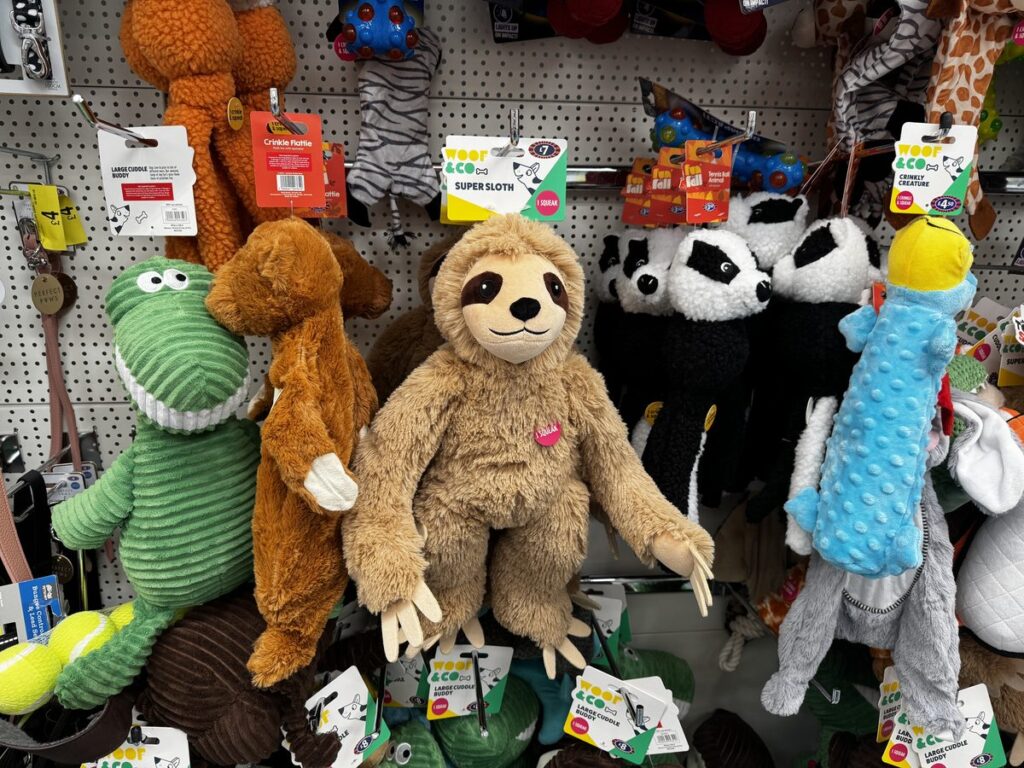
Cats are natural hunters with complex cognitive and physical needs. In indoor environments, these needs often go unmet, leading to boredom, obesity, and behavioral problems. Interactive cat toys bridge the gap between domestic life and natural hunting instincts, providing essential mental stimulation and physical exercise. This guide covers every type of interactive cat toy and helps you build an enriching environment for your feline companion.
interactive cat toys: key facts
Why Interactive Play Matters for Cats
The Indoor Cat Problem
Indoor cats live longer, safer lives but face unique challenges:
- Lack of hunting opportunities: No prey to stalk, chase, and capture
- Limited territory: Indoor spaces restrict exploration
- Reduced physical activity: No climbing, running, or patrolling
- Mental understimulation: Predictable environments reduce cognitive engagement
- Social isolation: Many cats live without feline companionship
Consequences of Inadequate Enrichment
Without sufficient interactive play:
- Obesity: 60% of indoor cats are overweight or obese
- Behavioral issues: Destructive behavior, excessive vocalization, aggression
- Stress-related illness: Urinary issues, overgrooming, gastrointestinal problems
- Cognitive decline: Reduced problem-solving ability in senior cats
- Depression: Lethargy, decreased appetite, social withdrawal
Benefits of Interactive Play
- Satisfies predatory sequence: stalk, chase, pounce, catch, bite, kill, eat
- Provides cardiovascular exercise
- Strengthens the human-cat bond
- Reduces stress and anxiety
- Prevents boredom and associated behavioral problems
- Maintains healthy weight
- Supports cognitive function throughout life
Understanding the Feline Hunting Sequence
The Complete Predatory Sequence
Toys should simulate the complete hunting experience:
- Searching: Locating prey (hide-and-seek toys, foraging)
- Stalking: Slow, deliberate approach (wand toys, slow-moving targets)
- Chasing: Burst of speed after fleeing prey (laser pointers, fast-moving toys)
- Pouncing: Leap onto prey (pouncing toys, toys that dart)
- Catching: Grabbing and holding (toys that can be grasped)
- Killing: Bite and dispatch (toys that can be bitten and kicked)
- Eating: Consuming the catch (food-dispensing toys)
Why the Full Sequence Matters
Many cat toys only provide the chasing component. If cats never reach the catching and “killing” phase, they can become frustrated. This is why laser pointers alone can cause stress — the cat chases but never catches. Always end laser play sessions by directing the beam to a physical toy the cat can catch.
Types of Interactive Cat Toys
1. Wand and String Toys
Description
The most fundamental interactive cat toy. A wand with an attached string and prey-like object at the end.
How to Use
- Mimic prey movement: darting, hiding, fluttering
- Vary speed and direction unpredictably
- Allow catches periodically to prevent frustration
- End sessions with the cat “catching” the toy
Prey Attachments
- Feather wands: Simulate birds (fluttering, flying motion)
- Fur/leather attachments: Simulate rodents (ground-level darting)
- String-only wands: Simulate insects (erratic, aerial movement)
- Bell attachments: Add auditory stimulation
Best For
- Bonding through play
- Cats of all ages and activity levels
- Simulating the full hunting sequence
- Aerobic exercise
Considerations
- Supervised use only (string ingestion risk)
- Store out of reach when not in use
- Replace worn attachments to prevent choking
- Not for unsupervised play
2. Food-Dispensing and Puzzle Toys
Description
Toys that release food or treats when manipulated, combining mealtime with mental challenge.
Types
Simple Food Dispensers
- Balls that roll and drop kibble
- Good for beginners
- Adjustable difficulty openings
Puzzle Feeders
- Multiple compartments requiring different actions
- Sliding panels, flipping lids, pulling drawers
- Varying difficulty levels
Foraging Mats (Snuffle Mats)
- Fabric mats with hiding spots for kibble
- Simulates natural foraging behavior
- Low-impact mental stimulation
Lick Mats
- Textured surfaces for spreading wet food
- Slow feeding for fast eaters
- Can be frozen for extended engagement
Benefits
- Slows fast eaters (prevents vomiting)
- Provides mental stimulation
- Extends mealtime duration
- Reduces food-related anxiety
- Appropriate for unsupervised use
Best For
- All cats, especially fast eaters
- Cats home alone during the day
- Weight management programs
- Senior cats needing gentle mental exercise
3. Electronic and Automatic Toys
Description
Battery-operated or rechargeable toys that move independently to simulate prey.
Types
Automatic Laser Toys
- Project laser patterns on floor or walls
- Automated movement sequences
- Timer functions
- Some with app control
Moving Prey Toys
- Under-blanket movement (fabric rustling)
- Motorized mice or balls
- Erratic movement patterns
- Auto-shutoff timers
Smart/App-Controlled Toys
- Remote control via smartphone
- Camera integration for monitoring
- Customizable play patterns
- Some allow two-way audio
See our smart pet cameras buying guide for related technology.
Benefits
- Provides stimulation when owner is away
- Consistent play sessions
- Variety of movement patterns
- Some track play data
Considerations
- Quality varies significantly
- Some cats lose interest quickly
- Battery life and charging needs
- Noise level may startle some cats
- Always provide a physical toy to “catch” after electronic play
4. Track and Circuit Toys
Description
Fixed tracks with balls or toys that cats bat through channels.
Types
- Circular tracks: Ball rolls in a circle; cat bats through openings
- Figure-eight tracks: More complex paths
- Tower tracks: Vertical elements with multiple levels
- Treat-dispensing tracks: Combine play with food reward
Benefits
- Self-play appropriate (no string/entanglement risk)
- Satisfies batting behavior
- Durable and long-lasting
- Good for multi-cat households
Considerations
- Some cats lose interest without variety
- Size should be appropriate for the cat
- Track quality affects ball movement
5. Cat Tunnels and Tubes
Description
Collapsible fabric tunnels that cats can run through, hide in, and ambush from.
Benefits
- Satisfies hiding and ambushing behavior
- Encourages running and chasing
- Multiple connection options for expanded play
- Collapsible for storage
- Suitable for multi-cat play
Considerations
- Choose sturdy construction
- Ensure adequate diameter for your cat’s size
- Some include dangling toys for added interest
- Can be combined with wand toys for interactive play
6. Catnip and Silvervine Toys
Description
Toys infused with catnip (Nepeta cataria) or silvervine (Actinidia polygama) that trigger euphoric responses.
About Catnip
- Approximately 60–70% of cats respond to catnip
- Sensitivity is genetic; kittens under 6 months typically don’t respond
- Effects last 10–15 minutes
- Cats won’t overdose; they self-limit
About Silvervine
- More cats respond to silvervine (~80%)
- Often effective for cats that don’t respond to catnip
- More potent and longer-lasting effects
- Natural alternative from East Asia
Best Use
- Rotate catnip toys to maintain novelty
- Use to initiate play sessions
- Store in airtight containers to preserve potency
- Offer silvervine as an alternative
7. Climbing and Perching Toys
Description
Cat trees, shelves, and window perches that satisfy vertical territory needs. See our cat trees buying guide for detailed information.
Benefits
- Satisfies natural climbing instinct
- Provides vertical territory (important for cat confidence)
- Creates vantage points for “hunting” observation
- Multi-level play opportunities
Building a Cat Enrichment Program
Daily Play Routine
| Time | Activity | Duration | Type |
|---|---|---|---|
| Morning | Wand toy play | 10–15 min | Interactive, high-energy |
| Midday | Food puzzle | 15–20 min | Self-play, mental |
| Afternoon | Cat tunnel/track toy | 10–15 min | Self-play, moderate |
| Evening | Wand toy play | 15–20 min | Interactive, full sequence |
| Night | Lick mat or foraging | 20–30 min | Calming, self-play |
Rotation Strategy
- Rotate toy selection weekly
- Keep 4–6 toys available at a time
- Store unused toys to maintain novelty
- Introduce new toys periodically
- Retire toys that no longer engage
Multi-Cat Considerations
- Provide multiple toy stations
- Use parallel play toys (multiple tracks, tunnels)
- Prevent resource guarding during food play
- Consider hierarchy when selecting interactive toys
- Ensure each cat has individual play time with the owner
Age-Appropriate Toy Selection
Kittens (0–12 months)
- Smaller, lighter toys (appropriate for developing coordination)
- Focus on motor skill development
- More frequent, shorter play sessions
- Introduce variety early to prevent toy fixation
- Avoid toys with small detachable parts
Adult Cats (1–7 years)
- Highest energy needs; prioritize aerobic play
- Complex puzzle feeders for mental challenge
- Robust construction for enthusiastic play
- Multiple daily play sessions
- Consider agility training with appropriate toys
Senior Cats (7+ years)
- Softer, easier-to-catch toys
- Lower-impact exercise
- Food puzzles that don’t require strength
- Gentle wand toy play
- Monitor for arthritis-related limitations
See our pet vitamins and supplements guide for senior cat health support.
Safety Considerations
Toy Safety Guidelines
- String and cord hazards: Never leave string toys accessible unsupervised
- Small parts: Remove toys with loose buttons, bells, or eyes
- Toxic materials: Choose toys from reputable manufacturers using safe materials
- Size appropriateness: Toys should not be small enough to swallow
- Wear and tear: Inspect regularly and replace damaged toys
- Laser safety: Never point lasers at eyes; end with a physical catch
Materials to Avoid
- Toys with easily removable small parts
- Toys with untreated leather that can splinter
- Toys with metal wires that can poke through fabric
- Toys with loose stuffing that can be ingested
- Toys treated with chemical dyes or finishes
For more on toy safety, see our pet toy safety standards guide.
DIY Interactive Cat Toys
Simple Homemade Options
Toilet Paper Roll Puzzle
- Fold one end closed, fill with kibble, fold other end
- Poke holes for scent escape
- Cat must figure out how to open
Cardboard Box Maze
- Cut holes in stacked boxes
- Hide treats in different levels
- Cat explores and forages
Sock Toy
- Fill old sock with catnip
- Tie knot at open end
- Simple, washable, replaceable
Bottle Cap Hockey
- Save clean bottle caps
- Slide across hard floors
- Many cats love the sound and movement
Benefits of DIY Toys
- Cost-effective
- Customizable
- Eco-friendly (recycling)
- Novel shapes and textures
- Easy to replace
Cost Considerations
Price Ranges
| Toy Type | Price Range | Durability | Value |
|---|---|---|---|
| Wand toys | $8–$25 | Moderate (replace attachments) | High |
| Food puzzles | $10–$30 | High | Excellent |
| Electronic toys | $15–$60 | Moderate | Variable |
| Track toys | $10–$25 | Very high | Excellent |
| Cat tunnels | $15–$40 | High | Good |
| Catnip toys | $3–$10 | Low (replace regularly) | Good |
Investment Priorities
- Wand toy with replaceable attachments (highest engagement value)
- Food puzzle feeder (daily mental stimulation)
- Track or circuit toy (durable self-play option)
- Cat tunnel (multi-purpose enrichment)
- Electronic toy (for away-time stimulation)
Manufacturing and Sourcing
Quality Manufacturers
Look for cat toy manufacturers that:
- Use pet-safe, non-toxic materials
- Test for durability and safety
- Provide clear age and size recommendations
- Design based on feline behavior research
- Are transparent about materials and sourcing
Explore cat toy manufacturers on GlobalPetIndex.
OEM/ODM Manufacturing
For businesses sourcing cat toys:
- China: Largest manufacturing base, extensive capabilities, competitive pricing
- United States: Premium materials, innovative designs, domestic production
- Germany: High-quality, eco-friendly materials
Key considerations:
- Material safety certifications
- Electronic component quality (for smart toys)
- Custom design capabilities
- Minimum order quantities
- Quality control and testing
Industry Trends
Growing Segments
- Smart cat toys: App-controlled, camera-integrated, automated
- Eco-friendly toys: Sustainable materials, biodegradable options
- Subscription boxes: Curated cat toy selections
- Health-monitoring toys: Toys that track activity and play patterns
- Modular systems: Expandable and customizable toy configurations
Innovation Areas
- AI-powered toys: Learning from cat behavior to adjust play patterns
- Biometric toys: Monitoring cat health through play interaction
- Multi-species toys: Designed for households with cats and dogs
- Therapeutic toys: Designed for cats with anxiety or cognitive decline
Conclusion
Interactive cat toys are not luxury items — they are essential components of a healthy indoor cat’s environment. By providing toys that satisfy the complete hunting sequence, from searching to catching, you support your cat’s physical health, mental well-being, and emotional balance.
The most effective approach combines daily interactive play (wand toys), self-play options (track toys, tunnels), food-based enrichment (puzzle feeders), and novelty (catnip toys, rotation). Invest in quality toys from reputable manufacturers, prioritize safety, and observe your cat’s preferences to build a personalized enrichment program.
For more pet product guides, visit our pet products knowledge center or explore cat toy manufacturers on GlobalPetIndex.
