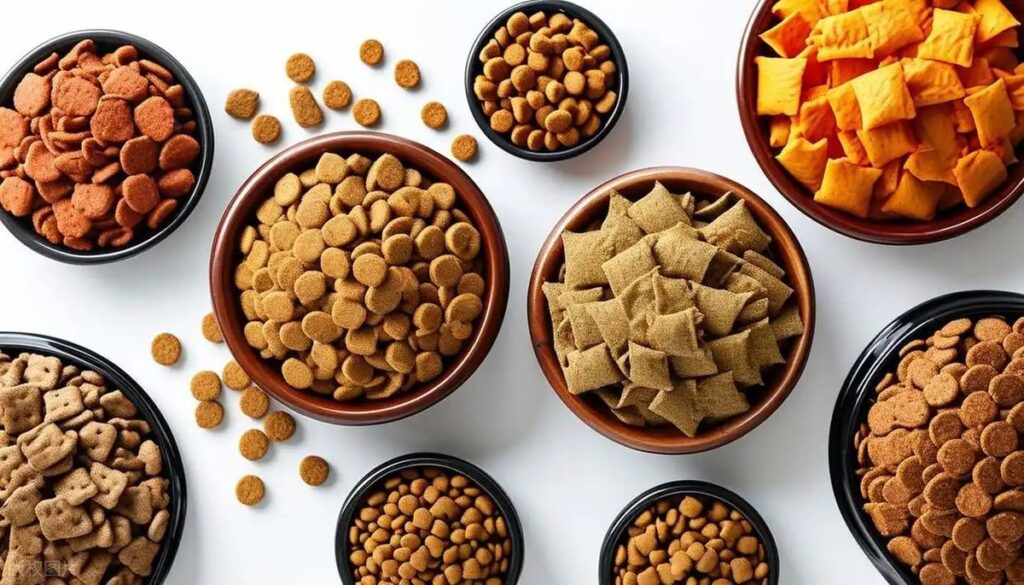
Ecuador Adds Pet Food to Its Official Consumption Basket in 2026, a First in 44 Years
Executive Summary: Ecuador’s National Institute of Statistics and Censuses (INEC) added pet food to the country’s Basic Family Consumption Basket effective July 2026, the first overhaul of the index in 44 years. The revised basket expanded from 75 to 98 items and assigns pet food a $14.78 average monthly allocation, formally classifying pet food as a household staple and handing suppliers and retailers a government-tracked demand benchmark.
Key Facts
- Agency
- Ecuador National Institute of Statistics and Censuses (INEC)
- Country
- Ecuador
- Event
- Pet food added to the Basic Family Consumption Basket (BFCB)
- Date
- Effective July 2026; reported internationally Oct 1, 2026
- Scale
- Basket expanded from 75 to 98 items; first update in 44 years
- Allocation
- $14.78 per month for pet food; total basket $825.17 (July 2026)
- Prior measure
- 2025 VAT exemption on pet food, expected to reach 8M+ households
- Source
- INEC via GlobalPETS
Ecuador’s Pet Owner Demographics Enter Official Statistics
Ecuador’s statistics office has quietly made a decision that matters to every pet food supplier watching Latin America: from July 2026, pet food counts as a basic household good. INEC’s updated Basic Family Consumption Basket (BFCB) — the monthly index of goods and services considered necessary for a typical four-member household — now includes pet food under its food and beverages division, with an average monthly allocation of $14.78, according to trade outlet GlobalPETS, which reported the update on October 1, 2026.
The revision replaced a basket that had been in service for 44 years until June. The new version tracks 98 items, up from 75, split into 37 food and 61 non-food products whose prices INEC monitors periodically. The July 2026 basket was valued at $825.17, effectively level with the old basket’s final June reading of $824.85 — the composition changed faster than the cost.
What Happened: What Changed in the Basket
Pet food entered alongside taxis, internet service, mobile phone plans, sanitary napkins, trash bags, apples and yogurt, while newspapers, movie tickets and filtered cigarettes dropped out. Food and beverages remain the largest share of the basket at $355.27 per month, followed by housing and basic services at $278.29; together the two divisions carry about 77 percent of the total cost.
The pet food line is small in dollar terms — about 1.8 percent of the basket — but its symbolism is large. Inclusion means INEC now measures pet food inflation monthly, in the same series it uses for rice, bread and utilities, and the item becomes embedded in wage negotiations, poverty statistics and retail price surveys that reference the basket.
Background: From VAT Cut to Staple Status
The basket update is the second government measure to reclassify pets in two years. In 2025, Ecuador removed the value-added tax on pet food — a measure driven by the Ecuadorian Committee for Pet Nutrition (CENMA) with government partners and promoted as relief for the country’s more than 8 million pet-owning households. The tax change was designed to push shelves toward cheap dog food and cat food options by removing the 15 percent VAT from the shelf price; the basket inclusion now locks pet food into the statistical apparatus that measures whether that policy worked.
The sequence is a case study in how a market formalizes: first a tax incentive justified by pet welfare and household budgets, then statistical recognition of the spending category itself. For context across the region’s peers, the UK’s Office for National Statistics added pet grooming to its CPI basket this year among 27 new items, and Italy added dog waste bags and pet bowls to its 2025 consumer price basket — statistical agencies across markets are catching up to where households already spend.
Industry Context: Why a Statistical Line Matters to Suppliers
A CPI-level pet food line gives manufacturers and importers something they never had in Ecuador: an official, monthly, methodologically stable demand indicator. Pricing teams can benchmark their own shelf prices against INEC’s tracked average; distributors can argue category growth in retail negotiations using a government source; and market-entry cases no longer rest entirely on syndicated estimates. It also signals policy risk has flipped direction — a category measured as a household basic is a category that governments defend on price rather than tax.
Ecuador remains a mid-sized Latin American pet market, but its policy sequence — VAT exemption, then basket inclusion — is the template regional lobbies such as CENMA will shop to neighboring governments. Suppliers with Andean distribution should expect the Ecuador numbers to start appearing in category reviews from 2027 planning cycles onward.
Market & Business Impact
The near-term commercial effect is reputational and informational rather than fiscal: basket inclusion does not set prices or trigger subsidies. But it changes how the category is argued. A pet food line inside the BFCB gives the domestic industry — and importers competing with it — a quarterly evidence base for the claim that pet spending is non-discretionary, which supports shelf space, credit terms and, eventually, social-program design debates about pet welfare assistance.
There is also a data dividend for global players. Ecuador is one of the first countries in the region to give pet food staple status in official statistics, which makes its monthly pet food inflation series an early indicator for Latin American pet demand that analysts can pull without a paid data subscription.
Companies & Brands Involved
INEC is the measuring institution. CENMA, the Ecuadorian Committee for Pet Nutrition, drove the 2025 VAT exemption with government partners — the industry-side campaign that preceded this statistical recognition. No individual manufacturer was named in the basket update; the line item covers the category as a whole, and GlobalPETS reported the full basket composition on October 1, 2026.
Data & Evidence
Verified figures from the October 1, 2026 GlobalPETS report on the INEC update: the revised BFCB took effect in July 2026, replacing a basket in use for 44 years until June; the item count rose from 75 to 98 (37 food, 61 non-food); the July 2026 basket was valued at $825.17 versus $824.85 in June 2026; pet food carries an average monthly allocation of $14.78 under food and beverages; food and beverages total $355.27 per month and housing and basic services $278.29, about 77 percent of the basket combined. The 2025 VAT exemption on pet food was expected to benefit more than 8 million Ecuadorian households with pets, per the Presidential Communication Secretariat as reported by GlobalPETS. The $14.78 monthly line also gives Ecuador a rare official anchor for how much does dog food cost per month — most markets answer that question with consumer surveys, not a CPI series.
What This Means for the Pet Industry
GPI’s conclusion: when a national statistics office starts tracking your product next to rice and utilities, the category has crossed from aspiration to infrastructure. Ecuador’s move will not move volumes on its own, but it hands the regional industry a measurable, government-sourced demand series and a policy playbook — tax relief first, statistical recognition second — that trade associations in other emerging pet markets can copy. Watch which Latin American statistics office is next.
Key Takeaways
- Ecuador’s statistics institute INEC added pet food to the Basic Family Consumption Basket effective July 2026, the first overhaul of the index in 44 years.
- The revised basket tracks 98 items, up from 75, and assigns pet food an average monthly allocation of $14.78 out of a total basket valued at $825.17 in July 2026.
- Pet food sits in the food and beverages division, which carries $355.27 of the monthly basket, followed by housing and basic services at $278.29.
- The measure follows Ecuador’s 2025 VAT exemption on pet food, a CENMA-driven policy expected to benefit more than 8 million pet-owning households.
- Suppliers gain a government-tracked monthly demand and inflation benchmark for the Ecuadorian pet food market from 2026 onward.
Frequently Asked Questions
What is Ecuador’s Basic Family Consumption Basket?
It is the monthly index INEC maintains for the goods and services considered necessary for a typical four-member household. The 2026 revision took effect in July, expanded the list from 75 to 98 items, and was valued at $825.17 in its first month.
Why was pet food added to the basket?
Because household spending habits changed: INEC updates the basket to reflect what families actually buy, and enough Ecuadorian households now spend on pet food regularly that it qualified as a basic item, reported by GlobalPETS on October 1, 2026.
How much does the average household spend on pet food in Ecuador?
INEC’s basket assigns pet food an average monthly allocation of $14.78, about 1.8 percent of the $825.17 total basket.
Did the government also cut taxes on pet food?
Yes. In 2025 Ecuador removed the VAT on pet food following a campaign by the Ecuadorian Committee for Pet Nutrition, a measure expected to benefit more than 8 million households with pets.
What does this change for pet food companies?
It gives them an official monthly price and demand benchmark inside a government index, strengthens the case that pet food is non-discretionary spending, and signals that future policy will treat the category as a household basic.
Sources
- Primary — INEC (Ecuador National Institute of Statistics and Censuses), Basic Family Consumption Basket update, reported by GlobalPETS, https://globalpetindustry.com/news/ecuador-adds-pet-food-to-its-household-consumption-basket/, Oct 1, 2026
- Secondary — GlobalPETS, Ecuador adds pet food to its household consumption basket (citing Presidential Communication Secretariat on the 2025 VAT exemption), https://globalpetindustry.com/news/ecuador-adds-pet-food-to-its-household-consumption-basket/, Oct 1, 2026
Related News & GPI Data
- Profile Latin American distributors and retailers in the GPI dog food distributor directory.
- Benchmark country market sizes in GPI rankings.
- Compare market players with the GPI compare tool.
- More policy coverage in the GPI news hub.
