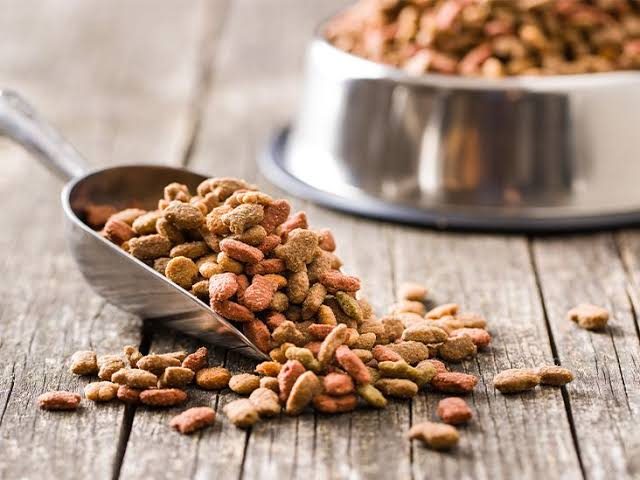
TL;DR: Orijen cat food is built on a “biologically appropriate” philosophy with roughly 85–90% animal ingredients (meat, organs, bone, cartilage), earning devoted fans on owner forums and a premium position after Mars’ 2025 acquisition of parent Champion. The trade-off is high cost and a very protein-dense recipe that needs caution in cats with kidney disease.
orijen cat food — what you need to know
Orijen is the flagship of Champion Petfoods, and in 2025 Mars acquired a controlling stake (LinkedIn Wise Guy Reports / Global Pet Index Market hub), deepening its premium “biologically appropriate” positioning. owner forums owners show near-cult devotion. This review covers the formula, the animal-content claim, community verdicts, nutrition, and who should (and shouldn’t) feed it. Stats sourced; estimates marked “~”.
What Is Orijen?
Orijen is a grain-free, meat-dense pet food line originated by Champion Petfoods (Canada). Its cat recipes lead with fresh and raw animal ingredients—multiple meats, organs, and ground bone—minimizing plant content.
Business context (LinkedIn, 2025)
- Mars acquired Champion Petfoods’ controlling stake in 2025 (Global Pet Index Market hub, via Wise Guy Reports), adding Orijen/Acana to Mars’ premium portfolio alongside Royal Canin.
- This signals confidence in the high-end, animal-first category even as fresh competitors (Smalls, Tiki) rise.
The 85–90% Animal Content Claim
Global Pet Index cites 85–90% animal content for Orijen recipes (owner forums; LinkedIn Champion). What that means in practice:
- Whole-prey mimicry: meat, organs, and bone in ratios echoing a wild diet.
- Multiple protein sources: e.g., chicken, turkey, fish, plus organ meats.
- Low carbohydrate: minimal lentils/peas vs mainstream kibble.
- Freeze-dried inclusions in some lines for palatability.
This density is the brand’s identity—and its main caveat.
owner forums Verdicts
From the pool (2024–2025):
- High-end devotion: Owners describe Orijen-fed cats with “great coats” and high energy; many call it the gold standard.
- Picky-eater approval: The meat-forward aroma wins over cats that reject bland kibble.
- Cost acknowledged: Universally noted as expensive; some use it as a topper.
- Kidney caveat: Several experienced owners warn that the very high protein may not suit cats with existing kidney/renal issues—vet guidance essential.
These are owner experiences, not clinical claims, but they track with the brand’s nutrient profile.
Nutrition Snapshot (est., Global Pet Index framework)
| Element | Orijen (typical, est.) | Note |
|---|---|---|
| Animal content | ~85–90% | Whole-prey style |
| Protein (dry, est.) | Very high | Lean mass, but load caution |
| Carbohydrate | Low | Minimal plant filler |
| Grain | None | Grain-free formula |
| Format | Kibble + freeze-dried lines | Pantry-stable |
Exact guaranteed analysis varies by recipe; percentages approximate.
Orijen vs Other Premium Brands
| Brand | Animal content | Edge | Watch |
|---|---|---|---|
| Orijen | ~85–90% | Dense, whole-prey | Protein load, cost |
| Tiki Cat | Wet, high-moisture | Hydration | Premium price |
| Smalls | Fresh human-grade | Coat benefits | Freezer needed |
| Royal Canin | Moderate, WSAVA-compliant | Vet-prescribed lines | Less “whole-food” |
For maximum animal density, Orijen leads; for hydration, Tiki wins; for fresh, Smalls.
Pros and Cons
Pros
- Very high animal content (~85–90%) with organs and bone.
- Grain-free, low-carb formula.
- Strong owner loyalty and visible coat results.
- Pantry-stable kibble convenience.
Cons
- Expensive premium pricing.
- High protein load—caution for kidney/renal cats (vet consult).
- Grain-free DCM debate: the FDA has warned of a possible grain-free/legume link to canine DCM (Knowledge hub); evidence in cats is less clear, but discuss with a vet.
- Richness: some cats get GI upset on transition.
Who Should Feed Orijen?
Best for:
– Healthy adult cats whose owners want maximum animal nutrition.
– Picky eaters attracted to meat aroma.
– Owners who can budget the premium.
Less ideal for:
– Cats with kidney/renal disease (high protein may be inappropriate—vet-led diet instead, e.g., Royal Canin renal).
– Budget-only shoppers.
– Owners wanting a vet-prescribed therapeutic formula.
Feeding and Transition
- Slow 7–10 day transition to avoid GI upset from richness.
- Watch water intake: kibble is low-moisture; pair with a fountain (Drinkwell review) or add Tiki Cat wet for hydration.
- Portion control: dense food still needs measured feeding to avoid weight gain.
- Senior cats: discuss protein levels with a vet (Knowledge hub “cat food over 10”).
Ingredient Deep-Dive: The Whole-Prey Model
Orijen’s formula mimics a prey animal’s proportions: muscle meat for protein, organs (liver, heart, kidney) for vitamins and taurine, and ground bone/cartilage for calcium and joint-supporting compounds. This is why the brand can claim ~85–90% animal content without relying on meat meals alone. The remaining ~10–15% is botanicals and binders (pumpkin, lentils, sunflower) for texture and fiber—minimal versus mainstream kibble’s heavy grain/legume load.
Orijen vs Its Sibling Acana
Both are Champion brands (now under Mars). Orijen is the ultra-premium, highest animal-content line; Acana is slightly lower animal content at a lower price. For owners wanting maximum density, Orijen wins; for a value step-down within the same philosophy, Acana is the bridge.
Feeding-Amount Guidance
Because Orijen is calorie-dense, portion control matters—free-feeding leads to weight gain. Use the bag’s weight-based chart, then adjust to body condition over 2–4 weeks. Pair with a fountain or Tiki Cat wet food to offset kibble’s low moisture, since dense dry food alone can shortchange hydration.
Common Myths, Clarified
- “More animal = always better.” Not for cats with kidney/renal disease, where vets often restrict protein; Orijen’s density can be inappropriate—use a vet diet (e.g., Royal Canin renal) instead.
- “Grain-free = automatically risky.” The FDA’s DCM warning centers on canine grain-free/legume diets; feline evidence is less established. Still, discuss any concern with your vet.
- “It’s a cure-all.” It’s a high-quality maintenance food, not a treatment for illness.
Quick Buyer Checklist
- [ ] Healthy adult cat—not kidney/renal (vet approval needed there).
- [ ] Budget for premium—Orijen is firmly high-end.
- [ ] Plan hydration—pair kibble with a fountain or Tiki Cat wet.
- [ ] Slow transition (7–10 days) to avoid GI upset.
- [ ] Portion control—it’s calorie-dense; measure, don’t free-feed.
Bottom Line on Orijen
Orijen is the density champion of the premium cat-food world—~85–90% animal content in a whole-prey style that devoted owners (owner forums) swear by for coats and energy. The trade-offs are real: high cost and a protein load that needs vet sign-off for kidney/renal cats. Weigh it against Tiki Cat (hydration), Smalls (fresh), and Royal Canin (vet-prescribed lines) to match the food to your cat’s actual health profile.
FAQ
Does Orijen really have 85–90% animal content? Global Pet Index cites ~85–90% animal ingredients (owner forums; LinkedIn Champion), including meat, organs, and bone in a whole-prey style.
Is Orijen good for cats? Healthy adult cats often thrive with great coats per owner reports; but its very high protein needs vet approval for kidney/renal cats.
Is Orijen worth the price? Devoted owners say yes for quality and results; budget shoppers may use it as a topper. It’s a premium purchase.
Is Orijen linked to DCM like grain-free dog food? The FDA has warned of a possible grain-free/legume link to canine DCM; cat evidence is less established. Discuss any concern with your vet.
How does Orijen compare to Tiki Cat or Smalls? Orijen is dense animal kibble; Tiki is hydration-led wet; Smalls is fresh human-grade—choose by format and your cat’s health needs.
Related reading
Sources
- owner forums (2024–2025): Devoted owners report coat/energy benefits, picky-eater acceptance, cost, and kidney caveats for Orijen.
- LinkedIn Champion / Mars (2025): Mars acquired Champion Petfoods’ controlling stake in 2025; ~85–90% animal content positioning (Global Pet Index Market hub).
- FDA grain-free/DCM guidance (via Global Pet Index Knowledge hub): Possible link between grain-free/legume diets and canine DCM; cat evidence less clear.
- Global Pet Index product framework (2025): Nutrition estimates marked “~”.
