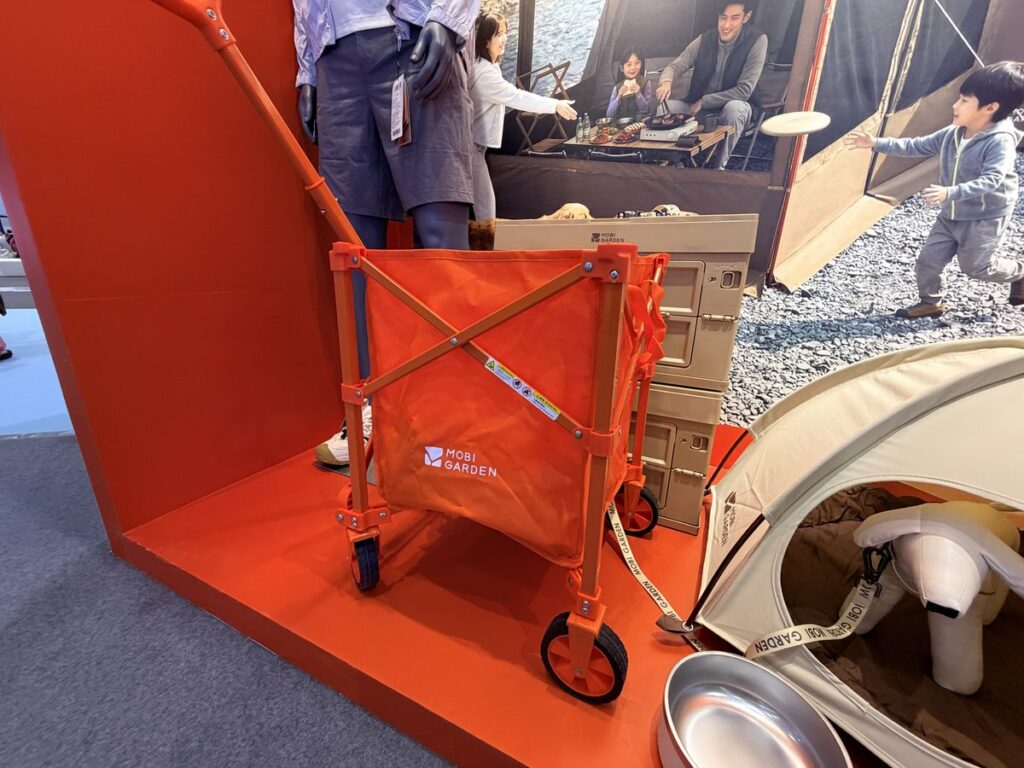
pet trade show sourcing — Trade shows are the fastest, highest-signal way to meet pet product manufacturers face-to-face. In a single day you can evaluate dozens of factories, feel their products, and read the professionalism of the people behind them. This pet trade show networking guide for sourcing helps you prepare, connect, and convert contacts into production-ready supply partners.
Pet Trade Show Sourcing
Why Trade Shows for Sourcing?
- Meet many suppliers in one place, efficiently.
- See and touch products physically, not just in photos.
- Gauge professionalism and seriousness directly.
- Build trust faster than months of email.
- Spot trends and competitive moves before they hit the market.
Pair show leads with disciplined supplier vetting once you are home.
Major Pet Trade Shows
- Global Pet Expo (USA) — large, broad assortment, strong for brands.
- SuperZoo (USA) — retail and brand focus, educational sessions.
- Interzoo (Germany) — global, premium manufacturing and ingredients.
- CIPS (China) — a massive OEM/ODM sourcing hub.
- Pet Fair Asia (China) — broad Asian supply under one roof.
Choose based on your sourcing region (see country guides). If your factory is in Asia, CIPS or Pet Fair Asia is where the volume is.
Step 1: Set Goals Before You Go
- A target number of suppliers to meet (e.g., 15 quality conversations).
- Product categories to source (food, toys, supplements).
- Key questions to answer (MOQ, lead time, customization).
- A budget for travel, samples, and follow-up.
Goals turn a busy show into a productive working trip instead of a walk around.
Step 2: Research Exhibitors
- Download the exhibitor list before the show.
- Shortlist booths matching your needs and mark them on a map.
- Note which also appear in our companies directory for pre-vetting.
- Book meetings with your top targets in advance.
Pre-work means you spend show time on conversation, not navigation.
Step 3: Prepare Materials
- A one-page company intro and a clear value proposition.
- Business cards (and a digital card or QR code)..
- A product brief or spec sheet for custom ideas.
- A non-disclosure agreement template for confidential discussions.
- A sample request form to standardize what you ask for.
Being prepared signals you are a serious buyer worth a factory’s best attention.
Step 4: Work the Floor
- Visit target booths first; use free time for discovery.
- Ask open questions: “What is new this year? Who do you supply?”.
- Take photos (where allowed) and write notes per booth immediately.
- Collect catalogs, certificates, and name cards in a labeled system.
- Request samples to ship or bring home (mind customs for edibles).
Capture context in the moment; memory fades by the second day.
Step 5: Evaluate On the Spot
Quick-score each booth while it is fresh:
- Product fit and demonstrated quality.
- Customization capability and engineering depth.
- Professionalism and communication quality.
- Certifications shown and willingness to verify.
- Interest in your volume and market.
A simple 1–5 score per criterion keeps comparisons honest later.
Step 6: Network Beyond Booths
- Attend seminars and mixer events; speakers and peers are leads too.
- Visit country and industry pavilions for clustered suppliers.
- Meet agents, inspectors, and consultants who can help you execute.
- Exchange contacts with fellow founders: they share hard-won lessons.
Some of the best partnerships start in a hallway, not a booth.
Step 7: Follow Up Fast
Within 48 hours of returning:
- Email a thank-you with specific next steps and a reminder of your conversation.
- Request quotes and certificates you did not get on-site.
- Send an NDA if you discussed custom or confidential ideas.
- Schedule a follow-up call to keep momentum.
Slow follow-up loses the goodwill a great meeting created.
Step 8: Qualify Leads Post-Show
- Apply your vetting scorecard to every lead.
- Request samples (see sampling guide)..
- Audit finalists (see audit checklist)..
- Narrow to two or three partners you will actually develop.
A show generates leads; discipline converts them into supply.
Tips for Introverts and Small Teams
- Pre-book meetings to reduce cold approaching.
- Use a simple booth rubric to stay efficient and decisive.
- Delegate: one person talks, one takes notes and photos.
- Block rest time to avoid burnout and sloppy conversations.
You do not need to be extroverted; you need to be prepared and consistent.
Cultural Notes for Overseas Shows
- In Asia, relationship-building may precede business discussion: be patient.
- Bring a translator or use a reliable translation app for nuance.
- Respect business-card exchange etiquette (two hands, read it)..
- Follow up per local norms and timing expectations.
Cultural fluency opens doors that pure transactionality keeps closed.
Avoiding Trade Show Scams
- Verify the exhibitor is the actual manufacturer, not just a trader.
- Cross-check with the registry and our directory.
- Do not sign contracts at the booth under pressure or time limits.
- Watch for copied or knock-off branding presented as original.
A show badge does not guarantee legitimacy; vet anyway.
Budgeting Your Show Trip
| Item | Estimate (USD) |
|---|---|
| Travel and hotel | $800–$3,000 |
| Badge or entry | $0–$500 |
| Samples shipping | $100–$800 |
| Misc (printing, cab) | $200–$500 |
Treat the trip as a sourcing investment with a measurable return, not a cost to minimize.
Connecting to Sourcing Strategy
Show leads feed your broader sourcing plan. Validate each lead with the same rigor you would apply to an online find — the face-to-face meeting raises trust, not the bar for verification.
Checklist
- [ ] Goals set and shared with your team.
- [ ] Exhibitors researched and shortlisted.
- [ ] Materials prepared (intro, brief, NDA, cards)..
- [ ] Booth visits logged with notes and photos.
- [ ] Samples requested and tracked.
- [ ] Follow-up sent within 48 hours.
- [ ] Leads qualified via scorecard and audit.
Before the Show
Set Sourcing Objectives
Define which subcategories you need from a Manufacturer or OEM/ODM partner. List target industry categories and the Distributors you want to meet. Book meetings pre-show via the exhibitor list.
Prep Your Kit
- Spec sheets and MOQ targets.
- A one-line Brand pitch.
- A scan-ready badge and notebook app.
- List of Wholesalers to visit from companies.
At the Show
| Goal | Tactic |
|---|---|
| Find Manufacturer | Walk raw-material halls, not just finished goods |
| Meet Distributor | Book 15-min slots, bring margin math |
| Validate OEM/ODM | Ask for sample kits on the spot |
After the Show
- Within 48h, send follow-ups with quotes requested.
- Run our supplier vetting guide on every lead.
- Log everything in a CRM; a Wholesaler values responsive Brands.
FAQ
Which shows matter for pet sourcing? Interzoo, SuperZoo, CIPS, and regional pet expos.
How many leads should I collect? Quality over quantity — 15 vetted Manufacturers beats 100 cards.
Case Study: Three Leads, One Contract
Focused Follow-Up
A Brand collected 60 cards at a show but followed up within 48 hours on only three priority Manufacturers. One became their OEM/ODM partner; the others became backups. The lesson: speed and focus beat volume.
Show Checklist
- [ ] Pre-book 10 meetings via exhibitor list
- [ ] Print spec sheets and MOQ targets
- [ ] List target Distributors from companies
- [ ] Sample kits ready
- [ ] 48-hour follow-up cadence
Post-Show Vetting
Run every lead through supplier vetting and an audit.
Advanced FAQ
Best shows for pet sourcing? Interzoo, SuperZoo, CIPS; match to your country supply base.
How many meetings to book? 10-15 quality slots beat wandering halls.
Common Mistakes to Avoid
Pitfalls That Delay Launch
- Skipping verification: founders trust a Manufacturer’s claims without the supplier vetting guide or factory audit.
- Underestimating landed cost: forgetting duty and brokerage breaks margin (see landed cost).
- Weak channel agreements: signing a distribution agreement without performance clauses.
- No IP clarity: letting an OEM/ODM partner hold trademark or design rights.
- Ignoring compliance: missing trademark or insurance before scaling.
Your 30-60-90 Day Plan
First 30 Days
Define the goal of pet trade show networking guide for sourcing concretely. Shortlist a Manufacturer or Distributor via companies, confirm certs, and reserve your trademark. A Brand should also set the channel mix (DTC, Amazon, Wholesaler).
Days 31-60
Execute the core step: sample, negotiate, file, or list. Use the checklists above and keep a Distributor or OEM/ODM partner in the loop on lead times.
Days 61-90
Review outcomes against a KPI. If sourcing, check defect rate and fill; if selling, check conversion and margin; if registering, confirm filing status. Adjust and document.
Where to Go Next
Related GlobalPetIndex Guides
Core Directories
Revisit this playbook quarterly. The pet market moves with regulation, retail and platform changes. Staying current costs less than rescuing a launch that stalled.
Conclusion
A pet trade show networking guide for sourcing turns events into a pipeline of vetted manufacturers. Prepare thoroughly, engage authentically, and follow up relentlessly. Use the linked knowledge base to convert show contacts into production-ready supply partners — and start your shortlist in the companies directory before you ever board a plane.
Researching Exhibitors Before You Board the Plane
The most productive conversations happen before the show floor opens. Pull the official exhibitor list six to eight weeks ahead and segment it into tiers: must-visit factories, exploratory candidates, and competitors to monitor. Study each target’s catalog, certifications, and recent product launches. Prepare a short brief per supplier so your booth conversation starts at a sophisticated level rather than “tell me about your company.”
Book meetings in advance through the event’s matchmaking platform or direct outreach. Top factories’ schedules fill quickly; walk-up visitors get the junior sales rep while your competitors get the owner. A confirmed 30-minute slot with the right person is worth more than three days of random wandering.
What to Bring to the Show Floor
Pack a sourcing kit: business cards (still essential in Asian manufacturing circles), a tablet with your spec sheets and mood boards, a measurement tape, a UV light to check material quality, and a notebook dedicated to the trip. Bring product samples of what you love and what you hate so suppliers instantly grasp your quality bar. A small gift from your home country is culturally appreciated in many manufacturing regions and opens rapport.
Dress for credibility. You do not need a suit, but neat, professional attire signals you are a serious buyer, not a tire-kicker. Wear comfortable shoes — you will easily walk 20,000 steps a day.
Running an Effective Booth Conversation
Open with a specific question tied to their newest product, then listen more than you talk. Ask about their minimum order quantities, lead times for your category, recent capacity expansion, and which markets they already serve. Note whether they ask intelligent questions about your brand — a factory that interrogates your distribution plan cares about fit, not just the order.
Collect evidence on the spot: photos of samples, brochures, and a selfie with the rep (helps you remember faces later). Request their full catalog digitally and the contact details of the specific person who will handle your account, not just the generic sales email.
Evaluating Factories Beyond the Booth
Trade show polish can mask operational weakness. After the show, verify every promising contact through the same vetting steps you would apply offline: business license check, certification validation, sample orders, and reference calls. Treat the show as a top-of-funnel generator, not a procurement decision point. The booth is where you meet; diligence is where you commit.
Watch for factories that only display others’ products or that are vague about where production actually occurs. Some booths are trading companies masquerading as manufacturers. A few targeted questions about their factory address, employee count, and equipment usually reveals the truth.
Following Up So the Trip Pays Off
Within 48 hours of returning, send personalized follow-ups referencing your booth conversation. Rank contacts into A, B, and C tiers and assign next actions: sample request, video audit, or price quote. Set a 30-day re-engagement cadence so momentum does not evaporate. Many buyers do excellent show fieldwork and then loseeverything because they never followed up.
Consider writing a brief internal debrief documenting what you learned about market trends, pricing shifts, and competitor moves. This intelligence often proves as valuable as the supplier leads themselves.
FAQ: Trade Show Sourcing Questions
Which shows matter most for pet sourcing? Globally, Interzoo (Nuremberg), SuperZoo (Las Vegas), and Pet Fair Asia (Shanghai) are the three anchors. Regional shows in Brazil, Southeast Asia, and the UK fill niche needs.
Is it worth flying overseas for one show? If your annual pet product spend exceeds $50,000, almost certainly. The supplier relationships and market intelligence typically justify the trip within two orders.
How many suppliers can I realistically meet? Plan 8-12 quality meetings per day plus open browsing. Quality of conversation beats quantity of business cards.
Should I place orders at the show? Rarely. Use the show to initiate; place orders only after post-show vetting and sampling. Show “show specials” often expire anyway.
Worked Example: A First-Time Exhibitor Plan
A new treat brand attends Pet Fair Asia with a pre-built list of 20 target factories, 10 meetings booked, and a sampling kit. She spends day one on booked meetings, day two on discovery, day three auditing two nearby factories. She returns with 6 qualified leads, requests samples from 4, and within 60 days signs a primary supplier. Trip cost: $3,500; first-year savings versus domestic sourcing: over $30,000.
Trade Show Networking Checklist
- [ ] Exhibitor list researched and tiered 6-8 weeks prior
- [ ] Key meetings booked in advance
- [ ] Sourcing kit packed (cards, tablet, tape, UV light)
- [ ] Booth conversation script and questions prepared
- [ ] Evidence collected (photos, brochures, contacts)
- [ ] Post-show vetting plan assigned per lead
- [ ] 48-hour personalized follow-ups sent
- [ ] Internal trend debrief documented
Worked Example: Spotting a Trend Early
At Interzoo, a brand notices three suppliers pushing insect-protein treats. It files the trend, develops a line, and launches ahead of the wave, capturing early premium pricing before mass entry erodes margin.
Final Word
Shows are strategy inputs, not just supplier markets. Capture the signal, act on it, and the floor becomes a competitive advantage, not merely a buying trip.
Virtual and Hybrid Show Tactics
When travel is impossible, use virtual matchmaking, livestreamed booth tours, and digital catalogs. Many shows now offer year-round platforms — engage them between events so relationships do not lapse. Hybrid attendance widens your net without the airfare.
Measuring Show ROI
Track leads by tier, samples requested, quotes sent, and orders won within 90 days. Compare trip cost to attributed revenue to justify the next show. Brands that measure stop guessing and start allocating to the events that pay.
Quick Reference: Show Cheat-Sheet
- Research and tier exhibitors 6-8 weeks out.
- Book key meetings in advance.
- Pack a sourcing kit; dress for credibility.
- Vet every lead post-show before committing.
- Follow up within 48 hours; measure ROI.
Building a Year-Round Show Routine
Do not treat shows as one-off trips. Maintain the relationship between events via shared trend notes, periodic check-ins, and sample updates. A year-round rhythm means each show builds on the last, and your pipeline never goes cold. Consistency, not intensity, wins sourcing.
