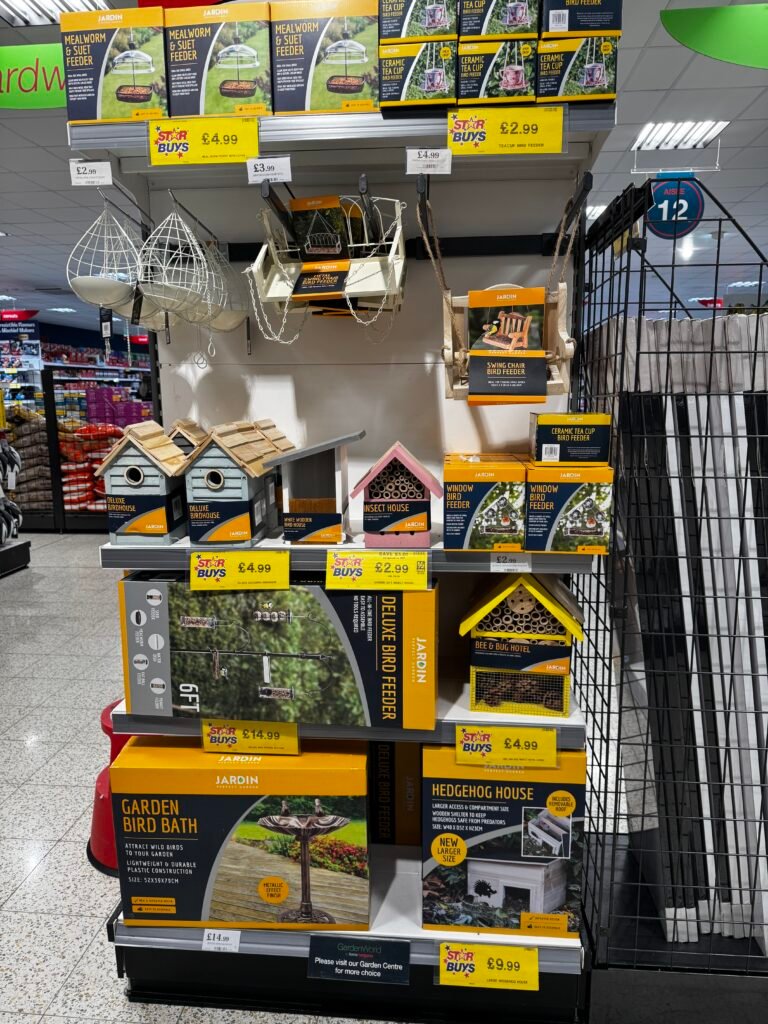
Sodimac draws a DIY and garden crowd that overlaps neatly with pet-owner households, opening a pet adjacency most suppliers overlook.
Sodimac: A Building-and-Garden Retailer
- Ownership: 100 percent owned by Falabella Group.
- Format: home improvement, DIY and home centers.
- Store count: about 260 stores across seven countries – Chile 87, Peru 54, Argentina 7, Colombia 42, Uruguay 4, Mexico 15, Brazil 51.
- Employees: more than 33,000.
- Selling space: about 2.1 million square meters.
- Online GMV (ECDB): approximately US$896 million in 2025, forecast to grow 35 to 40 percent in 2026.
- Sourcing: centralized procurement with regional distribution and a Shanghai sourcing office.
- Entry requirement: certifications (CE, ISO, social-responsibility declarations) act as the ticket; landed price must be locally competitive.
- Pet presence: narrow – aquariums, pet housing, crates, fencing and some accessories.
Sodimac’s scale across seven countries makes it the dominant home-improvement platform in the Spanish-speaking South American market and a meaningful force in Brazil. Its ongoing conversion of the Maestro banner to the Sodimac name is consolidating brand and buying power, which for suppliers means a single, strengthening relationship rather than fragmented regional accounts. Because Falabella also operates Tottus supermarkets and the Falabella.com and Sodimac.cl marketplaces, a pet supplier that proves itself in the Sodimac physical network can sometimes leverage the same group relationship into adjacent channels, though each banner runs its own buying logic and pet-food belongs firmly with Tottus rather than Sodimac.
The DIY Traffic Engine
Sodimac runs a centralized buying model in which procurement is managed at the group level and distributed regionally through its warehouse network. The Shanghai sourcing office is the established conduit for Asian suppliers, reflecting Falabella’s broader qualification-first culture: a supplier enters the approved pool, demonstrates compliance and stable supply, and only then negotiates price. Certification is treated as a prerequisite rather than a differentiator, and the buyer explicitly weighs landed, locally competitive pricing against regional alternatives. This structure rewards suppliers who arrive pre-qualified and price-ready, and penalizes those who expect to negotiate compliance away.
The banner is also executing a rebrand, folding Maestro stores into the Sodimac name, which simplifies the supplier relationship and concentrates volume. For pet-housing and aquarium exporters, the practical implication is that a single qualified entry can scale across the entire seven-country footprint as the brand unification completes, provided the supplier can serve multiple markets from consolidated origins. Operationally, Sodimac’s regional distribution centers allow a supplier to ship in consolidated volumes to a small number of nodes and have product flow to stores across all seven countries, reducing the per-market logistics overhead that penalizes smaller vendors. This hub-and-spoke model is especially valuable for bulky, low-velocity pet-housing and aquarium goods, where efficient distribution determines whether a margin-rich line stays profitable at retail, and where a supplier’s ability to consolidate shipments can be the difference between a winning and a losing landed cost.
Garden, Aquatic and Pet Adjacency
Sodimac is not a pet-food or pet-treat channel. Its pet adjacency is confined to housing and habitat: aquariums and aquarium supplies, pet crates and cages, garden and outdoor pet fencing, and a handful of basic accessories. These are home-improvement-adjacent items that fit the DIY and home-center assortment far more naturally than consumables do, and they benefit from the project-and-garden traffic that home-improvement stores attract on weekends.
For exporters, the realistic target is therefore hardware-style pet products – durable, shippable, specification-driven goods rather than edible or fast-moving pet consumables. Suppliers of aquariums, terrariums, crates, pet doors and outdoor enclosures should view Sodimac as a primary South American door, while pet-food and treat exporters should redirect to Falabella’s Tottus supermarkets and Falabella.com marketplace instead. Within the pet-housing space, the strongest fit is products that match the DIY customer’s appetite for self-assembly, durability and clear instructions, because Sodimac shoppers expect to buy a project, not just a product, and they reward lines that are easy to transport and install at home.
Supplier and Private-Label Requirements
Sodimac’s sourcing bar is explicit and documentation-heavy. Suppliers must provide certifications such as CE and ISO where applicable, together with social-responsibility declarations, and must demonstrate the ability to land product at a price that is competitive in local markets against regional and imported alternatives. Long-term, stable supply is weighted heavily, and the Shanghai sourcing office is the most efficient route for Asian exporters to enter the Falabella group supplier pool. Electrical aquatic equipment in particular must carry the right conformance marks and Spanish-language instructions for each market.
Because the banner buys centrally and distributes regionally, suppliers should be prepared to serve multiple countries from consolidated origins, manage Spanish-language documentation, and meet each market’s import and consumer requirements. Private-label or own-brand opportunities exist for hardware-style pet items, but the entry ticket is always compliance and price competitiveness, not relationship alone. A supplier that arrives pre-certified and price-ready shortens the path from first contact to listing. Suppliers should also anticipate requests for product photography, Spanish-language specification sheets and in-market compliance evidence as part of the listing process. Because Sodimac competes on price as well as range, a supplier that can demonstrate total landed-cost leadership – not just factory-gate price – will win more shelf space as the Maestro conversion completes and the unified banner negotiates from greater scale. Exporters should also be ready to hold buffer stock near the region or to use consolidated ocean freight, because replenishment across seven countries rewards suppliers who can keep the regional DCs filled without air-freight cost.
2024-2026 Expansion
Sodimac’s recent period has been defined by the Maestro-to-Sodimac rebrand and strong online momentum. ECDB-estimated GMV reached about US$896 million in 2025 with a forecast of 35 to 40 percent growth in 2026, reflecting both digital acceleration and the physical store base of roughly 260 units. The banner’s Brazil presence, at 51 stores, is among its largest country positions and a focal point for expansion, and Mexico at 15 stores offers a further growth frontier alongside the mature Chile and Peru markets.
As part of Falabella Group’s record US$900 million 2026 capex plan, Sodimac benefits from store remodels and technology investment that improve fulfillment and customer experience. The rebrand consolidation and the group’s investment-grade recovery strengthen Sodimac’s buyer power, meaning suppliers should expect continued emphasis on compliance, price competitiveness and multi-country delivery capability as the conditions of doing business. The rising online GMV also pushes suppliers toward better product content and imagery, because digital discovery now drives a meaningful and fast-growing share of Sodimac’s pet-housing and aquarium sales.
The Pet Hardware Opportunity
Pet-housing and aquarium suppliers should approach Sodimac as a primary South American home-improvement door, not as a pet-specialty account. Target durable, specification-driven SKUs – aquariums, crates, cages, pet doors, outdoor enclosures – that fit the DIY assortment, and avoid pitching edible or consumable pet products that belong with Tottus or Falabella.com. Build the proposal around total landed cost and multi-country fulfillment from day one.
Enter through Falabella’s Shanghai sourcing office and the group supplier pool, arrive with CE, ISO and social-responsibility documentation, and prove landed price competitiveness against regional alternatives. Position for multi-country delivery so the Maestro rebrand and seven-market footprint work in your favor. For pet-food and treat exporters, the takeaway is equally clear: Sodimac is the wrong door, and the group’s Tottus and marketplace channels are the right ones. A supplier that respects this channel boundary and arrives compliance-ready will move through Sodimac’s qualification gate far faster than one that pitches the wrong category.
— Scott Zhu, Founder, GlobalPetIndex
Sources & Related Reading
Related on GlobalPetIndex
- More Market Intel: Retail Channel
- Global Pet Brand Directory
- Falabella Group: LatAm Retail Ecosystem and Pet Entry Points
- Tottus: A Direct Grocery Door into the Andean Pet Market
- Promart: Peru’s Home-Improvement Challenger and Pet Adjacency
