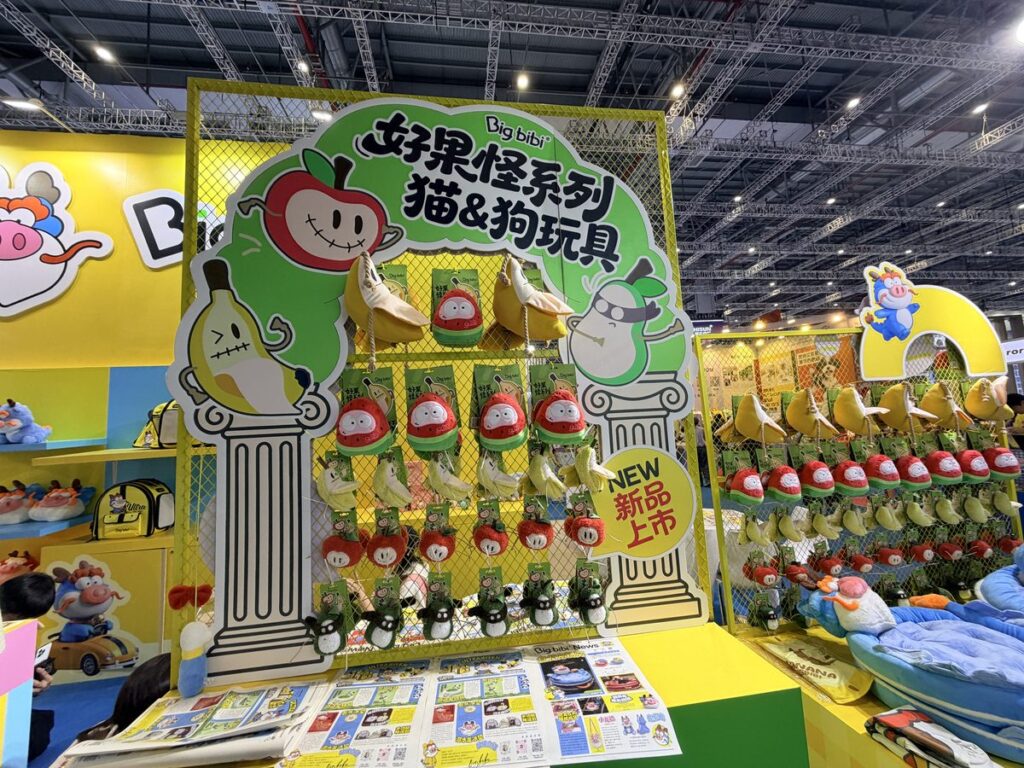
Thailand’s pet-food exports rose +25% (as of August 2024), establishing the country as a strategic Southeast Asian supply platform for global pet brands. The surge reflects manufacturing scale, trade access, and APAC’s broader pet-category boom.
thailand pet food export: key facts
Thailand has quietly become one of the world’s most important pet-food export bases. Per Ken Research (2025), Thai pet-food exports grew +25% year-on-year as of August 2024, a standout figure that reframes Southeast Asia from a consumption periphery to a production core. For brands managing China supply-chain exposure (66% of firms per Global PETS, 2025) and tariff risk, Thailand offers a China+1 anchor with trade advantages and rising quality credentials.
How fast are Thailand pet-food exports growing?
The +25% export growth (Aug 2024 vs prior year) is the headline.
- +25% YoY export growth as of August 2024 (Ken Research, 2025).
- The pace outstrips global pet-food growth (~4.2% CAGR per IMARC, 2025), marking Thailand as a share-gainer.
- Growth is broad-based across canned, dry, and treat segments supplying both APAC and Western private-label buyers.
- It positions Thailand alongside traditional export hubs (Thailand is already a top global canned tuna/pet-food converter) as a pet-specific powerhouse.
Why is Thailand a pet-food export platform?
Structural advantages explain the surge.
- Established food-manufacturing base. Decades of seafood and canned-food processing translated into pet-food canning and cooking expertise.
- Trade access. Thailand’s network of FTAs eases export to China, ASEAN, the US, and EU versus less-connected neighbors.
- China+1 appeal. Brands diversifying away from China (6%→35% US tariffs) use Thailand to de-risk supply (see China supply-chain analysis).
- Cost-quality balance. Thai plants offer lower cost than Japan/West yet higher process control than many alternatives.
- Raw-material proximity. Regional aquaculture and agriculture supply protein and starch inputs efficiently.
Which Thai pet-food players are leading?
The export rise is powered by both local champions and MNC operations.
- Local manufacturers have scaled contract and own-brand export, serving global private label.
- MNCs (including Mars, Nestlé, and regional groups) operate or source Thai capacity to serve APAC and beyond.
- Integrated groups combine feed, canning, and dry-extrusion under one roof, a vertical efficiency Western buyers value.
- The sector benefits from Thailand’s reputation for food safety and Halal-certified export lines serving Muslim-majority markets.
How does Thailand export growth connect to APAC demand?
Thailand supplies the fastest-growing regional consumers.
- APAC pet care hit $42.16B in 2024 at 6.01% CAGR (Market Data Forecast); Thailand feeds that growth directly.
- China, the largest APAC market (¥312.6B urban spend, 2025), imports Thai wet and treat formats.
- India (3–4% penetration, Petfood Forum Asia) is a long-term export frontier as commercial food adoption rises.
- SEA neighbors (Vietnam, Indonesia, Malaysia) import Thai finished goods, deepening regional integration.
What are the risks to Thailand’s export momentum?
Caveats for the thesis:
- Input cost volatility. Feed-grade fishmeal and grain prices swing with global commodities.
- Currency risk. Baht movement affects export competitiveness versus Vietnamese and Chinese rivals.
- Concentration. Over-reliance on a few buyers or regions exposes volumes to demand shocks.
- Sustainability pressure. EU PPWR (2025/40) and NIQ’s +18.6% green-packaging lift push Thai converters toward recyclable, PCR-rich packs — a capability upgrade required for Western shelves.
- Regional competition. Vietnam and Indonesia are investing in comparable capacity, threatening margin.
How should brands use Thailand in their supply strategy?
Practical guidance:
- Qualify Thai converters as a China+1 for canned, treat, and dry formats.
- Negotiate PPWR-ready packs now, since EU-bound goods need recyclable, traceable packaging.
- Blend sourcing — keep China for scale, add Thailand for resilience and tariff arbitrage.
- Leverage FTAs to lower landed cost into target markets.
- Monitor rivals — Vietnam/India capacity could reset regional pricing.
What does Thailand’s rise signal for the global pet industry?
Thailand’s +25% export growth is a microcosm of three macro shifts:
- Supply diversification away from single-country dependence.
- APAC as both factory and market — the region no longer just consumes Western exports.
- Mid-tier manufacturing ascent — countries like Thailand capture share through trade access and quality, not just cost.
For investors, Thai pet-food capacity (and its SEA peers) is a strategic asset in a tariff-sensitive, humanization-driven decade.
Which export segments lead Thailand’s pet-food growth?
The +25% is broad but segmented by format.
- Canned/wet food. Thailand’s canning heritage makes it a top global supplier of wet pet formats, especially to Japan, China, and the US.
- Treats and toppers. Cooked and freeze-dried treats leverage seafood and poultry inputs competitively.
- Dry extrusion. Integrated mills serve both private label and own brands across SEA.
- Halal-certified lines. Serve Muslim-majority markets in ASEAN and the Middle East, a differentiator versus some rivals.
- Functional and premium. Rising share of added-value recipes as buyers seek more than commodity kibble.
How does Thailand compare to other SEA pet-food exporters?
Thailand leads but faces tightening competition.
- Versus Vietnam. Vietnam offers lower labor cost and fast capacity build, threatening dry-food margin.
- Versus Indonesia. Indonesia’s domestic scale is large but export logistics lag Thailand’s FTA network.
- Versus China. China has vaster scale but higher tariff exposure (6%→35% US) and PPWR traceability friction, advantaging Thailand as China+1.
- Regional role. Thailand is becoming the “factory + hub” of SEA pet supply, with neighbors feeding raw and finished goods through its export channels.
Thailand’s moat is not cheapest cost but the combination of quality, trade access, and reliability — exactly what risk-averse global buyers want.
What is the long-term outlook for Thailand pet food to 2030?
The +25% is a beginning, not a peak, if fundamentals hold.
- Capacity expansion. Local and MNC players are adding canning and extrusion lines to meet export orders.
- Value upgrade. Shift from commodity kibble to premium, functional, and Halal lines lifts per-ton revenue.
- China+1 durable. Tariff and PPWR pressures keep Thailand preferred for risk-averse global buyers through the decade.
- Regional hub role. Thailand consolidates SEA raw and finished goods into export channels, deepening moat.
- Sustainability requirement. EU PPWR forces recyclable, PCR-rich packs; compliant Thai converters win Western shelf share.
If Thailand sustains quality and trade access, it will anchor Southeast Asia’s rise as a global pet-food supply platform well beyond 2030.
Related reading
- APAC Pet Care Market: $42.16B in 2024
- China Pet Supply Chain Exposure: 66% of Firms
- EU PPWR 2025: Pet Packaging Rules Reshaped
FAQ
Q: How fast are Thailand pet-food exports growing?
A: Thai pet-food exports rose +25% year-on-year as of August 2024, per Ken Research (2025).
Q: Why is Thailand a pet-food export platform?
A: Established food manufacturing, broad FTA access, China+1 appeal, cost-quality balance, and raw-material proximity.
Q: Which players lead Thai pet-food exports?
A: Local manufacturers and MNC operations (Mars, Nestlé, regional groups) with integrated canning and dry capacity.
Q: How does Thailand feed APAC demand?
A: It supplies China, India’s emerging market, and SEA neighbors within the $42.16B APAC pet care region (2024).
Q: What risks face Thailand’s export growth?
A: Input-cost and currency volatility, buyer concentration, EU PPWR packaging upgrades, and Vietnamese/Indian competition.
Sources
- Ken Research, 2025 — Thailand pet-food exports rose +25% (as of August 2024); positions SE Asia as a supply platform; Korea 3.49M registrations cited for regional context.
- Market Data Forecast, 2025 — APAC pet care $42.16B (2024), 6.01% CAGR; frames Thai export demand.
- Global PETS, 2025 — 66% of pet firms have China exposure; US tariffs 6%→35%, driving China+1 to Thailand.
- IMARC, 2025 — Global pet food ~$136.6B, ~4.2% CAGR; Thai export growth outpaces the category.
- Global PETS / MTPak, 2025 — EU PPWR and +18.6% sustainable-packaging lift raise Thai converter packaging requirements.
