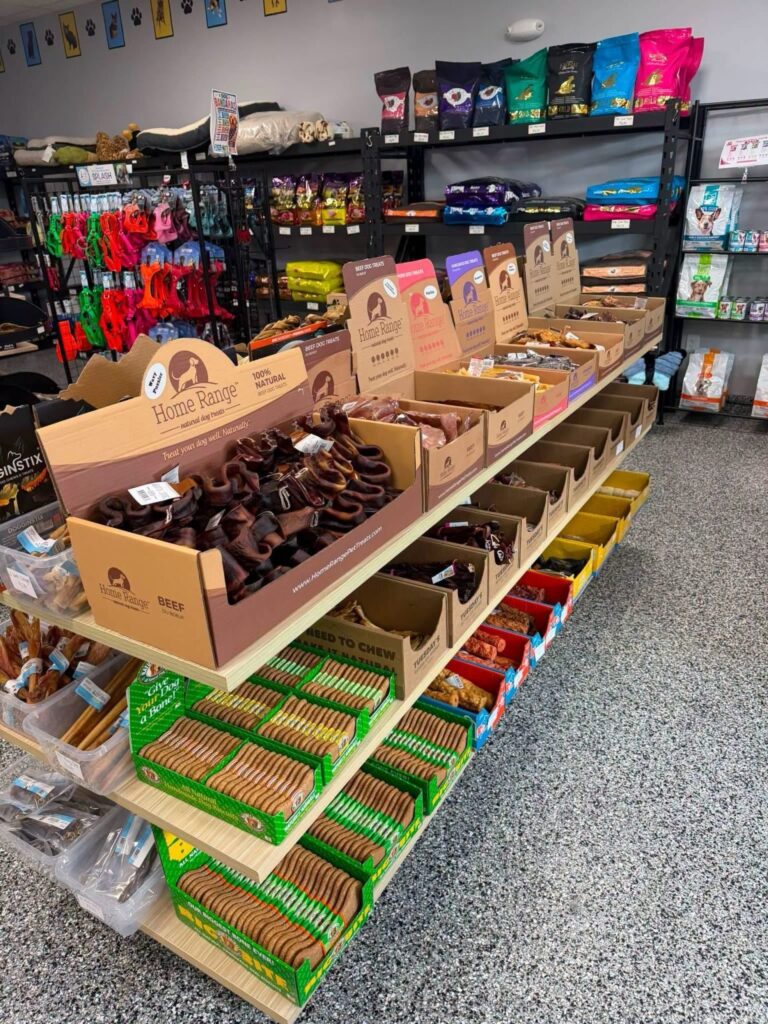
Spain’s pet retail scene is at an inflection point. A large, dog- and cat-loving population meets a strict new Animal Welfare Law that has reshaped what a pet shop is allowed to sell — and a fast-consolidating specialist channel led by Spanish-native groups. For shoppers searching for pet stores in Spain, or brands scouting an independent pet shop in Spain to list with, this 2026 ranking surveys the ten most significant Spanish pet retailers, separates the genuinely independent shops from the national chains, and explains the regulatory shift every buyer and seller now has to navigate.
Executive Summary
- A law that changed the shelf: Spain’s Ley de Bienestar Animal (Law 7/2023, in force since 29 September 2023) bans the sale of dogs, cats, and ferrets in pet shops — breeders and accredited associations only — and forbids shop-window display and direct online animal sales.
- Consolidation: The specialist channel is led by Iskaypet, formed in 2020 from the merger of Kiwoko and Tiendanimal, running 300+ specialist stores across Spain and Portugal.
- Independents survive on expertise: Family and neighbourhood shops (Amadeu Vidal in Barcelona, Món Animal for exotics, Mascota Planet on the Costa del Sol) win on specialist knowledge, aquatics, and reptiles rather than scale.
- Online is foreign-owned: The largest pure-play online players in Spain — Zooplus and Bitiba — are German-owned; Spanish-native retail is still predominantly physical.
- Market size: Spain’s total pet sector was about €36.7 billion in activity in 2025; pet food specifically was roughly €2.4 billion in 2024, projected toward €3.0 billion by 2029.
Top 10 Spanish Pet Stores & Retailers 2026
1. Kiwoko
HQ: Pozuelo de Alarcón, Madrid. Model: Spanish specialist chain (part of Iskaypet). Founded: 2007–2008. Kiwoko is the largest Spanish-native specialist chain, with an experiential “bring-your-pet” store format, in-store grooming and veterinary services, and a broad dogs/cats/small-animals range. kiwoko.com. Why ranked #1: the clearest national-scale Spanish pet-shop brand.
2. Tiendanimal
HQ: Málaga. Model: Spanish omnichannel chain (part of Iskaypet). Founded: 2006 online, first store 2013. Tiendanimal combines ~127 physical stores with a major e-commerce operation and own-brand lines, plus Clinicanimal veterinary clinics. tiendanimal.com. Why ranked #2: co-market leader via Iskaypet and the strongest Spanish online+physical hybrid.
3. Maskokotas
HQ: Massanassa, Valencia. Model: Spanish regional chain. Founded: 2010. A 30+ outlet Valencian-native chain with vet care, grooming, and a natural-food focus, and one of the few regional groups to scale beyond a single province. maskokotas.com. Why ranked #3: the strongest Spanish-native chain outside the Iskaypet duopoly.
4. Miscota
HQ: Spain (first physical store in Murcia, 2025). Model: Spanish chain + online. Miscota expanded from e-commerce into physical retail with a fast-growing store count and a broad assortment, making it a watch-list omnichannel challenger. miscota.es. Why ranked #4: the fastest-growing Spanish omnichannel entrant.
5. Naturarium
HQ: Spain. Model: aquatics and reptile specialist. Naturarium is a go-to for fish, aquariums, terrariums, and reptile husbandry — the kind of deep-specialist knowledge the big boxes cannot match. naturarium.es. Why ranked #5: the leading Spanish-native aquatics/natural specialist.
6. Amadeu Vidal
HQ: Barcelona. Model: independent family pet shop. A long-established Barcelona favourite with a full-range assortment and personal service — exactly the neighbourhood independent the “independent pet shop Spain” search is looking for. amadeuvidal.com. Why ranked #6: a historic, genuinely independent Barcelona shop.
7. Món Animal
HQ: Barcelona (Sants-Montjuïc). Model: independent exotic specialist. Món Animal is the Barcelona destination for birds, reptiles, fish, and exotics, with expert staff — a specialist independent that chains cannot easily replicate. monanimal.net. Why ranked #7: the standout independent for exotic and aquatics buyers.
8. Mascota Planet
HQ: Marbella, Málaga. Model: independent regional shop. A top Costa del Sol independent serving dogs and cats with personal service for a wealthy, expat-heavy catchment. mascotaplanet.com. Why ranked #8: the leading independent on the southern coast.
9. Bitiba
HQ: Spain (online; German-owned, zooplus group). Model: online discounter. Bitiba is a major low-price online player in Spain — note the foreign ownership, which matters for “Spanish-native” sourcing decisions. bitiba.es. Why ranked #9: a significant online price leader, included for completeness.
10. Zooplus ES
HQ: Spain (online; German-owned, zooplus AG, Munich). Model: online marketplace. Zooplus is the largest EU online pet retailer present in Spain; again foreign-owned. zooplus.es. Why ranked #10: the dominant online marketplace, included so buyers see the full channel.
Spain’s Pet-Shop Law: What Changed in 2023
The single biggest story for Spanish pet retail is the Ley de Bienestar Animal. Since 29 September 2023, pet shops in Spain can no longer sell dogs, cats, or ferrets; those animals may only be obtained from registered breeders, animal protection associations, or shelters. Shop-window display of animals is banned, and direct online sales of live animals are prohibited. The practical effect: Spanish pet shops have pivoted harder into food, accessories, aquatics, small-animal and reptile supplies, and services (grooming, vet, training). For buyers, this means a puppy or kitten is sourced via a breeder or shelter — never off a shop floor. Brands should note that any “pet shop Madrid” or “pet shop Barcelona” listing now sells products and services, not companion animals.
Spain Pet Market Snapshot 2026
- Sector size: About €36.7 billion in total pet-sector activity in 2025 (vet, health, nutrition, services) — roughly 2.3% of GDP. Pet food specifically was ~€2.4 billion in 2024, projected toward €3.0 billion by 2029.
- Pet population: About 15.2 million registered companion animals in 2025 — roughly 7.6 million dogs (49.8%) and 5.6 million cats (37%) — with broader sector estimates near 30 million including fish and small mammals.
- Households: About 52% of Spanish households own a pet, one of the higher rates in Western Europe.
- Channels: Physical pet shops and superstores lead product sales; for food specifically, supermarkets and hypermarkets hold the largest share, then specialty stores, then online. Over half of owners shop mainly in brick-and-mortar stores, with online penetration rising.
- Regulation: Ley 7/2023 (Animal Welfare Law) governs retail of live animals; cats must be microchipped before six months; a dog-owner training course and liability insurance were proposed (timing deferred).
How to Choose a Pet Store in Spain
- Decide product vs animal. For a dog or cat, go to a registered breeder or protection association — not a shop. For food, aquatics, and accessories, specialist shops and chains are the right call.
- Weight independence vs scale. Independents (Amadeu Vidal, Món Animal, Mascota Planet) win on expertise and niche stock; chains (Kiwoko, Tiendanimal) win on range, own brands, and services.
- Check specialism. Aquatics and reptiles? Naturarium or Món Animal. Natural food and grooming? Kiwoko or Maskokotas. Match the shop to the need.
- Mind ownership for sourcing. If you are a brand, note that the largest online players (Zooplus, Bitiba) are foreign-owned; Spanish-native retail is predominantly physical and consolidated under Iskaypet.
- Verify locally. Store counts and openings move fast; confirm the specific location is open before travelling, especially for regional chains.
Regional Pet-Shop Landscape: Madrid, Barcelona, Valencia & Andalusia
Spain’s independent and regional retail is highly local, so where you shop matters. Madrid hosts the Kiwoko and Tiendanimal flagships and a dense independent scene; searches for “pet shop Madrid” return both national chains and neighbourhood shops. Barcelona is the independent stronghold — Amadeu Vidal and Món Animal are long-established, and the city’s exotic and aquatics buyers gravitate to specialist stores. Valencia is Maskokotas territory, the regional chain that scaled from the city’s outskirts into a 30+ outlet group. Andalusia and the Costa del Sol lean on independents such as Mascota Planet (Marbella) serving an expat-heavy, affluent catchment. For a brand building Spanish distribution, this means a regional rollout: chains for national reach, independents for category depth in the major cities.
Spanish Pet-Shop Own Brands & Private Labels
Consolidation has pushed the big Spanish groups into own-brand food and accessories, which now compete on price and margin against multinational brands. Tiendanimal and Kiwoko both run private-label lines, and Iskaypet’s scale gives them buying power that independents cannot match. For shoppers, own brands are usually the value choice; for brands, listing with a Spanish chain means competing against the retailer’s own label. This is the same dynamic seen in UK grocery — and it is why differentiation (natural, grain-free, local sourcing) matters more for independent stockists than for the boxes.
Buyer FAQ — People Also Ask
Where can I buy a dog in Spain? Since the 2023 Animal Welfare Law, you cannot buy dogs, cats, or ferrets in pet shops. Source them from registered breeders or animal-protection associations/shelters.
What are the best independent pet shops in Spain? Standouts include Amadeu Vidal (Barcelona), Món Animal (Barcelona exotics), and Mascota Planet (Costa del Sol), plus regional chains like Maskokotas (Valencia) for broader range.
Which pet shop chain is biggest in Spain? Kiwoko and Tiendanimal, both part of Iskaypet, lead the Spanish-native specialist channel with 300+ stores across Spain and Portugal.
Can I buy pet food online in Spain? Yes — Tiendanimal, Miscota, Bitiba, and Zooplus all ship in Spain; note Bitiba and Zooplus are German-owned.
Is there a pet shop in Madrid / Barcelona? Both cities have Kiwoko and Tiendanimal branches plus independents; Barcelona’s Amadeu Vidal and Món Animal are long-established favourites.
What pet stores deliver online in Spain? Tiendanimal, Miscota, Bitiba, and Zooplus all ship across Spain; note Bitiba and Zooplus are German-owned, while Tiendanimal and Miscota are Spanish-native.
Are pets allowed in Spanish pet shops? Yes — Spain’s 2023 law restricts the sale of dogs, cats, and ferrets, not a customer bringing their leashed dog into a Kiwoko-style “bring-your-pet” store, which remains common.
Related GPI Data
- Directory: GlobalPetIndex — global pet industry directory and market intelligence
- Country hub: Explore Spanish pet businesses on GlobalPetIndex
Figures are compiled from 2025–2026 sector reporting (AMVAC/IFEMA Iberzoo, Ministerio figures, AEDPAC, Euromonitor) and company sources; some store counts and projections are directional and flagged where unverified. Prepared by the GlobalPetIndex editorial team.
— Scott Zhu, Founder, GlobalPetIndex
