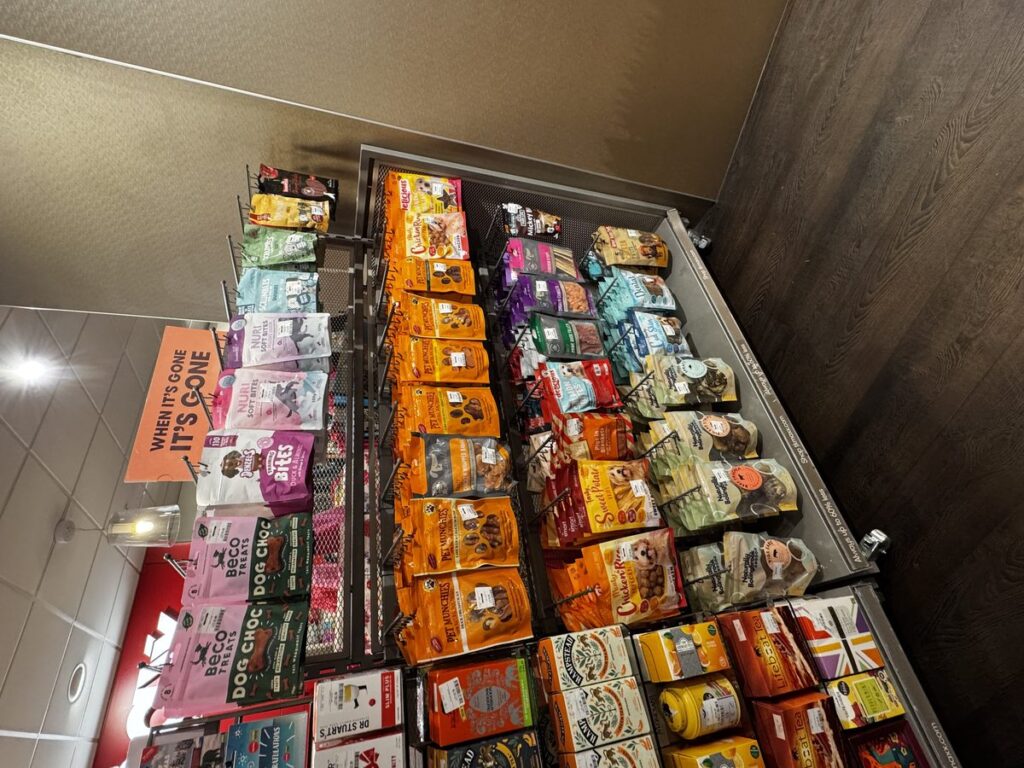
pet product distribution strategy — Distribution strategy determines how a pet product reaches the consumer who purchases it — and that path affects everything from pricing architecture to brand positioning to competitive defensibility. In a pet industry where products flow through diverse channels including specialty retail, mass retail, e-commerce, veterinary clinics, subscription services, and direct-to-consumer platforms, distribution strategy design has become more complex and more consequential than ever. This guide analyzes distribution strategy options, their business implications, and the design principles that create optimal market coverage for pet products.
pet product distribution strategy explained
The Strategic Significance of Distribution Design
Distribution as Competitive Strategy
Distribution is not merely logistics — it is strategic market positioning:
- Channel defines positioning — A product sold exclusively through veterinary clinics carries different positioning implications than the same product sold through mass retail. Channel selection signals quality, accessibility, and brand philosophy to consumers
- Channel determines margin architecture — Each distribution channel has different margin expectations and cost structures; channel selection directly determines how much margin remains for the manufacturer/brand
- Channel shapes competitive set — Products compete against other products in the same channel, not against all products in the category; channel selection defines who your real competitors are
- Channel affects brand control — Direct-to-consumer channels provide maximum brand presentation control; indirect channels through distributors and retailers provide less control but broader reach
- Channel influences innovation speed — Channels with shorter product introduction cycles (DTC, specialty retail) enable faster innovation deployment; channels with long introduction cycles (mass retail) slow innovation speed
The Pet Distribution Complexity
Pet products face distribution complexity beyond most consumer categories:
- Multi-channel necessity — Pet staple products (food, litter) require broad distribution for volume; pet specialty products (premium treats, supplements) require selective distribution for positioning; most brands need both
- Species segmentation — Dog products, cat products, and small animal products reach different consumer segments through different channel emphasis; a single distribution strategy rarely optimizes across all species
- Regulatory channel constraints — Health-positioned products may require veterinary channel access; regulatory claims sometimes restrict which channels can carry the product
- Service requirement variation — Staple food requires high availability and reliable delivery; specialty products require knowledgeable presentation and consumer education; channel selection must match service requirements
Distribution Intensity Strategies
Intensive Distribution
Intensive distribution places the product in every possible retail outlet to maximize availability:
- Strategy principle — Maximum availability = maximum sales volume; consumers should find the product wherever they shop for pet products
- Best-fit products — Staple pet food, litter, basic treats, essential accessories — products where availability drives purchase more than brand preference
- Channel targets — Pet specialty stores, mass retail (Target, Walmart), grocery stores, drug stores, warehouse clubs, online marketplaces
- Margin implication — Intensive distribution typically produces lower margins per unit due to wholesale margin requirements and mass retail pricing pressure; profitability depends on volume scale
- Brand risk — Intensive distribution across varied channel types can dilute brand positioning; a premium brand appearing on Walmart shelves next to value brands creates positioning inconsistency
- Competitive dynamics — Intensive distribution invites shelf competition with multiple similar brands; competitive advantage shifts to whoever achieves better shelf position, promotional investment, or price positioning
Selective Distribution
Selective distribution places the product in a curated set of retail outlets that match brand positioning:
- Strategy principle — Right retailers, not all retailers; brand presentation quality matters more than raw availability
- Best-fit products — Premium food, specialty treats, supplements, health products, innovative accessories — products where knowledgeable presentation and brand credibility drive purchase
- Channel targets — Independent pet specialty stores, premium pet boutiques, veterinary clinics, curated online retailers, DTC channels
- Margin implication — Selective distribution typically produces higher margins per unit because retailers invest in presentation and are willing to carry higher wholesale prices; profitability depends on per-unit margin rather than volume
- Brand benefit — Selective distribution maintains brand positioning consistency; curated retail environments present the brand appropriately
- Competitive dynamics — Selective distribution creates less direct shelf competition; competitive advantage shifts to brand differentiation and retailer relationship quality
Exclusive Distribution
Exclusive distribution grants a single retailer or limited set of retailers sole rights to carry the product in a defined territory:
- Strategy principle — Exclusivity creates scarcity perception and retailer commitment; the exclusive retailer invests in presentation because they have no competitive alternative on their shelves
- Best-fit products — Ultra-premium products, veterinary-exclusive health products, limited-edition or artisan products — products where scarcity enhances perceived value
- Channel targets — Single exclusive retailer per territory, veterinary clinics only, DTC-only
- Margin implication — Highest margins per unit; exclusivity reduces channel competition that drives down pricing
- Brand risk — Exclusive distribution limits total market access; if the exclusive retailer underperforms, market coverage is severely constrained
- Competitive dynamics — Minimal direct competition in the exclusive channel; competitive threat comes from alternative products in adjacent channels rather than same-channel shelf competition
Direct vs. Indirect Distribution
Direct Distribution Analysis
Direct distribution means the manufacturer/brand sells directly to end consumers without intermediary wholesalers or retailers:
| Dimension | Advantage | Disadvantage |
|---|---|---|
| Margin | Maximum margin retention (no wholesale/retail margin share) | High customer acquisition cost; lower volume |
| Brand control | Complete control over presentation, pricing, messaging | Must build all marketing capability internally |
| Customer data | Direct customer relationship and data access | Must build all data infrastructure |
| Market reach | Limited to customers who find your direct channel | Cannot match multi-channel retailer reach |
| Operations | Must handle fulfillment, returns, customer service | Operational complexity and cost |
| Speed | Fast product launch without channel negotiation | Limited scale when demand exceeds direct capacity |
Indirect Distribution Analysis
Indirect distribution uses wholesalers, distributors, and retailers as intermediary channels:
| Dimension | Advantage | Disadvantage |
|---|---|---|
| Margin | Margin shared with channel partners | Higher total sales volume offsets margin sharing |
| Brand control | Less control over in-store presentation | Leverages retailer marketing investment and shelf presence |
| Customer data | Limited direct customer data | Distributor and retailer sales data provides market intelligence |
| Market reach | Broad reach through established retailer networks | Depends on distributor/reteller relationship quality |
| Operations | Channel partners handle fulfillment and service | Channel partner service quality reflects on your brand |
| Speed | Slower product introduction through channel negotiation | Established channels provide credible launch platform |
Hybrid Distribution Strategy
Most successful pet brands employ hybrid distribution combining direct and indirect channels:
- DTC + selective retail — Direct website sales for margin and brand control, plus selective retail for reach and credibility. Best for premium and specialty brands
- DTC + Amazon — Direct website for full brand experience, Amazon for search-driven reach. Common for emerging and mid-size brands
- Distributor + direct key accounts — Distributor coverage for independent retailers, direct sales for major chain accounts. Common for established brands with significant volume
- DTC + distributor + specialty retail — Three-channel hybrid maximizing coverage while maintaining positioning. Requires careful channel conflict management
Omnichannel Distribution Design
Omnichannel Principles for Pet Products
Omnichannel distribution provides consistent brand experience across all channels while optimizing each channel’s unique strengths:
- Consistent core positioning — Brand positioning remains identical across channels; presentation adapts to channel context but positioning does not
- Channel-specific value emphasis — DTC emphasizes full brand story and direct relationship; Amazon emphasizes convenience and review credibility; retail emphasizes in-store experience and expert advice
- Price coherence — Maintain reasonable price consistency across channels; significant price variation creates channel conflict and consumer confusion
- Inventory coordination — Synchronize inventory visibility across channels; omnichannel customers expect product availability regardless of which channel they check
- Data integration — Connect customer data across channels for unified customer understanding; omnichannel analytics reveal cross-channel behavior patterns
Channel Conflict Management
Hybrid and omnichannel strategies create channel conflict risk that must be proactively managed:
- Price conflict — When your DTC price differs from retail price, retailers feel undercut or consumers feel overcharged. Solution: maintain consistent pricing with channel-specific promotional variation, not base price variation
- Territory conflict — When distributors sell outside their defined territory, they encroach on other distributors’ accounts. Solution: clear territory definitions with contractual enforcement and conflict resolution protocols
- Channel cannibalization — When DTC growth reduces retail sales without expanding total market, retailers reduce shelf commitment. Solution: position DTC as service complement (subscription, hard-to-find products) rather than retail substitute
- Product exclusivity conflict — When DTC-exclusive products appear desirable to retail customers, retailers feel disadvantaged. Solution: develop channel-appropriate product variants rather than hard exclusivity; or offer time-limited DTC exclusivity followed by retail rollout
Distribution Strategy by Product Category
Staple Pet Food Distribution
- Primary strategy — Intensive or selective-intensive; staple food requires broad availability because consumers purchase based on convenience and brand familiarity
- Channel mix — Specialty pet retail (credibility and education), mass retail (volume and convenience), online (subscription and comparison), DTC (premium positioning and margin)
- Key requirements — Reliable delivery, consistent availability, shelf space for multiple sizes, and promotional flexibility for competitive shelf position
Premium/Specialty Pet Food Distribution
- Primary strategy — Selective; premium positioning requires curated retail environments that present the brand appropriately
- Channel mix — Independent pet specialty (primary), curated online retailers, DTC website, veterinary clinics (for health-positioned products)
- Key requirements — Knowledgeable retailer staff, appropriate shelf positioning, consumer education materials, and brand-controlled presentation standards
Pet Treats Distribution
- Primary strategy — Selective-intensive; treats require broad enough availability for impulse purchase but selective enough for brand positioning
- Channel mix — Pet specialty (primary volume), mass retail (impulse volume), online (search-driven), DTC (premium positioning)
- Key requirements — Prominent shelf placement, impulse display locations, promotional flexibility, and cross-merchandising capability with food categories
Pet Supplements Distribution
- Primary strategy — Selective; supplements require knowledgeable presentation and credibility positioning
- Channel mix — Veterinary clinics (highest credibility), pet specialty (educated consumer), DTC (margin and relationship), online (search-driven research)
- Key requirements — Professional presentation, claim substantiation visibility, educational materials, and channel-specific regulatory compliance
Pet Accessories Distribution
- Primary strategy — Intensive for basic accessories, selective for premium/lifestyle accessories
- Channel mix — All pet retail channels for basics; curated specialty for premium
- Key requirements — Visual merchandising, tactile display capability, seasonal assortment rotation, and trend-responsive replenishment
International Distribution Strategy
Market Entry Distribution Approaches
| Approach | Investment | Speed | Control | Risk | Best-Fit Scenario |
|---|---|---|---|---|---|
| Distributor partnership | Low | Fast | Low | Moderate | First market entry, limited local knowledge |
| Direct online (DTC) | Medium | Moderate | High | Low | Market testing, small volume entry |
| Joint venture | High | Slow | Medium-High | Moderate | Large market commitment, strategic partnership |
| Own distribution subsidiary | Very High | Slow | Very High | High | Established market presence, long-term commitment |
Regional Distribution Considerations
- North America — Mature distribution infrastructure; distributor network well-established; hybrid strategies (distributor + DTC) most common for market entry
- Europe — Fragmented across countries; separate distributor relationships per country often required; EU regulatory compliance central, market execution local
- Asia-Pacific — Rapidly evolving distribution landscape; e-commerce channel dominance in many markets; distributor selection requires local market cultural understanding
- Latin America — Growing market with developing distribution infrastructure; distributor relationships require patience for infrastructure maturation
GlobalPetIndex’s country guides provide market-specific distribution landscape analysis and regulatory requirements for international distribution strategy design.
Distribution Strategy Measurement
Performance Metrics by Channel
| Metric | Direct Channel Target | Indirect Channel Target | Why It Matters |
|---|---|---|---|
| Market coverage (target retailer %) | N/A (direct) | >70% selective; >90% intensive | Measures distribution reach effectiveness |
| Channel margin contribution | >50% gross margin | 15–25% net margin after channel costs | Measures channel financial efficiency |
| Channel growth rate | >15% YoY | >10% YoY | Measures channel momentum |
| Customer acquisition cost | $20–$50 per customer | Lower (channel partner absorbs) | Measures investment efficiency |
| Brand presentation quality | Maximum control | Audit score >80/100 | Measures positioning consistency |
| Stock-out rate | <2% | <3% at retailer level | Measures availability reliability |
| Channel conflict incidents | Zero | <2 per quarter | Measures channel relationship health |
Distribution Strategy Decision Framework
Select distribution intensity based on product positioning and competitive dynamics:
Positioning-Distribution Alignment — Premium positioning requires selective or exclusive distribution maintaining brand cachet through limited availability. Value positioning benefits from intensive distribution maximizing market coverage through broad availability. The alignment principle: distribution intensity must match positioning intensity — premium brands in intensive distribution create positioning dilution; value brands in exclusive distribution create market coverage limitation.
Category-Distribution Fit — Pet food distribution strategy differs from pet treat strategy because purchase frequency and purchase stakes differ: food purchases are high-frequency, high-stakes decisions requiring broad availability (intensive distribution); treat purchases are lower-frequency, lower-stakes decisions where discovery and impulse drive sales (intensive or selective depending on positioning). Accessories distribution varies by product type: commodity accessories (leashes, bowls) benefit from intensive distribution; specialty accessories (designer beds, smart collars) benefit from selective distribution through specialty retailers.
Channel Evolution Sequence — New brands typically follow predictable distribution evolution sequence: (a) DTC-first establishing direct customer relationship and brand positioning; (b) marketplace addition (Amazon, Chewy) extending reach without retail relationship complexity; (c) specialty retail expansion building physical credibility through independent pet stores; (d) mass retail consideration only after brand recognition supports high-volume, lower-margin retail economics. Premature mass retail expansion before brand recognition establishment creates margin sacrifice without volume justification.
Conclusion
Distribution strategy design is the bridge between product creation and market success. The choice of distribution intensity, channel mix, direct vs. indirect approach, and international market entry method determines not just how products reach consumers, but how they are positioned, how margins are distributed, and how competitive advantages are built or lost.
The pet industry’s channel diversity — from veterinary exclusivity to mass retail ubiquity to DTC intimacy — creates both opportunity and complexity. Brands that design distribution strategy with deliberate alignment to their positioning, product requirements, and growth ambitions create sustainable market coverage that maximizes both reach and margin.
For additional distribution analysis, supply chain management guidance, and international market entry strategies, explore the pet business knowledge hub at GlobalPetIndex and search our company directory for distribution partners aligned with your strategy.
