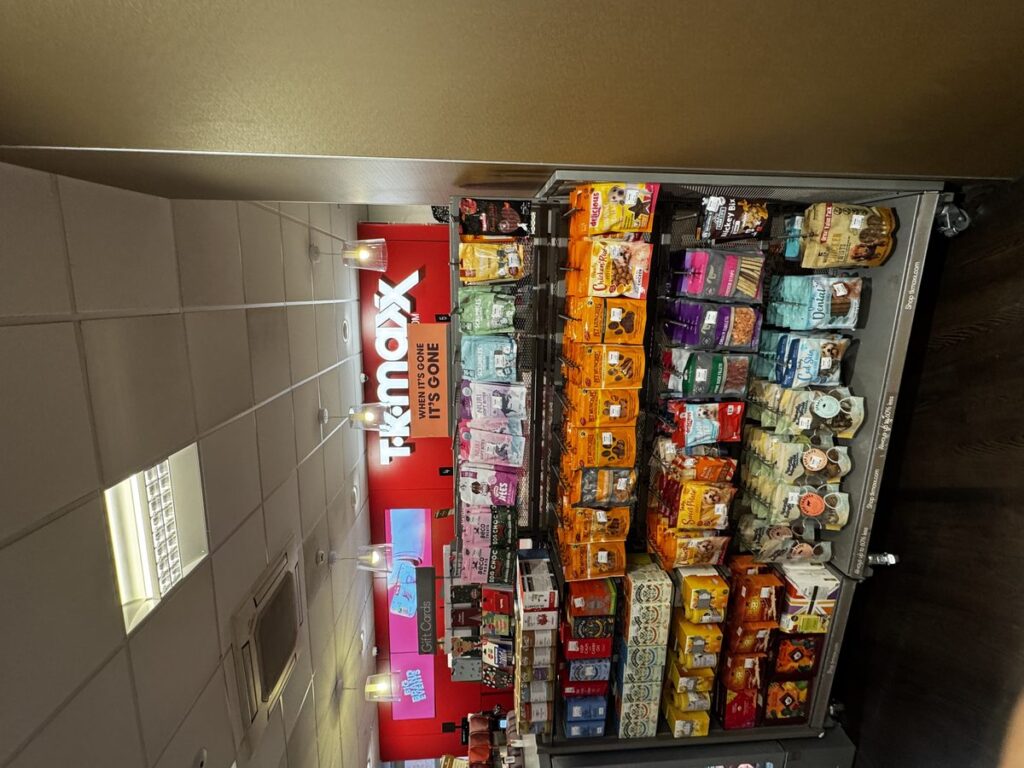
The global pet toy market reached $8.5 billion in 2024 and continues expanding as pet owners increasingly treat their animals as family members deserving enrichment, stimulation, and fun. Yet pet toy manufacturing carries unique challenges: products must withstand extreme physical stress (a large dog’s bite force exceeds 250 PSI), maintain material safety when chewed and ingested in small quantities, and appeal to both the pet (functionality) and the owner (aesthetics, price, perceived value). This guide covers the complete manufacturing journey from concept to retail shelf.
Context of the pet toy manufacturing
Understanding the Pet Toy Market Landscape
Product Categories and Market Segmentation
Pet toys fall into several functional categories, each with distinct manufacturing requirements:
- Chew toys — Rubber, nylon, natural bone, and composite materials designed for sustained chewing. Largest segment by revenue, especially for dogs
- Interactive/puzzle toys — Treat-dispensing, problem-solving designs that combine play with cognitive stimulation. Fastest-growing segment
- Fetch and outdoor toys — Balls, frisbees, launchers, floating toys for active play. Seasonal demand patterns
- Plush and soft toys — Stuffed animals, squeaky toys, comfort items. High replacement rate due to destruction
- Cat-specific toys — Wand teasers, laser pointers, catnip-filled items, scratch-integrated toys. Different material and safety requirements than dog toys
- Tug and rope toys — Braided cotton, nylon, or TPR rope configurations. High mechanical stress applications
Target Consumer Segmentation
Effective manufacturing starts with understanding who buys and why:
- Budget segment — Price-driven purchases, large volume, lower margins, mass-market retail channels
- Mid-market — Balance of quality and price, branded products, pet specialty retail and online
- Premium segment — Innovative design, superior materials, safety guarantees, direct-to-consumer and specialty retail
- Eco/natural segment — Sustainable materials, non-toxic claims, recyclable packaging, premium pricing justified by values alignment
GlobalPetIndex’s industry category pages detail market size, growth rates, and competitive landscape data for each toy segment.
Design and Development Process
Concept Development
Pet toy design must satisfy dual requirements — animal functionality and human appeal:
- Animal behavior research — Study species-specific play patterns: dogs chase, chew, tug; cats stalk, bat, pounce. Design must align with instinctual behaviors
- Ergonomic considerations — Toy size, weight, texture, and grip must match target animal size and jaw/bite characteristics
- Human aesthetic factors — Color selection (humans prefer bright, modern palettes; dogs see limited color spectrum), packaging design, visual merchandising potential
- Safety-first design — Eliminate small detachable parts, sharp edges, potential strangulation hazards, and ingestion risks in the design phase rather than relying on warnings
Material Selection
Material choice determines safety, durability, cost, and environmental impact:
Rubber and Elastomer Materials
| Material | Durability | Cost | Safety Profile | Best Application |
|---|---|---|---|---|
| Natural rubber | High | Medium | Excellent (biodegradable, non-toxic) | Premium chew toys |
| TPR (Thermoplastic Rubber) | Medium-High | Low-Medium | Good (food-grade grades available) | Mid-market chew toys |
| Silicone | Medium | High | Excellent (medical/food grades available) | Premium toys, puppy toys |
| Nylon | Very High | Low | Good (but fragments can be sharp when broken) | Extreme chewer toys |
| Ziegler rubber compounds | Very High | High | Good (proprietary blends) | Ultra-durable premium toys |
Fabric and Plush Materials
- Polyester fiber fill — Standard stuffing material; must be non-toxic and without flame retardant chemicals that are harmful if ingested
- Cotton canvas — Durable fabric for outer shells; natural fiber appeals to eco-conscious buyers
- Microfiber plush — Soft outer material for comfort toys; must meet toy safety standards for chemical migration
- Recycled fabrics — Growing market demand; requires verified supply chain for authentic recycled content claims
Rope and Cord Materials
- Cotton rope — Traditional, natural, digestible in small quantities; concerns about pesticide residues in non-organic cotton
- Nylon rope — Extremely durable; ingestion of nylon fibers poses intestinal risk
- TPR rope — Hybrid durability with reduced ingestion risk; growing market adoption
Rapid Prototyping
Modern pet toy development leverages rapid prototyping tools:
- 3D printing — FDM or SLA printing for initial concept validation and ergonomic testing with real animals
- Soft tooling — Silicone mold casting for small batch testing before committing to production tooling
- Digital simulation — Finite element analysis (FEA) for stress prediction in chew toy designs before physical prototyping
- User testing — Structured play testing with representative animals of target size/breed, documenting interaction patterns and failure modes
Production Manufacturing Processes
Injection Molding (Rubber and Plastic Toys)
The primary manufacturing method for durable pet toys:
- Tooling development — Steel or aluminum molds designed for the specific product geometry. Production molds cost $10,000–$80,000 depending on complexity; soft tooling alternatives exist for lower-volume products
- Material preparation — Raw TPR, rubber compound, or plastic resin pellets dried to specification moisture levels
- Molding cycle — Material heated to flowing temperature (TPR: 160–200°C), injected into closed mold at high pressure (800–1500 bar), cooled under pressure, then demolded
- Post-molding operations — Deflashing (removing excess material at mold seams), assembly of multi-component toys, squeaker insertion for plush-type molded toys
- Quality checkpoints — Weight verification, dimensional inspection, visual defect screening at demolding and post-processing stages
Key Injection Molding Parameters
- Cycle time optimization — Balance cooling time (product integrity) vs. throughput (production cost). Typical cycle: 30–120 seconds depending on wall thickness
- Multi-cavity molds — 4–32 cavities per mold for high-volume products; each cavity must produce identical quality
- Insert molding — Overmolding squeakers, rope elements, or metal components directly into the toy body during molding
- Color molding — Masterbatch colorants added to raw material; must meet toy safety standards for heavy metals and chemical migration
Plush Toy Manufacturing
Plush and soft toy production follows a garment manufacturing workflow:
- Pattern cutting — Fabric panels cut from roll stock using automated cutting machines (CNC knife or laser cutters) per design patterns
- Sewing and assembly — Industrial sewing machines join panels; critical seam strength requirements (minimum 30N per inch for dog plush toys)
- Stuffing — Polyester fiber fill inserted by automated stuffing machines; fill density determines product feel and durability
- Squeaker/feature insertion — Plastic squeakers, crinkle material, or catnip pouches inserted before final seam closure
- Finishing — Final seam closure, trimming, quality inspection, and packaging
Plush Toy Safety Considerations
- Squeaker security — Squeakers must be enclosed in internal fabric pockets that resist extraction even when the toy is damaged; secondary containment prevents ingestion
- Seam reinforcement — Double-stitched or triple-stitched seams at stress points; bar-tack reinforcement at corner junctions
- Eye/nose attachment — Plastic features must be locked-fit (not glued) and withstand pull testing; embroidered features preferred for premium safety
- Stuffing migration — Inner lining fabric that contains stuffing even when outer shell is breached, reducing ingestion exposure
Rope Toy Manufacturing
- Material preparation — Rope stock cut to specified lengths; cotton, nylon, or TPR rope per design specification
- Braiding — Multi-strand braiding machines produce braided configurations (3-strand, 4-strand, 6-strand); braid density affects durability
- Knotting and assembly — Hand or machine knotting creates handle loops, ball shapes, and figure-8 configurations; knot security is a critical quality parameter
- Fusing and finishing — Heat-fused ends prevent unraveling; rubber or TPR grips added via overmolding in some designs
- Tensile testing — Every production lot tested for minimum break strength per size category specifications
Interactive and Puzzle Toy Manufacturing
Interactive toys combine multiple manufacturing processes:
- Injection molded bodies — Main housing from TPR, ABS, or polypropylene
- Internal mechanisms — Treat dispensing channels, sliding panels, rotating elements — precision-molded components
- Assembly — Multi-step assembly requiring fit tolerance management; ultrasonic welding or mechanical snap-fit for permanent joints
- Functional testing — Every unit tested for treat dispensing function, mechanism operation, and component security before packaging
Safety Testing and Certification
Mechanical Safety Testing
| Test | Method | Pass Criteria | Applicable Products |
|---|---|---|---|
| Bite force resistance | Simulated jaw clamp test | No fracture at target PSI rating (150 PSI medium, 250 PSI heavy) | Chew toys |
| Drop test | 1.5m drop onto concrete, 3 cycles | No hazardous fragment generation | All hard toys |
| Pull/apart test | Tensile pull at 90N for 10 seconds | No small parts detachment | Plush, assembled toys |
| Seam strength test | Tensile pull per inch specification | ≥30N per inch (dog), ≥15N per inch (cat) | Plush toys |
| Tug resistance | Cyclic tensile load (1000 cycles at 50% rated load) | No structural failure | Rope and tug toys |
| Choking hazard assessment | Small parts cylinder (31.7mm diameter) | No detachable parts fit in cylinder | All toys for small dogs and cats |
Chemical Safety Testing
- Heavy metals — Lead (<90 ppm), cadmium (<50 ppm), mercury, arsenic per ASTM F963 and EN 71-3 limits
- Phthalates — DEHP, DBP, BBP restricted per EU and California regulations; total phthalate content limits in flexible plastic components
- BPA — Testing for bisphenol A in plastic components, especially toys that may contact pet mouths
- Formaldehyde — Fabric and adhesive testing per ISO 14184 limits
- Flame retardants — Screening for organophosphate and halogenated flame retardants that pose toxicity risk if ingested
Voluntary Safety Certifications
- ASTM F963 compliance — Consumer toy safety standard adapted for pet products; baseline safety certification
- EN 71 compliance — European toy safety standard series; required for EU market access
- ISO 8124 — International toy safety standard; recognized across multiple markets
- NASC seal — National Animal Supplement Council quality verification (for toys with functional claims)
- CE marking — Required for pet toy sales in European markets per toy safety directives
Packaging and Labeling Requirements
Pet Toy Packaging Standards
- Durability rating labeling — Light, medium, or heavy chewer classification clearly stated on packaging
- Size/weight guidance — Recommended pet size and weight range for safe use
- Supervision warnings — “Always supervise your pet during play” — standard warning across all toy categories
- Material disclosure — Primary material composition stated on packaging (natural rubber, TPR, nylon, cotton, etc.)
- Replacement guidance — Instructions for inspecting and replacing worn or damaged toys
- Country-of-origin labeling — Required in virtually all markets; “Made in [Country]” clearly printed
Retail Packaging Design
- Clamshell and blister packs — Visual product display with protection; common for premium and mid-market toys
- Header card packaging — Economical display packaging with brand space; common for rope toys and value items
- Window box packaging — Product visible through transparent panel; effective for interactive and puzzle toys
- Minimal/eco packaging — Recycled cardboard, reduced plastic, soy-based inks; premium positioning for eco brands
- Multi-pack configurations — Value packs and variety sets for mass-market channels; cost-efficient production and shipping
Scaling Pet Toy Manufacturing Operations
Production Capacity Planning
- Low volume (<10,000 units/month) — Soft tooling, manual assembly, small batch production; typical for startup brands and specialty products
- Medium volume (10,000–100,000 units/month) — Production tooling, semi-automated assembly, dedicated QC processes; common for established mid-market brands
- High volume (>100,000 units/month) — Multi-cavity production molds, fully automated assembly, statistical process control; required for mass-market and major retail brands
OEM/ODM Manufacturing Considerations
Many pet toy brands utilize OEM or ODM manufacturing partnerships. Key considerations:
- OEM partnerships — Brand provides complete design and specifications; factory executes production. Brand controls IP, factory provides capacity
- ODM partnerships — Factory provides existing designs that the brand customizes (color, packaging, labeling). Faster market entry, less design investment, shared IP considerations
- Contract terms — Minimum order quantities, exclusivity clauses, tooling ownership, quality specifications, lead time commitments
- IP protection — Register designs and trademarks before engaging OEM partners; contractual IP protection clauses essential
For finding qualified OEM/ODM toy manufacturers, GlobalPetIndex’s factory directory lists verified production capabilities, certifications, and specializations.
Cost Structure Analysis
Pet Toy Manufacturing Cost Components
| Cost Component | Percentage Range | Key Variables |
|---|---|---|
| Raw materials | 25–40% | Material type, volume pricing, quality grade |
| Tooling amortization | 5–15% | Mold complexity, production volume, tool life |
| Direct labor | 15–25% | Automation level, geographic labor rates |
| Overhead (factory) | 10–15% | Facility costs, energy, maintenance |
| QC and testing | 5–10% | Testing scope, third-party lab costs |
| Packaging | 5–10% | Package type, material, print quality |
| Logistics | 5–8% | Shipping distance, mode, volume |
Margin Considerations by Channel
- Mass retail — Wholesale price typically 25–35% of retail; high volume, low margin
- Pet specialty — Wholesale price typically 40–50% of retail; moderate volume, moderate margin
- Direct-to-consumer — Manufacturing cost typically 20–30% of DTC price; lower volume, highest margin
- Amazon marketplace — Net margin after fees typically 15–25%; variable volume, complex fee structure
Pet Toy Safety Testing Protocol
Pet toy safety testing must address both mechanical and chemical safety concerns:
Mechanical safety testing — (a) Bite force resistance testing: simulate maximum bite force for target species (dog toys: 200–400 psi for medium dogs, 400–600 psi for large dogs); (b) Small parts liberation testing: verify that no parts smaller than 1.5 inch diameter can separate from toy during destructive chewing (ingestion hazard); (c) Sharp edge testing: verify that toy edges remain smooth even after destructive chewing damage; (d) String/cord length testing: verify that any strings or cords are shorter than 12 inches (entanglement hazard for cats) or longer than 36 inches with breakaway mechanism (strangulation hazard prevention).
Chemical safety testing — (a) Heavy metal screening: lead, cadmium, mercury, arsenic below regulatory limits; (b) Phthalate screening: DEHP, DBP, BBP below regulatory limits (particularly important for soft/pliable toys); (c) BPA screening: below regulatory limits for toys that may contact pet mouth; (d) Flame retardant screening: below regulatory limits for toys with fire retardant treatment; (e) Volatile organic compound (VOC) testing: below threshold for toys with adhesive, paint, or coating components.
Durability classification testing — Test toy durability against classification claims: (a) “Light chew” toys must survive 1 hour of moderate chewing without structural failure; (b) “Moderate chew” toys must survive 4 hours of moderate chewing without structural failure; (c) “Heavy chew” toys must survive 8 hours of heavy chewing without structural failure or small parts liberation; (d) “Power chew” toys must survive 24 hours of power chewing with only gradual degradation (no sudden structural failure). Durability classification testing provides substantiated claims that reduce customer disappointment from inappropriate durability expectations.
Conclusion
Pet toy manufacturing demands a careful balance of animal safety, human appeal, production efficiency, and cost management. Success requires understanding both the end consumer (the pet) and the purchasing decision-maker (the owner), selecting appropriate materials and manufacturing processes, implementing rigorous safety testing, and building production partnerships that deliver consistent quality at viable cost.
Whether you are a Manufacturer establishing your own production capability, a Brand selecting an OEM/ODM partner, or a Wholesaler evaluating supplier quality, GlobalPetIndex provides the industry intelligence and company data to support informed decisions throughout the pet toy supply chain.
Explore additional manufacturing guides, brand building strategies, and sourcing resources in our pet business knowledge hub.
