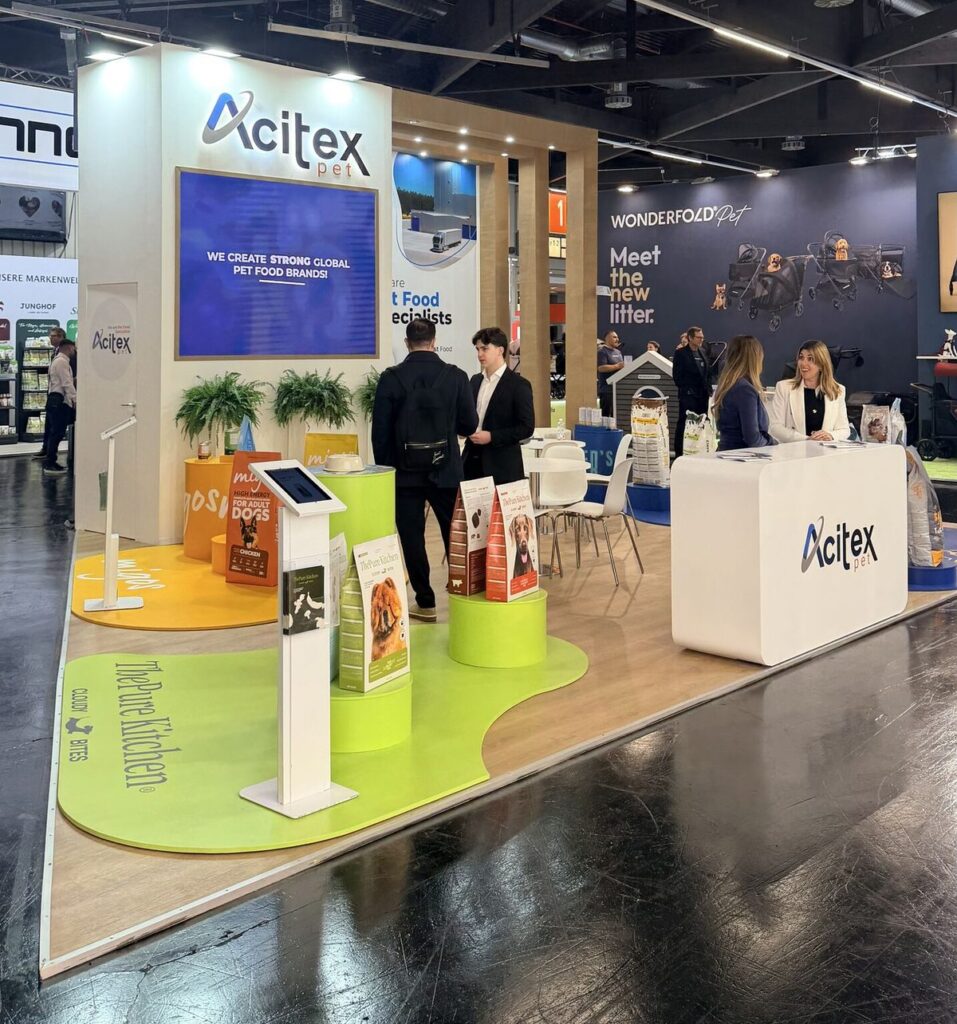
pet food manufacturing process: Guide: From Raw Ingredients to Finished Product
The global pet food market exceeded $130 billion in 2024, driven by premiumization, health-conscious pet owners, and expanding pet populations worldwide. For manufacturers, OEM factories, and brand owners seeking to enter or scale in this lucrative sector, understanding the full manufacturing process is non-negotiable. This guide walks through every stage of pet food production — from raw ingredient procurement to the finished bag or can on a retailer’s shelf.
pet food manufacturing process explained
Why Understanding the Manufacturing Process Matters
Whether you operate as a Manufacturer producing your own branded products, an OEM/ODM Factory serving multiple brand clients, or a Brand outsourcing production to contract manufacturers, deep process knowledge empowers you to:
- Optimize production costs without sacrificing nutritional integrity
- Ensure regulatory compliance across target markets (FDA, EU, AAFCO standards)
- Troubleshoot quality issues quickly and minimize recalls
- Negotiate effectively with suppliers and co-packers
- Develop innovative formulations that stand out in a crowded market
GlobalPetIndex’s industry database provides verified manufacturer profiles, production capabilities, and certification data to help you find the right partners for every stage of production.
Stage 1 — Ingredient Sourcing and Procurement
Core Ingredient Categories
Pet food formulations typically draw from four primary ingredient groups:
- Protein sources — Chicken meal, lamb meal, fish meal, beef, poultry by-product meal, plant proteins (soy, pea)
- Carbohydrate sources — Corn, wheat, rice, barley, oats, potatoes, sweet potatoes, tapioca
- Fat sources — Chicken fat, fish oil, sunflower oil, flaxseed, pork fat
- Functional additives — Vitamins, minerals, preservatives, antioxidants, amino acids, probiotics, flavor enhancers
Sourcing Best Practices
Quality pet food starts with quality ingredients. Leading manufacturers follow rigorous sourcing protocols:
- Supplier qualification — Audit suppliers for food safety certifications (GFSI-recognized schemes like BRC, FSSC 22000), traceability systems, and contaminant testing
- Specification sheets — Define detailed specs for each ingredient including protein content, moisture levels, ash limits, microbial thresholds, and heavy metal limits
- Incoming inspection — Test every batch against specs before acceptance; reject non-conforming lots immediately
- Geographic diversification — Source from multiple regions to mitigate supply disruption risks
For manufacturers seeking verified ingredient suppliers, GlobalPetIndex’s company directory lists qualified raw material providers with certification details and export capabilities.
Ingredient Storage and Handling
Once ingredients arrive at the manufacturing facility, proper storage prevents degradation and contamination:
- Temperature control — Store fats and oils in temperature-regulated areas; refrigerate or freeze fresh meat ingredients
- Moisture management — Keep dry ingredients in humidity-controlled environments (below 60% RH) to prevent mold and mycotoxin growth
- Rotation systems — Implement FIFO (First In, First Out) inventory rotation to minimize aging
- Pest prevention — Maintain integrated pest management programs in all storage areas
- Segregation — Separate raw animal-derived ingredients from finished product zones to prevent cross-contamination
Stage 2 — Formulation and Recipe Development
Nutritional Requirements and AAFCO Compliance
Every pet food sold in the United States must meet nutritional standards established by AAFCO (Association of American Feed Control Officials). Key considerations:
- Life stage profiles — Formulations must meet AAFCO nutrient profiles for growth (puppy/kitten), maintenance (adult), or all life stages
- Feeding trial vs. formulation method — Brands can validate nutritional adequacy through feeding trials (preferred, more costly) or by meeting calculated nutrient profiles
- Regional variations — EU FEDIAF standards differ slightly from AAFCO; manufacturers targeting both markets must reconcile requirements
Working with Nutritionists
Professional pet food nutritionists bring critical expertise:
- Macro and micronutrient balancing — Ensuring correct ratios of protein, fat, fiber, vitamins, and minerals
- Palatability optimization — Selecting flavor components that drive acceptance without relying on artificial attractants
- Digestibility testing — Predicting and measuring nutrient bioavailability
- Allergen management — Designing limited-ingredient or grain-free formulations for sensitive animals
- Cost optimization — Achieving nutritional targets within budget constraints through strategic ingredient substitution
Formulation Documentation
Maintain comprehensive records for each formulation:
- Master formula sheet — Exact ingredient percentages, supplier details, and lot tracking
- Nutrient analysis — Calculated composition and guaranteed analysis targets
- Processing parameters — Specific extrusion or canning conditions required for that formula
- Regulatory compliance documentation — AAFCO statement, label compliance review, regional regulatory clearance
- Change control log — Document every formulation modification with justification and approval signatures
Stage 3 — Dry Pet Food (Kibble) Manufacturing
Dry kibble represents approximately 70% of the global pet food market by volume. The extrusion process is the dominant production method.
Pre-Extrusion: Grinding and Mixing
- Grinding — Raw dry ingredients (meals, grains, fibers) pass through hammer mills or roller mills to achieve uniform particle size (typically 500–800 microns for optimal extrusion)
- Weighing and batching — Automated batching systems measure ingredients according to the master formula, with manual verification checkpoints
- Dry mixing — Screw mixers or ribbon blenders combine ground ingredients for 3–5 minutes to ensure homogeneity
- Pre-conditioning — The dry mix enters a preconditioner where steam and water are added, raising moisture to 25–30% and temperature to 80–90°C. This initiates starch gelatinization and cooks proteins partially
Extrusion Cooking
The extruder is the heart of dry pet food production:
- Screw configuration — Single-screw or twin-screw extruders; twin-screw models offer better mixing, flexibility for varied formulations, and higher throughput
- Temperature profile — Barrel zones heat the dough progressively, reaching 120–150°C at the die. This ensures complete starch gelatinization, protein denaturation, and microbial kill
- Pressure and shear — High pressure (20–40 bar) and mechanical shear create the cooked dough matrix
- Die cutting — The cooked dough exits through shaped dies (round, triangular, bone-shaped) and is cut by rotating knives into individual kibble pieces
- Expansion — The rapid pressure drop at the die causes the kibble to expand, creating the characteristic porous texture that aids digestibility and palatability
Post-Extrusion: Drying, Coating, and Cooling
- Drying — Kibble enters a conveyor dryer (forced-air or belt-type) to reduce moisture from 25–30% down to 8–10%, the target for shelf stability. Typical drying takes 15–25 minutes at 90–110°C
- Coating — A coating drum applies liquid fat, flavor enhancers, and functional additives (vitamins sensitive to heat are applied post-extrusion). This step is critical for palatability — uncoated kibble has significantly lower acceptance rates
- Cooling — Counter-flow coolers bring kibble temperature to near-ambient before packaging, preventing condensation inside bags
Stage 4 — Wet Pet Food (Canned) Manufacturing
Wet pet food accounts for approximately 25% of the market and commands premium positioning due to higher palatability and moisture content.
Ingredient Preparation
- Meat handling — Fresh or frozen meat arrives, is thawed (if frozen), ground to specified particle size, and may be pre-cooked depending on formulation
- Chunk-and-loaf vs. paté — Different textures require different preparation: chunks are cut or formed separately, while paté-style products use fine-ground emulsions
- Gel and gravy preparation — Thickening agents (carrageenan, guar gum, modified starches) are prepared as separate streams that combine during filling
Filling and Sealing
- Can filling — Automated fillers deposit measured portions of meat mixture, gravy, and gel into cans or trays at high speed (300–600 cans/minute for rotary fillers)
- Weight verification — Inline checkweighers verify every container meets label weight claims
- Sealing — Double-seam closing machines create hermetic seals on metal cans; heat-sealing equipment closes retortable plastic trays or pouches
- Vacuum or nitrogen flush — Some products receive vacuum sealing or nitrogen flush to reduce oxidation
Retort Sterilization
This is the critical food safety step for wet pet food:
- Retort types — Batch retorts (still, agitating, or rotary) or continuous hydrostatic retorts for high-volume operations
- Time-temperature profiles — Typical schedules reach 121–130°C for 30–90 minutes depending on container size and product density. These parameters are validated through thermal death time studies
- F₀ value monitoring — Modern retorts calculate cumulative lethality (F₀ values) in real-time, ensuring consistent microbial kill regardless of initial product temperature variations
- Process authority — A trained process authority must develop and validate every retort schedule, filed with regulatory authorities where required
Stage 5 — Quality Control and Testing
Quality control in pet food manufacturing is not optional — it is a regulatory requirement and a brand survival imperative. A single recall can cost millions and permanently damage consumer trust.
In-Process Testing
| Test | Frequency | Target |
|---|---|---|
| Moisture content | Every 15 minutes | 8–10% (dry), per spec (wet) |
| Temperature monitoring | Continuous | Per validated process parameters |
| Product weight | Every container | Label claim ± tolerance |
| Visual inspection | Continuous | Color, shape, foreign material |
| Kibble density/bulk density | Every batch | Per specification range |
Finished Product Testing
Every production lot must undergo comprehensive testing before release:
- Proximate analysis — Protein, fat, fiber, moisture, ash (guaranteed analysis verification)
- Microbiology — Salmonella, Listeria, E. coli, coliforms, aerobic plate counts
- Nutrient verification — Vitamin and mineral levels vs. formulation targets
- Mycotoxin screening — Aflatoxin, DON, fumonisin, zearalenone — especially critical for grain-containing formulas
- Heavy metals — Lead, arsenic, cadmium, mercury
- Palatability testing — First-choice and consumption ratio tests vs. benchmarks
- Digestibility — In-vivo or in-vitro digestibility coefficients for key nutrients
- Shelf-life validation — Accelerated and real-time stability testing confirming label shelf life claims
HACCP and Preventive Controls
FDA’s Food Safety Modernization Act (FSMA) requires all pet food manufacturers to implement preventive controls:
- Hazard analysis — Identify biological, chemical, and physical hazards at every process step
- Critical control points — Define monitoring procedures, corrective actions, and verification activities for each CCP
- Recall plan — Maintain a written recall plan with traceability to ingredient lot level
- Supplier verification — Audit and verify all ingredient suppliers per FSMA requirements
For detailed quality control frameworks, see our companion article on pet product quality control standards.
Stage 6 — Packaging and Labeling
Packaging Selection
- Dry food — Multi-wall paper bags (2–30 lb), plastic bags, or laminated pouches. Barrier properties (moisture, oxygen, light) determine shelf life
- Wet food — Steel cans, aluminum trays, retort pouches, plastic tubs. Must withstand retort processing
- Fresh/refrigerated — High-barrier trays with modified atmosphere packaging or vacuum sealing
- Semi-moist — Pouches with moisture barrier layers to prevent drying or mold
Label Compliance
Pet food labels must comply with specific regulatory requirements that differ from human food:
- Product name — Must accurately reflect content per AAFCO naming rules (e.g., “Chicken Dog Food” requires ≥95% chicken; “Chicken Dinner” requires ≥25%)
- Guaranteed analysis — Minimum crude protein, minimum crude fat, maximum crude fiber, maximum moisture
- Ingredient list — Declared in descending order by weight
- Nutritional adequacy statement — AAFCO compliance claim and method (formulation or feeding trial)
- Feeding guidelines — Recommended daily amounts by weight
- Manufacturer/distributor information — Name and address
- Net weight — Accurate weight declaration
- Country-specific requirements — EU, China, Japan, Brazil each impose additional labeling mandates
Stage 7 — Warehousing and Distribution
Manufactured pet food must reach distribution channels without quality degradation:
Warehouse Management
- Temperature control — Store dry food below 25°C, wet food per specifications
- Humidity monitoring — Keep below 60% RH to prevent moisture migration into packaging
- Pest control — Integrated pest management programs with regular audits
- FIFO enforcement — Systematic stock rotation minimizing aged inventory
- Lot traceability — Maintain lot-level location tracking for rapid recall capability
Distribution Considerations
- Transport temperature — Protect product from extreme heat during transit (especially critical for semi-moist and treat products)
- Pallet configuration — Standardized pallet patterns that prevent bag damage and optimize truck cube utilization
- Retail chain requirements — Major retailers impose specific packaging, labeling, and delivery window requirements that manufacturers must accommodate
GlobalPetIndex’s country guides detail market-specific distribution infrastructure and regulatory requirements for pet food exports.
Key Performance Metrics for Pet Food Manufacturers
Successful manufacturers track these operational KPIs:
| Metric | Target Range | Why It Matters |
|---|---|---|
| First-pass yield | 95–98% | Indicates formulation and process stability |
| Moisture consistency (σ) | <0.5% | Directly impacts shelf life and quality |
| Production cost per ton | Varies by formula | Competitive pricing foundation |
| Recall incidents (5-year) | Zero | Brand reputation and regulatory standing |
| Energy consumption per ton | Benchmark vs. peers | Sustainability and cost management |
| Changeover time | <45 minutes | Production flexibility for multi-formula lines |
| Inventory days on hand | 30–45 days | Balance freshness with availability |
Emerging Trends in Pet Food Manufacturing
Alternative Proteins
Insect protein (black soldier fly larvae), plant-based blends, and cell-cultured meat are entering the formulation landscape. Manufacturers must adapt equipment and processes:
- Insect protein — Requires different drying and grinding parameters; regulatory approval varies by country
- Plant-based blends — Higher fiber content affects extrusion behavior; palatability challenges require specialized coating strategies
- Fresh/refrigerated — Shorter shelf life demands cold-chain logistics and smaller, more frequent production runs
Sustainability and Circular Economy
- Upcycled ingredients — Using food processing by-products (brewer’s rice, rendered proteins) aligns with sustainability goals and reduces cost
- Carbon footprint tracking — Leading brands now disclose per-product carbon data, requiring manufacturer cooperation on energy and transport data
- Packaging innovation — Recyclable, compostable, and reduced-plastic packaging solutions increasingly required by retail partners
Digital Manufacturing
- IoT sensors — Real-time monitoring of extrusion parameters (temperature, pressure, moisture) enables predictive quality adjustments
- AI-driven formulation — Machine learning tools optimize recipes for cost, nutrition, and processing efficiency simultaneously
- Blockchain traceability — Immutable lot-level tracking from ingredient to finished product addresses both regulatory and consumer transparency demands
Conclusion
Pet food manufacturing is a complex, regulated, and innovation-driven process. Success requires meticulous attention to ingredient quality, validated processing parameters, rigorous quality control, and compliance with evolving regulations across target markets.
Whether you are an established Manufacturer scaling production, an OEM Factory expanding client services, or a Brand selecting a contract manufacturer, GlobalPetIndex provides the industry data, company profiles, and market insights to support informed decisions at every stage.
Explore our pet business knowledge hub for additional guides on quality control, treat manufacturing, OEM partnerships, and supply chain management.
