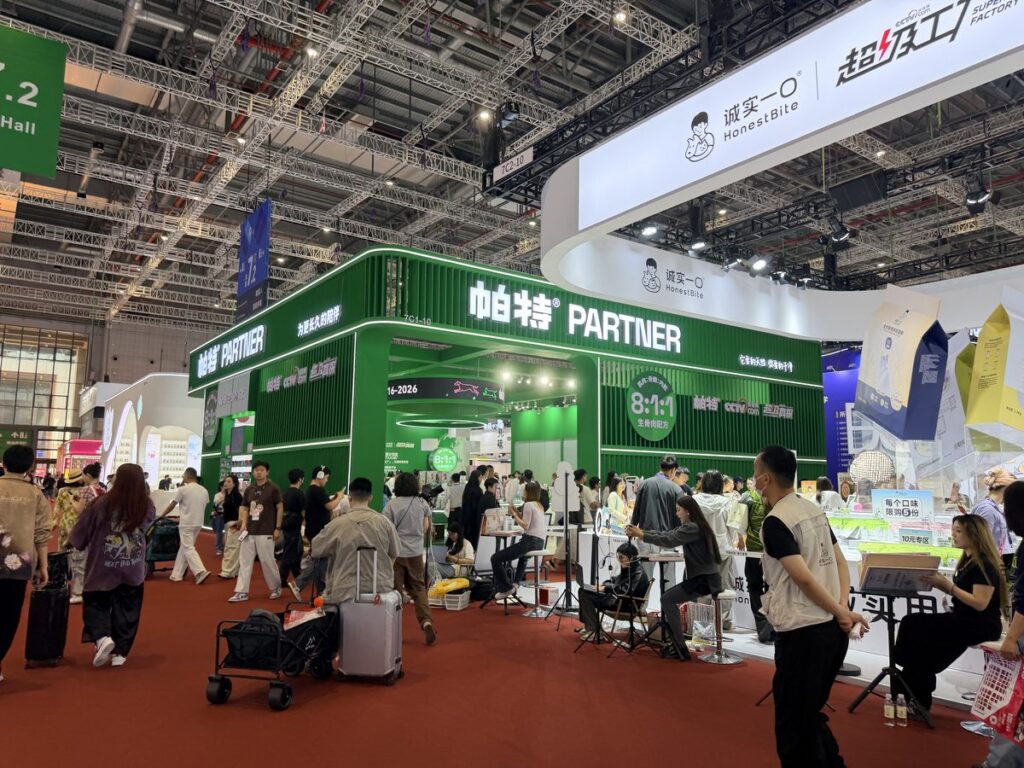
T/CGLA 0005-2026 Sets New pet market china Rules for Dog and Cat Trading in 2026
Executive Summary. China has released a national group standard, T/CGLA 0005-2026, to regulate the trading of pet dogs and cats. The standard, issued by the China Light Industry Association of Gifts, Leisure & Hobby Articles (CGLA), sets a 90-day minimum sale age, mandatory one-pet-one-code traceability, animal-welfare display limits and a 15-day health guarantee. For the pet market china, the rule is the most comprehensive attempt so far to curb “week-pet” fraud and raise pet product compliance across online and offline sellers.
Key Facts
- Standard
- T/CGLA 0005-2026 Management Specification for Trading of Pet Dogs and Cats
- Issuing body
- China Light Industry Association of Gifts, Leisure & Hobby Articles (CGLA)
- Published
- 2026-08-07
- Minimum sale age
- 90 days
- Traceability
- One-pet-one-code via microchip or biometric recognition
- Health guarantee
- Minimum 15 natural days
- Display limits
- ≤4 hours per session, cumulative ≤8 hours
What Happened
The standard was published on the National Group Standard Information Platform on August 7, 2026, following a review meeting in June and a formal launch event in August. It applies to business entities selling dogs and cats to end consumers, including both online and offline channels. The drafting group includes e-commerce platforms Tmall, JD.com and Douyin operator 格物致品, pet-food company Royal Canin Shanghai, veterinary chain New Ruipeng Pet Healthcare, and South China Agricultural University.
Background
China’s urban pet dog and cat market exceeded RMB 300 billion in 2025, according to the 2026 China Pet Industry White Paper. While 82.6% of owners still buy pets offline, 15.8% use online channels. Rapid growth has produced widespread consumer complaints about sick animals sold as healthy, commonly called “week pets” because they fall ill shortly after purchase. Existing national laws covered animal disease control and e-commerce in general, but there was no dedicated standard for live-pet trading practices.
Live-stream pet sales on platforms such as Douyin, Kuaishou and Taobao Live have made the problem worse by compressing decision times and making it hard for buyers to verify animal health. The new standard does not carry the force of national law, but because it was drafted with input from Tmall, JD.com, Douyin and major veterinary chains, platform adoption is likely. Sellers who fail to comply risk removal from major e-commerce channels and consumer lawsuits.
Industry Context
T/CGLA 0005-2026 fills that gap by covering the full transaction chain: pre-sale preparation, information disclosure, contract signing, transport, delivery and after-sale dispute resolution. For pet product compliance, the standard requires sellers to display a business licence with pet-sales scope, maintain clean and temperature-controlled premises, provide isolation for young or sick animals, and deliver a health certificate and vaccination record within seven days of handover.
Market & Business Impact
The standard raises operating costs for small, unlicensed breeders and sellers who cannot meet the 90-day age, microchip and 15-day guarantee requirements. It also creates new service demand for veterinary clinics, microchip registries and qualified transport providers. For foreign brands and investors, the document signals that the pet market china is moving from rapid, loosely regulated growth toward a more structured compliance environment.
Compliance costs are likely to benefit larger, organized players. E-commerce platforms now have a documented benchmark they can use to delist non-compliant sellers, which could concentrate market share among licensed breeders and chain retailers. Veterinary groups such as New Ruipeng stand to gain from mandatory health checks, vaccination records and the implied need for spay/neuter counseling. The standard may also accelerate demand for pet insurance and traceability technology.
Companies & Brands Involved
The drafting consortium mixes platforms, manufacturers, veterinary groups and research institutions. Tmall and JD.com dominate online pet product sales; Douyin is a growing live-commerce channel for pets. Royal Canin Shanghai represents international pet-food players with a stake in traceable, healthy puppy and kitten supply chains. New Ruipeng is one of China’s largest veterinary chains.
Data & Evidence
- China urban pet dog and cat market 2025: >RMB 300 billion
- Offline purchase share: 82.6%
- Online purchase share: 15.8%
- Minimum sale age under T/CGLA 0005-2026: 90 days
- Health guarantee period: ≥15 natural days
- Display session limit: ≤4 hours
What This Means
For importers, distributors and service providers, the standard is both a barrier and an opportunity. Sellers who adapt quickly will gain consumer trust; those that do not will face returns, disputes and possible platform delisting. The rule also makes traceability technology — microchips, biometric IDs and transport monitoring — a growth segment in its own right.
For the pet market china as a whole, T/CGLA 0005-2026 is a step toward professionalizing the live-animal supply chain. It does not ban online sales, but it raises the documentation and welfare requirements enough that informal sellers will find it harder to compete. In the medium term, this should increase the share of puppies and kittens sold through licensed, traceable channels and reduce the volume of consumer complaints that have damaged the industry’s reputation.
Key Takeaways
- T/CGLA 0005-2026 is China’s first national group standard covering the full live-pet trading chain.
- The 90-day minimum age and one-pet-one-code rules directly target online “week-pet” fraud.
- Major platforms Tmall, JD and Douyin, plus Royal Canin and New Ruipeng, helped draft the standard.
- Foreign brands selling into China should treat the standard as a rising pet product compliance baseline.
FAQ
What is T/CGLA 0005-2026?
It is a Chinese group standard that sets basic requirements, trading processes and animal-welfare rules for commercial sales of pet dogs and cats.
How much does microchipping cost in China?
Prices vary by city and clinic, but pet microchipping in China typically ranges from RMB 100 to RMB 500, including registration.
How much does it cost to spay a dog?
In China, dog spaying costs roughly RMB 300–1,500 depending on city, clinic tier and dog size.
How to potty train a puppy bought through a regulated seller?
Establish a fixed feeding and outdoor schedule, use positive reinforcement, and keep the puppy in a confined area until consistent habits form. Reputable sellers should provide a 15-day health guarantee and basic care guidance.
Sources
- National Group Standard Information Platform — T/CGLA 0005-2026
- Petdata.cn / 派读宠物行业大数据 — standard launch coverage
- Sina Finance / 鲁宠协 — commentary and drafting background
