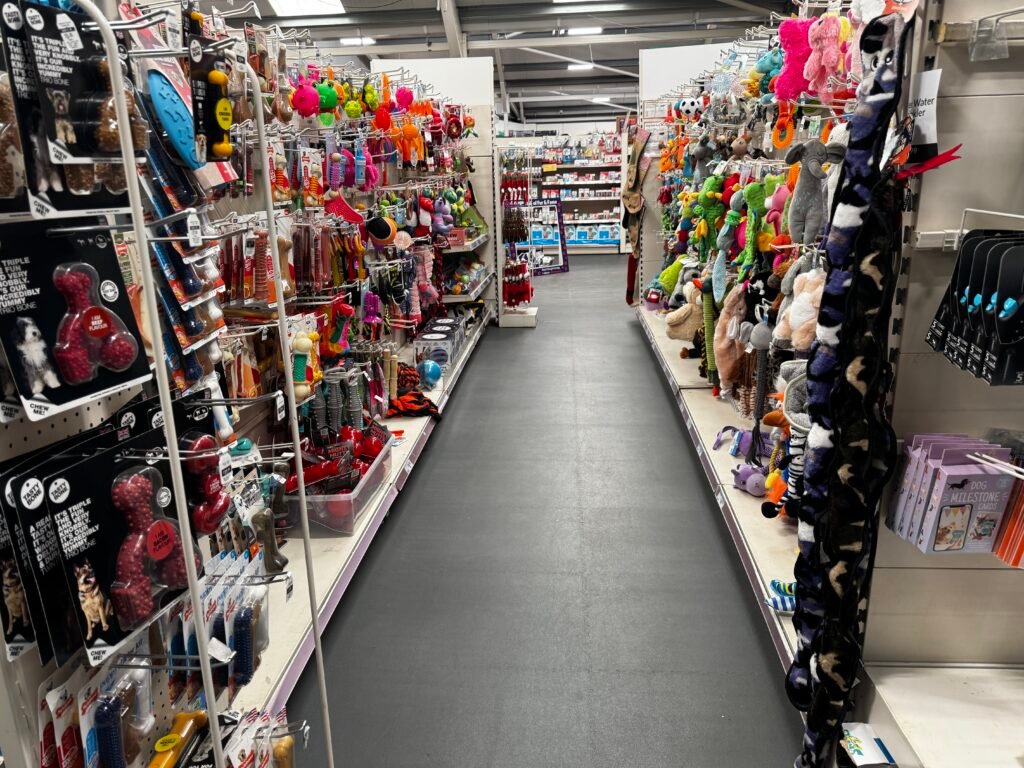
For a pet exporter, Waitrose & Partners is less a single channel than a continent-spanning distribution system — Approximately 329-330 shops across Great Britain and the Channel Islands, including around 65 “little Waitrose” convenience shops., a private-label architecture, and buying teams that reward suppliers who arrive audit-ready.
Waitrose & Partners: Scale, Format and Footprint
- Founded: 1904, as Waite, Rose & Taylor, a grocery shop in Acton, west London.
- Founders: Wallace Wyndham Waite, Arthur Rose and David Taylor.
- Headquarters: Doncastle Road, Bracknell, Berkshire, RG12 8YA, United Kingdom (John Lewis Partnership head office: 171 Victoria Street, London).
- Ownership: Subsidiary of the John Lewis Partnership, an employee-owned business.
- Scale / Revenue: Waitrose sales of about £7.7 billion in 2024, with trading operating profit of roughly £1.06 billion.
- Stores: Approximately 329-330 shops across Great Britain and the Channel Islands, including around 65 “little Waitrose” convenience shops.
- Workforce: About 36,000 employees in the Waitrose division (John Lewis Partnership total around 74,000 in 2024).
- Customers: Around 15 million shoppers; the myWaitrose loyalty scheme supports personalised value.
- Managing Director: Tom Denyard (Waitrose).
Everyday Low Price, Engineered
Waitrose runs a premium supermarket model anchored in high-quality own-brand ranges, ethical sourcing and strong service, complemented by the myWaitrose loyalty card, an online channel and a long-standing online grocery partnership (historically with Ocado and now via its own digital platform). Buying is centralised and brand-led, with a pronounced preference for own-label and exclusive lines and a rigorous technical and sustainability approval process. The employee-owned structure means the Partnership balances long-term customer trust and supplier relationships over short-term margin maximisation, which can favour stable, partnership-oriented suppliers.
For pet suppliers, Waitrose’s format favours premium pet food, natural treats, eco-friendly accessories and ethically sourced pet-care lines that match its “essential, responsible, quality” positioning. The convenience (“little Waitrose”) estate needs more compact, top-up SKUs, while the core supermarkets and online channel support a broader premium pet assortment. Because Waitrose customers trade up, suppliers of differentiated, sustainable pet products can command ranging and shelf space that discounters would not grant.
The Pet Aisle at Waitrose & Partners
Pet care fits Waitrose’s premium, own-brand and wellness positioning extremely well. The chain carries dog and cat food across own-label and premium tiers, treats, natural chews, litter, grooming and accessories, and it is well placed to list natural, grain-free, hypoallergenic and functional pet-nutrition lines. Waitrose’s “Duchy Organic” heritage and its broader organic and free-from credentials create a credible home for premium organic or biologically appropriate pet foods.
For exporters, the opportunity is to supply or co-develop premium own-label pet food and treats, natural and sustainable pet accessories (recycled or biodegradable materials), and differentiated wellness lines that resonate with Waitrose’s ethically minded shoppers. The online channel extends reach to time-poor, affluent pet owners who buy in larger, planned baskets — ideal for bulky or multi-buy pet formats. Suppliers who can tell a provenance and welfare story will outperform on ranging decisions.
Passing the Waitrose & Partners Gate
In operational terms, Waitrose and the John Lewis Partnership manage supplier relationships through a structured framework that combines a central technical approval process with the Partnership’s ethical and environmental standards, and new suppliers should expect a social-compliance audit plus detailed questioning on animal welfare, deforestation exposure and labour rights. The myWaitrose loyalty scheme gives the buyer rich shopper data, so suppliers who can support targeted, personalised pet promotions and who provide strong category insight tend to win ranging. Waitrose’s premium positioning also means packaging and presentation matter: recyclable, reduced-plastic and clearly labelled pet products fit both the customer expectation and the Partnership’s packaging targets, while the “Duchy Organic” heritage creates a credible home for organic or biologically appropriate pet foods. Suppliers should approach with finished, compliant, own-label-ready concepts and the capacity to service both the core supermarkets and the smaller “little Waitrose” convenience estate, recognising that the employee-owned model prizes long-term, transparent partnerships over short-term price wins.
Pet-food suppliers must comply with UK Feed Law and pet-food composition and labelling rules, hold APHA (or equivalent) registration where animal by-products are used, and be certified to BRCGS, IFS or FSSC 22000. Waitrose and the John Lewis Partnership are known for strict ethical and environmental supplier standards, including robust animal-welfare, deforestation-free and modern-slavery requirements, so suppliers should expect a social-compliance audit and detailed sustainability questioning.
Non-food pet items must meet UK GPSR, UK REACH and applicable safety and labelling rules, with English-language instructions and clear country-of-origin marking; recyclable or reduced packaging is strongly preferred given the Partnership’s packaging targets. Onboarding runs through the Waitrose technical and buying teams and the Partnership’s supplier framework, with full traceability, claim substantiation and a recall protocol required. MOQs are moderate-to-high for the supermarket estate but smaller for convenience; suppliers with credible sustainability credentials and the ability to support premium positioning will find Waitrose more accessible than its price-led competitors.
2024-2026: Scale Meets Change
In the year to January 2024, the John Lewis Partnership returned to profit, with Waitrose sales up about 5% to £7.7 billion and trading operating profit improving by roughly £170 million to £1.06 billion, delivering eight consecutive quarters of customer-number growth (shopper numbers rose about 8.1% to 15 million). The Partnership chose not to pay a staff bonus but invested a record sum in base pay, reinforcing its employee-owned model.
Going into 2025-2026, Waitrose has signalled a refreshed plan that includes opening new stores and modernising its brand and offer, while continuing to invest in technology, ranging and customer service. The premium grocer continues to win on quality and ethics rather than price, and its sustainability commitments (packaging, animal welfare, sourcing transparency) remain central. For pet suppliers, this means a buyer that prizes responsible, distinctive pet products and is willing to support premium ranges that align with its customers’ values.
A Realistic Entry Path
- Lead with premium and natural: Waitrose’s shoppers trade up; pitch natural, organic, functional or welfare-led pet lines.
- Emphasise sustainability: Recyclable packaging, ethical sourcing and animal-welfare credentials are decisive for ranging.
- Offer own-label co-development: A strong own-brand culture means exclusive/private-label pet concepts are welcome.
- Use the online channel: Bulky or multi-buy pet formats perform well with Waitrose’s planned, affluent online baskets.
- Build a partnership: The employee-owned model rewards stable, transparent, long-term supplier relationships over pure price.
— Scott Zhu, Founder, GlobalPetIndex
Sources & Related Reading
Related on GlobalPetIndex
- More Market Intel: Retail Channel
- Global Pet Brand Directory
- Tesco: UK Market Leadership and the Data-Driven Pet Gatekeeper
- Sainsbury’s: A High-Volume, Loyalty-Led UK Channel for Pet Suppliers
- Morrisons: A Vertically Integrated UK Grocery Buyer for Pet Suppliers
